Architecture Camps & Kids Day Off Programs

Holiday & Summer Camps for Creative Young Minds

arKIDect’s Architecture Camps & Kids Day Off Programs are designed for children who love to build, design, explore, and imagine.

During school holidays, summer breaks, and designated days off, kids step into a creative architectural environment where learning feels like play—and creativity leads the way.

These programs combine hands-on design, real architectural thinking, and guided creativity, all in a fun, supportive setting.

What Children Will Explore

Throughout the camp program, participants will:

  • Discover architecture through real-world examples and inspiring structures
  • Learn how buildings are imagined, planned, and designed
  • Explore space, form, scale, and materials
  • Design and develop their own architectural projects
  • Express ideas through drawing, models, and creative problem-solving
No two projects are ever the same—each child’s imagination shapes the outcome.

What’s Included in Camps & Kids Day Off Programs

  • Hands-on architecture and design projects
  • Interactive learning through drawing, modeling, and building
  • Guidance from architecture-focused educators
  • All materials provided during camp sessions
  • A creative, supportive, and inspiring environment
  • Small group settings to ensure individual attention

What Makes arKIDect Camps Unique

  • Our camps are not passive workshops or basic craft activities.
  • They are immersive architecture experiences led by professionals, designed to spark curiosity and confidence.
  • Children learn by doing, experimenting, and creating—individually and as part of a group.

Camp Formats & Timing

arKIDect offers flexible programs throughout the year, including:

Programs may run as:

Half-day or full-day sessions

Multi-day camps or single-day workshops

Specific dates and schedules vary by season.

Who These
Classes Are For

  • Children who enjoy building, designing, and hands-on creativity
  • Kids curious about architecture, engineering, or design
  • Students who thrive in interactive, project-based learning
  • Families looking for meaningful, creative alternatives during school breaks


No prior experience is required—just curiosity and imagination.

How to Join arKIDect Camps

  1. Check upcoming camp dates and availability
  2. Submit a registration or inquiry form
  3. Receive program details and confirmation
  4. Prepare for a creative, design-filled experience


Spots are limited, and camps fill quickly. Early registration is recommended.

Let's learn, design & play together

To enlist our classes please fill the necessary information below for us to contact you. If you have any questions, feel free to contact us.
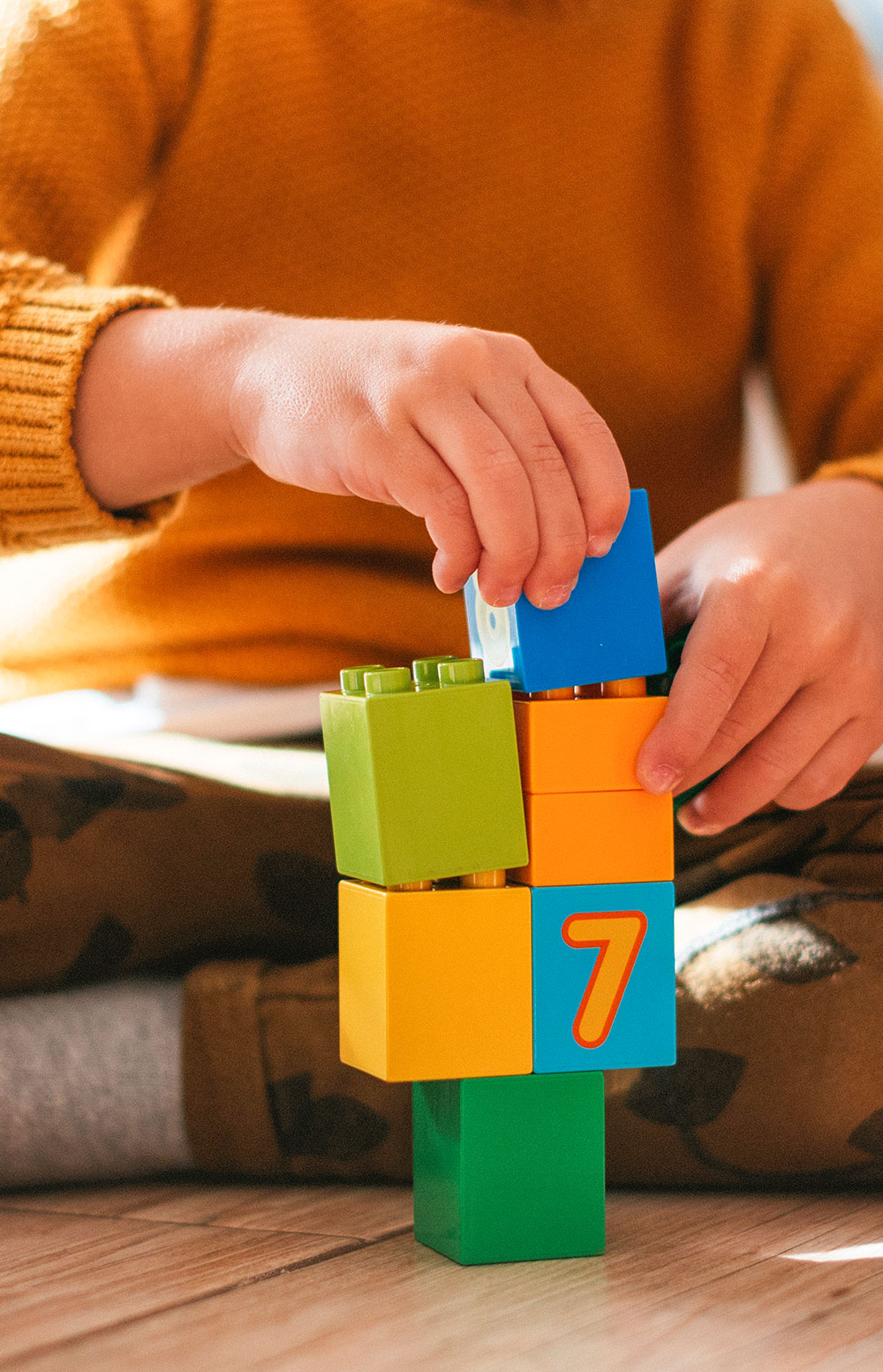
A Day at arKIDect Camp
Step by Step

Step 1 — Creative Warm-Up & Inspiration

Each day begins with visual inspiration and design challenges that introduce architectural ideas in a playful, accessible way.

Step 2 — Design & Hands-On Building

Children work on interactive projects using drawing, modeling, and construction-based activities that encourage experimentation.

Step 3 — Guided Exploration

Our instructors guide students through architectural thinking—asking questions, offering feedback, and encouraging creative choices.

Step 4 — Collaboration & Sharing

Kids share ideas, learn from each other, and build confidence through collaboration and presentation.

Step 5 — Reflection & Creative Growth

Each day ends with reflection and refinement, helping students understand their own creative process

Frequently Asked Questions (FAQ)

What age groups can join the camps?

Programs are typically designed for children ages 6–14, with activities adapted to different age groups.

Do kids need prior architecture or design experience?

No experience is required. All activities are beginner-friendly and guided step by step.

Are materials included?

Yes. All materials needed for camp activities are provided by arKIDect.

Are camps held online or in person?

Camps are primarily in-person, with select programs or workshops offered online depending on the season.

How many children are in each group?

Group sizes are kept small to ensure personalized attention and a supportive learning environment.