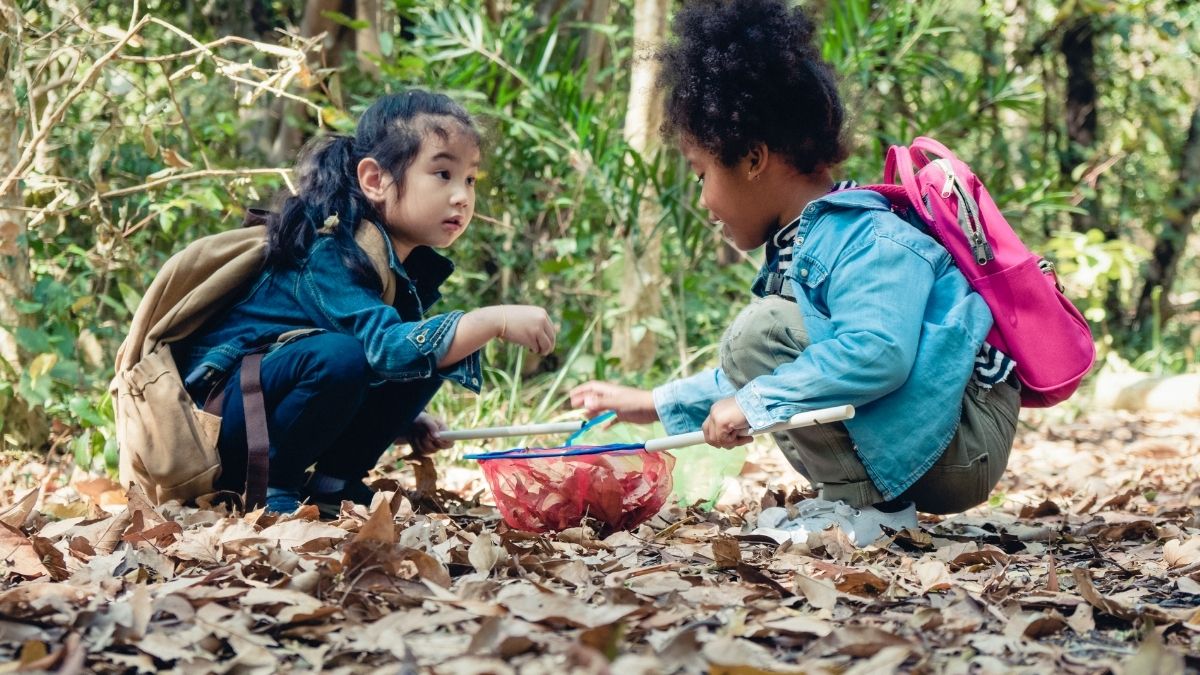
Many homeschooling educators and parents find it difficult to move beyond textbook-based learning to foster genuine critical thinking skills in children. The challenge often stems from a lack of practical frameworks that engage kids in active problem solving rather than passive content absorption. Without immersive experiences, it is hard to nurture the analytical and creative capacities children need as they grow. I have observed that without intentional design, even well-meaning education can become a cycle of memorization rather than thoughtful inquiry, an issue common in many homeschooling settings and classroom environments alike. For those seeking methods to develop critical thinking skills in children through design, resources like project-based learning approaches for homeschoolers offer valuable insights.
Understanding why traditional teaching methods often fall short can help educators and families craft more effective learning experiences. Design projects provide a hands-on, exploratory pathway that naturally encourages children to question, test, and improve their ideas. This method aligns well with how young people learn best — by doing, reflecting, and collaborating. Throughout my work with children, I see architecture education as an especially clear example of applying design thinking to build spatial and critical reasoning at an early age. These learning processes cannot be replaced by textbooks but need active participation and real-world challenges.
Key Points Worth Understanding
- Traditional textbooks typically promote recall instead of analytical thinking.
- Critical thinking develops through engagement with real problems over theoretical content.
- Design-based learning encourages children to experiment, reflect, and iterate.
- Homeschooling environments can benefit significantly from project-focused instruction.
- Supporting children with guided design experiences strengthens problem-solving and collaboration skills.
What difficulties do educators face when focusing on critical thinking in homeschooling?
Many educators and parents report a struggle to move away from conventional learning tools that rely heavily on reading and worksheets. Often, homeschooling resources emphasize strict curriculum progression without flexible activities that promote deeper thinking. This can lead to frustration among children who crave more interactive opportunities to test ideas and understand how knowledge applies beyond text. Additionally, educators may feel underprepared to facilitate design projects that integrate creative and cognitive development, lacking confidence in managing open-ended tasks long enough for meaningful insight to emerge.
Why reliance on textbooks limits skill development
Textbooks tend to break down knowledge into isolated facts and procedures. This structure encourages students to memorize rather than question or connect ideas critically. Students following textbook-driven instruction may excel in standardized tests but struggle when faced with open problems requiring imaginative solutions. In my experience, this approach leaves little room for children to take ownership of their learning or develop resilience through trial and error. Without varied experiences, critical thinking remains an abstract goal rather than a practiced habit.
Furthermore, textbooks rarely simulate the complexity and ambiguity present in real-world challenges. Without grappling with such uncertainties, learners miss out on developing flexible thinking skills essential for adapting to novel situations. Homeschool programs that depend mostly on these materials may unintentionally restrict opportunities for children to cultivate independence and curiosity simultaneously. Increasingly, families recognize that supplementary methods are necessary to balance content knowledge with applied thinking.
Challenges managing less structured learning approaches
Design projects, by their nature, involve open exploration that can be difficult to scaffold without clear guidelines. Educators not accustomed to facilitating these activities may feel uncertain about how to support children effectively. Managing time, resources, and expectations becomes more complex when outcomes are not predefined. Such ambiguity often leads to discomfort both for the adult and the learner, especially if assessment criteria or learning objectives seem vague.
Additionally, ensuring all children participate meaningfully in design tasks can be demanding. Group dynamics and individual differences in skill or confidence require nuanced attention. My experience working with children shows that without thoughtful planning, some kids dominate creative decisions while others hesitate to express themselves. Establishing a structured yet flexible environment that encourages risk-taking and reflection is essential but not always intuitive for those trained primarily in traditional education methods.
Common misconceptions about critical thinking in kids
A widespread belief is that critical thinking is a skill reserved for older students or adults. Many expect it to develop naturally over time or through indirect exposure to challenging content. This view overlooks the earlier stages of cognitive development that can be influenced positively with appropriate experiences. Young learners benefit greatly from guided practices that encourage analysis and evaluation within meaningful contexts.
Another misconception is equating critical thinking with simply finding the right answers. Instead, it involves considering multiple perspectives, testing ideas, and understanding reasoning processes. When children engage in design projects, they learn to value exploration and iteration as part of thinking critically. As Gökçe Saygın, I believe that starting this practice early through design challenges builds a durable foundation for complex problem-solving later.
Why does this difficulty in fostering critical thinking persist?
The persistence of these difficulties lies partly in educational traditions that prioritize measurable content over process-oriented skills. Another factor is the limited accessibility to resources that facilitate well-designed project-based learning. Without clear examples or training, educators may revert to safer, more familiar textbook approaches. The lack of community or support networks for homeschooling parents intensifies this isolate experience. For those interested, exploring how children develop the creative process provides additional context on nurturing these skills through sequential design activities (mastering the creative process in kids).
Systemic emphasis on standardized knowledge
Standardized education systems often guide homeschooling curricula, setting expectations around content coverage rather than how students engage with ideas. This focus can crowd out time and energy for exploratory projects even when families want to include them. Risk-averse approaches to curriculum leave less room for ambiguity and experimentation, which are critical to skill-building. Changing established norms requires deliberate effort and alternative perspectives on what valuable learning looks like.
Moreover, assessment models typically reward correct answers and silent reflection rather than active inquiry. This measurement bias discourages parents and tutors from adopting more dynamic pedagogies despite their recognized benefits. As a result, supporting resources aligned with assessment expectations proliferate, while those encouraging design and critical thinking remain less visible.
Limited guidance and training for educators
Many homeschooling parents and educators do not have formal training in facilitating design-based or inquiry-driven learning. Professional development opportunities focused on these methods are less common compared to traditional teaching skills. Without access to practical tools, instructional models, and community feedback, parents may hesitate to experiment with innovative approaches. This gap in expertise presents a barrier that prevents more widespread adoption.
In addition to knowledge of methods, there is a need for confidence in managing group dynamics and student autonomy. Encouraging children to navigate challenges independently while providing appropriate guidance requires balance. My experience coaching educators shows that targeted support and modeling of facilitation techniques greatly improves outcomes when integrating design thinking into curricula.
Resource constraints and environmental factors
Engaging in hands-on design projects demands space, materials, and time that families may find challenging to organize. Urban settings with limited room or busy schedules can reduce opportunities for sustained creative work. Additionally, financial costs of specialized supplies or tools may be prohibitive for some households. These practical limitations influence decisions about curriculum design and often lead to reliance on ready-to-use textbooks.
Environmental distractions and competing responsibilities further complicate implementing project-based activities in home settings. Parents balancing work and teaching roles may prioritize efficient content delivery over exploratory learning processes. Understanding these contextual realities is essential when recommending realistic solutions that fit diverse homeschooling situations.
What are some examples of effective solutions to encourage critical thinking using design?
Practical solutions involve structuring learning around meaningful projects that require children to identify problems, research, plan, create, and reflect. Incorporating architecture-inspired tasks is one example that blends creativity with spatial reasoning and problem-solving. I find that children especially benefit when scaffolded to develop iterative thinking through trial, adjustment, and discussion. Programs merging design challenges with guided questioning help learners make sense of their process and outcomes.
Utilizing open-ended design challenges
Design tasks that leave room for multiple solutions prompt children to evaluate options and justify choices. For instance, asking kids to design sustainable homes encourages them to consider variables such as environment, materials, and function. This freedom builds ownership and critical analysis since there is no single correct answer. In practice, I have seen children weigh advantages and drawbacks when designing model buildings, thereby honing decision-making skills in an authentic context.
Moreover, integrating real-world constraints into projects exposes learners to complexity. Balancing budget limits or client needs adds layers to the thinking process beyond simple creative expression. This approach mimics professional design workflows and prepares children for future challenges. Parents and educators can adapt tasks according to age and interest to maintain engagement while fostering higher-order thinking.
Guiding reflection and iteration
After initial design efforts, prompting children to reflect on results and consider improvements reinforces critical evaluation. Questions like “What worked well?” and “What would you change?” encourage metacognition. Children learn to appreciate that failure and revision are natural and valuable parts of creation. Facilitating group discussions where peers provide feedback enhances communication and social reasoning skills as well.
This reflection phase can be supported by journals, sketches, or presentations documenting the process. Over time, learners build a habit of self-assessment that transfers beyond design activities. In my experience, strengthening this feedback loop is key to deepening critical thinking and ownership of learning progress.
Combining design with interdisciplinary learning
Linking design projects with subjects like math, science, and social studies broadens the relevance and application of critical thinking. Calculating areas for floor plans introduces spatial measurements while researching cultural aspects of architecture connects history and community. This interdisciplinary strategy contextualizes knowledge and demonstrates how different domains interact in practice.
By framing design as a central theme, homeschooling educators can integrate diverse skills within engaging projects. Children see the usefulness of what they learn and are motivated to explore connections independently. As Gökçe Saygın, I see architecture education as a uniquely rich framework for this type of cross-disciplinary growth that promotes flexible thought and curiosity.

What can homeschooling parents and educators do to implement these solutions?
Starting with small, manageable design projects is important to build familiarity and confidence. Parents might begin by encouraging children to redesign their bedroom layout or create a simple model of a dream house using household materials. Gradually increasing complexity allows for gradual skill development without overwhelming the learner or instructor. Supplementing projects with appropriate resources and examples increases clarity and motivation.
Planning and scaffolding design experiences
Effective design projects have clear but flexible goals and well-defined steps. Breaking down tasks such as research, sketching, model building, and presentation helps children focus and organize efforts. Providing prompts, checklists, or graphic organizers can support independent progress while maintaining structure. I recommend incorporating checkpoints where parents and children review progress together to adjust plans as needed.
Parents can tailor the scope of projects depending on their child’s age and interests. Keeping sessions concise and focused avoids frustration and energy drain. Over time, learners become comfortable with the design process and demonstrate greater persistence and creativity.
Accessing quality instructional support and materials
Utilizing curricula, online tutorials, and community groups focused on design education enriches homeschooling practices. Resources oriented towards children’s architecture and design activities provide models and inspiration that save preparation time. Additionally, connecting with other homeschooling families or educators who use project-based approaches facilitates sharing tips and encouragement.
When needed, professional guidance offers insights on adapting design challenges to various skill levels and managing group interactions if multiple children learn together. For anyone seeking personalized support, contacting programs that specialize in architecture education can be a valuable step (connect with architecture education specialists).
Encouraging a culture of inquiry and experimentation
Fostering an environment where questioning, exploring, and trial are valued is essential. Parents can model curiosity and openness by asking their own questions and allowing children to lead investigations. Celebrating process achievements rather than focusing only on final products builds confidence to approach challenging tasks.
Design projects offer an ideal context to normalize learning from mistakes and trying alternative solutions. This mindset supports the development of critical thinking and resilience that extends beyond academics. I have witnessed how children thrive in supportive settings where creativity and thoughtful reflection are routinely encouraged.
How can professional guidance improve design-based learning outcomes?
Professionals skilled in design education can provide methods, structure, and feedback that accelerate learning beyond trial-and-error attempts. Their experience integrating design thinking into curricula reduces uncertainty for parents and educators. They can offer tailored recommendations for project complexity and pedagogical techniques that suit different learners. Engaging with experts often leads to more meaningful and sustained development of critical thinking skills.
Customizing learning pathways for individual needs
Specialists can assess a child’s interests, strengths, and challenges to suggest appropriate design tasks that balance support and autonomy. This personalization fosters engagement and addresses unique obstacles. Professionals know how to sequence activities to build foundational skills progressively, ensuring that children do not become discouraged by difficult concepts too early.
Furthermore, expert guidance can introduce advanced concepts in digestible ways, inspiring learners to push boundaries while maintaining confidence. Such tailored pacing enhances mastery and satisfaction throughout the learning journey.
Providing hands-on training and mentoring for educators
Educators and parents new to design-based learning benefit from coaching that builds facilitation skills and confidence. Training sessions can demonstrate effective questioning, feedback methods, and classroom management techniques specific to project work. Mentoring relationships create safe spaces to discuss challenges and reflect on instructional practices, leading to continuous improvement.
This professional development equips educators with tools to engage students more deeply and foster richer learning experiences. Over time, this investment translates into sustained improvements in children’s critical thinking and creativity.
Connecting learners to wider communities and resources
Experts often provide access to networks and platforms that offer additional challenges, materials, and collaborative opportunities. Being part of communities encourages motivation and exposes learners to diverse perspectives and projects. This social dimension enhances critical thinking by presenting new problems and best practices.
Professional organizations also curate quality content and updates on pedagogical research that inform homeschooling strategies. As Gökçe Saygın, I believe that partnerships with specialized programs expand possibilities for thoughtful, effective design education beyond what parents can accomplish alone.
Those interested in exploring project-based learning rooted in design thinking may find this resource on heart of a modern homeschool curriculum particularly useful. Integrating structured creativity into homeschooling supports deep learning while cultivating critical thinking and problem-solving abilities.
Frequently Asked Questions
How early can children start learning critical thinking through design?
Children can begin engaging in basic design activities as early as preschool age, with tasks adapted to their developmental level. Simple building and drawing exercises that encourage exploration and explanation help lay early critical thinking foundations.
What materials do I need for design projects at home?
Basic supplies like paper, pencils, cardboard, glue, and recycled materials are usually sufficient. As projects advance, additional items such as rulers, modeling clay, or craft tools can enhance experiences without requiring costly investments.
How do I balance design projects with academic requirements?
Design projects can be integrated with academic subjects such as math, science, and language arts. Planning interdisciplinary projects helps cover required content while fostering hands-on critical thinking skills.
Can design-based learning help children with different learning styles?
Yes. Design projects appeal to visual, kinesthetic, and collaborative learners by combining physical activity, creativity, and social interaction. This inclusive approach often engages children who struggle with traditional learning methods.
Where can I find expert support for implementing design education?
Local or online programs specializing in architecture and design education for children offer workshops, classes, and consulting services. Connecting with such professionals provides tailored guidance and resources to support homeschooling efforts effectively.