Many aspiring young learners and their families face the challenge of understanding how to start on the path to becoming an architect. The professional field requires a combination of education, experience, and skills development that can feel complex and distant to children and parents just beginning to explore design. Without clear guidance, it is easy to feel overwhelmed or unsure about what steps matter most early on. This uncertainty is compounded by the fact that architecture involves not only creativity but also technical understanding and long-term commitment.
Clarity about the journey and practical actions helps to make becoming an architect more accessible to kids of any age. This article breaks down the common obstacles faced by those interested in architecture and provides a straightforward, kid-friendly roadmap. Through this, families and educators can better support young learners curious about architecture as a career and as a way of thinking about the world.
Key Points Worth Understanding
- Architecture combines creative design skills with technical knowledge, requiring gradual learning over years.
- Starting architecture learning early builds foundational skills but beginning at any age is possible with the right approach.
- Real-world experience and mentorship are essential parts of traditional architectural training.
- Hands-on activities and project-based learning make architecture more accessible and engaging for kids.
- Professional guidance from educators familiar with architecture learning greatly supports a child’s journey.
What challenges do kids and families commonly face when exploring architecture?
One frequent challenge is the overwhelming scope of information about becoming an architect. Families often find it difficult to access child-friendly explanations of the education and skills required. Additionally, children may struggle with connecting everyday creativity to the more technical demands of architecture. Locally in Miami, options for hands-on architecture learning are limited, which can hinder early engagement with the field. Finding programs that blend creativity with practical architecture skills can be particularly challenging.
Why do kids get confused about architectural careers early on?
Architecture is a multifaceted profession, and its pathway is not often presented in simple terms accessible to children. Abstract concepts like design thinking, spatial awareness, and structural understanding can feel disconnected from what children experience daily. The lack of visible role models and tangible activities further complicates understanding how to become an architect. This disconnect makes it harder for young learners to see architecture as an attainable goal rather than a distant profession.
In my experience working with children, breaking down these abstract ideas into fun, hands-on projects helps them grasp architecture basics more naturally. When kids build models or explore local buildings, they start relating practical steps to creative thinking, bridging the gap between theory and experience.
What obstacles do parents face in supporting an interest in architecture?
Parents often find themselves unsure about how to encourage architectural interests without formal training themselves. Without clear guidelines or resources, it’s difficult to know where children should begin or how to balance creative exploration with developing technical skills. Many parents worry about choosing activities that are age-appropriate yet meaningful in building a foundation for architecture. This uncertainty makes it challenging to select programs that truly prepare kids for later formal learning paths.
From what I observe in local education environments, parents benefit greatly from programs that offer structured yet playful learning experiences. These programs provide the scaffolding needed to nurture architectural interests while connecting to broader creative and STEM skills.
Why do opportunities for early architecture learning remain limited?
Educational offerings that integrate architecture concepts for children are still relatively scarce, especially those that combine creativity with real design processes. Schools and community programs often lack specialized instructors or resources to teach architecture effectively. Additionally, architectural training is traditionally geared toward older students and adults, creating a gap for younger age groups. This limited access can delay skill development necessary for success in architectural careers.
Programs based in Miami are improving access, but many families must seek out niche afterschool or summer options to expose their children to architecture concepts. Encouraging more diverse, accessible architecture education early on would address this persistent gap.

What makes challenges in architecture education for kids persist over time?
Architecture is a demanding field combining art, science, and social responsibility, which requires comprehensive education and consistent skill-building. The complexity of these demands means that few educational resources are designed specifically for children. Furthermore, the long timeline to becoming a licensed architect can discourage early investment in learning. Without visible, achievable milestones, families and children may struggle to maintain engagement over the years necessary to succeed.
How does the traditional architectural training model impact early learners?
Becoming an architect typically involves attending an accredited college program, completing internships, and passing licensing exams. These steps are oriented toward adults and higher education, leaving younger learners with little guidance on how to prepare early. The formal model does not often include pathways to build foundational skills in spatial reasoning or design thinking at younger ages. This gap results in missed opportunities to cultivate interest and abilities before formal schooling.
From my perspective as an educator, supplementing traditional pathways with hands-on projects and creative exploration helps children develop relevant skills organically. This approach lays groundwork before formal education begins, making later steps more feasible.
Why is it difficult to sustain interest in architecture long term?
The extended process to qualification can sometimes cause waning enthusiasm among young learners. Without early experiences that connect learning to real-world creativity and problem solving, children might lose sight of architecture as enjoyable or achievable. Additionally, external factors such as limited local role models or peer interest affect motivation. Sustained engagement depends on meaningful project work and collaborative learning opportunities to keep children invested.
Professional guidance that includes portfolios, presentations, and peer feedback encourages persistence. I have seen that children who experience group critiques and project sharing build confidence to continue studying architecture.
What social and educational factors contribute to ongoing challenges?
Architecture education often requires collaboration, communication, and critical thinking, skills that traditionally develop over time and with support. Education systems that narrowly emphasize standardized testing leave less room for creative and spatial skill development. Social environments that do not value or understand architecture may discourage children from pursuing it. Without positive reinforcement from family, peers, and instructors, young learners can find it hard to stay motivated.
In my work, fostering a supportive community around architectural learning helps children feel valued and understood. This social encouragement is critical for overcoming educational barriers.
What practical steps can children and families take to pursue architecture?
Introducing architecture through playful, project-based learning is an effective approach for children of any age. Simple activities like building models, sketching spaces, or exploring local buildings develop core skills in design and spatial reasoning. Families can also encourage curiosity about the built environment by visiting architectural sites tailored for kids. Connecting creativity to real-world contexts demystifies architecture and builds confidence.
How can hands-on activities build foundational architecture skills?
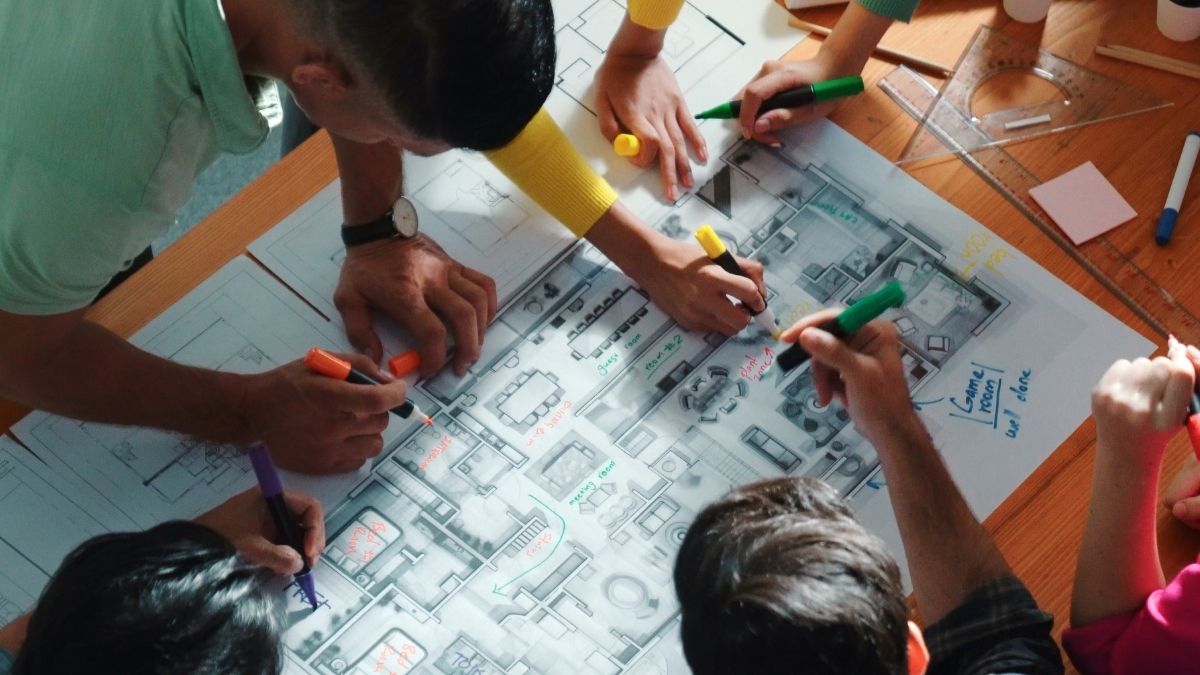
Engaging children in making physical models with simple materials helps develop measurement, proportion, and problem-solving. These projects translate abstract ideas into concrete experiences children can relate to. For example, building a small shelter or designing a simple floor plan teaches concepts that architects use daily. This direct involvement nurtures both creativity and technical understanding simultaneously.
Based on what I observe in learning environments, these activities shape a positive attitude toward architectural challenges early on. They also introduce children to the design process in a way that feels accessible and enjoyable.
What role do mentors and educators play in guiding young architects?
Adults familiar with architectural concepts can provide valuable feedback, introduce relevant vocabulary, and help children articulate their ideas. Mentors can guide learners through more complex projects, connecting their interests to broader design principles. Educators also help structure exploration so that children build skills progressively and feel a sense of accomplishment. This support eventually prepares youngsters for formal education stages.
In my experience, consistent adult guidance that respects a child’s pace and curiosities makes architecture learning more sustainable and rewarding. Mentors inspire by modeling how design thinking applies beyond school projects.
How does exploring local architecture support early learning?
Observing and discussing nearby buildings, parks, and public spaces invites children to connect with architecture in their immediate environment. In Miami, families can find places that showcase diverse styles and cultural influences. These visits spark questions and observations that become the foundation of design thinking. Seeing architecture as part of everyday life encourages continuous learning and exploration.
For example, the best architecture spots in Miami for kids highlight locations rich with educational value. These experiences anchor abstract concepts in tangible observations.
What are realistic actions to help children start learning architecture today?
Choosing age-appropriate programs that emphasize creativity, collaboration, and hands-on learning is crucial. Families should seek out afterschool or summer programs that blend technical skills with playful exploration. Encouraging children to share their designs and explain their ideas fosters communication skills integral to architecture. Additionally, parents can support their child by providing materials and time for experimentation at home.
How do specialized programs support skill development?
Programs designed for children expose participants to design tools, model-making, and creative problem-solving within a guided framework. These programs often include group critiques and presentations, which help children build confidence and refine their work. The structured environment balances freedom with discipline, setting a foundation for more advanced study. For example, afterschool programs in Miami focus on hands-on activities relevant to architectural thinking.
From my professional perspective, programs like these provide the essential structure to sustain interest and develop competencies over time. They bridge informal learning with formal architectural education requirements.
Why should parents encourage design communication skills?
Architects must clearly explain their ideas to clients, builders, and teams. Learning to describe design choices and processes helps children organize their thoughts and receive constructive feedback. Activities such as group presentations or storytelling about projects build these communication skills. Early practice in articulating ideas translates to success in later academic and professional settings.
I have found that children who regularly discuss their creative process become more comfortable with critique and iterative improvement, which is critical in architecture.
How can families provide ongoing support at home?
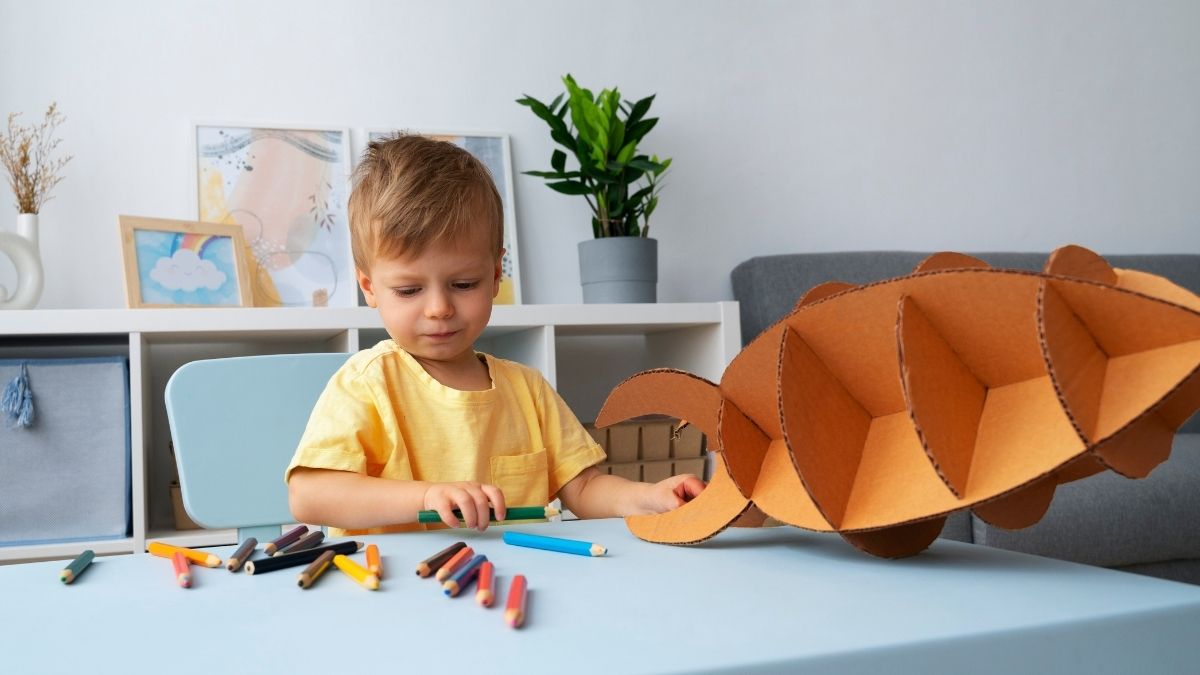
Parents can support their child’s architectural interests by offering materials like cardboard, drawing tools, or simple software for model making. Setting aside uninterrupted time for exploration without judgment encourages risk-taking and discovery. Showing genuine interest by asking questions about projects reinforces the child’s dedication. Families can also facilitate connections with local architecture activities or educators when possible.
In practice, a home environment that values creativity and problem-solving helps children internalize architectural thinking as part of their daily life and future education.
How can professional guidance enhance a child’s pathway to becoming an architect?
Guidance by educators experienced in architecture education helps children navigate the complexities of learning design skills in a way suited to their age and interests. Professionals can recommend relevant resources, monitor progress, and adapt challenges to maintain engagement. They also prepare children for transition points such as portfolio development or application to specialized schools. Expert instruction ensures that children build confidence in both creativity and technical areas.
What role do portfolio and presentation skills play?
Creating a portfolio of work helps children visualize their progress and organize their best projects. Presentation skills teach them how to share their ideas succinctly and confidently with others. Both are essential for admission to competitive programs and eventual professional practice. Educators guide kids in selecting and refining portfolio pieces that effectively demonstrate their thinking and skills.
At arKIDect, for example, we emphasize model-making and explaining the design process to prepare children for interviews and reviews. This focus builds a strong foundation for future academic opportunities.
How does mentorship from professionals benefit young learners?
Mentors provide insights into the profession, share experiences, and tailor learning to individual needs. They also introduce children to career possibilities and academic paths that may not be widely known. Regular interaction with a professional mentor can inspire persistence and clarify realistic expectations. Mentorship fosters a sense of belonging to the architectural community early on.
From my experience, mentorship bridges the gap between classroom learning and real-world architectural practice, making the career path more tangible for children.
In what ways can local architecture programs support families?
Local programs offer accessible opportunities for children to try design projects with expert supervision and peer collaboration. These programs often include site visits, hands-on workshops, and exposure to tools and materials typical in architectural practice. They can adapt to various age groups and skill levels, providing a continuum of learning experiences. Families benefit from structured guidance that complements informal learning at home.
For families in Miami, connecting with community architecture learning programs provides a practical way to deepen a child’s engagement beyond casual interest. Resources like guidance on optimal starting ages for architecture programs can be particularly helpful in timing enrollment decisions.
For more personalized advice on supporting a child’s journey to architecture, families can reach out directly to experienced educators through the arKIDect contact page.
Frequently Asked Questions
What age groups does arKIDect serve for architecture learning?
arKIDect offers programs designed for children as young as six and up through early teens. The curriculum is tailored to different developmental stages, ensuring that younger learners receive age-appropriate activities while older students engage with more complex design challenges. This broad age range supports children starting architecture education at various points.
Are your architecture classes suitable for beginners with no prior experience?
Yes, arKIDect classes are designed to welcome beginners, focusing on building foundational skills in design thinking, spatial reasoning, and hands-on model making. The programs gradually introduce new concepts and provide support to help newcomers feel confident and engaged throughout their learning process.
Where are arKIDect architecture programs located in Miami?
arKIDect offers in-person architecture learning experiences primarily in Miami and nearby areas such as Sunny Isles Beach. The programs are hosted in settings that encourage creativity and collaboration, designed to maximize engagement with architectural concepts in a local context.
Do arKIDect classes include digital tools along with physical modeling?
Many programs at arKIDect integrate both hands-on building and introduction to digital design tools appropriate for children. This blended approach supports developing digital literacy alongside traditional spatial and creative skills, aligning with contemporary architectural practice standards.
How can I enroll my child in arKIDect’s architecture classes?
Enrollment information, including class schedules and trial options, is available through the arKIDect website. Families can contact arKIDect educators directly to discuss the best program fit for their child’s age and interests and to ask about upcoming sessions in the Miami area.