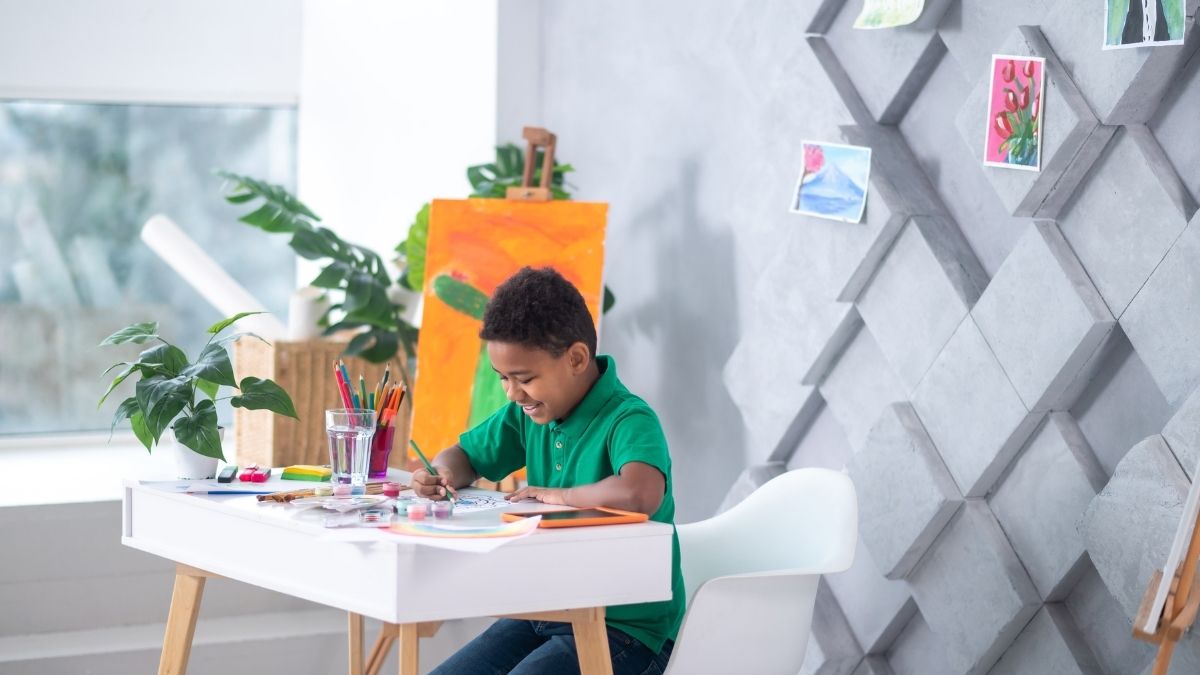
Professionals managing creative teams often highlight the difficulty of maintaining focus and inspiration in environments not suited to diverse workflows. When it comes to children, especially those aged 6 to 12, these challenges multiply because their learning requires space not just for materials but for movement and exploration. In many cases, a lack of an appropriate creative workspace at home can lead to frustration, distracted learning, and missed opportunities for hands-on problem solving. Establishing a conducive environment is a concern that resonates with families looking for practical, manageable solutions that support child development across multiple areas. This is particularly relevant for Miami families where space might be limited and the climate invites indoor and outdoor learning options.
Understanding why these obstacles persist helps inform effective interventions. Often, homes are optimized for adult use and overlook the needs of young, active learners who benefit greatly from an environment promoting design thinking and experimentation. A creative workspace for kids at home ages 6-12 should balance structure and flexibility to encourage exploration without overwhelming sensory inputs. From my experience working with children, I think these environments enable not just creativity but also critical spatial reasoning and collaboration skills essential in design education. This article explores the challenges families face, the reasons behind these issues, practical strategies to develop functional workspaces, realistic actions to implement them, and how professional guidance can provide useful support in the process.
Key Points Worth Understanding
- Creating a creative workspace requires consideration of both physical space and the child’s learning needs.
- Common difficulties include limited space, lack of organized materials, and distractions at home.
- Solutions focus on adaptable furniture, dedicated zones for activities, and accessible supplies.
- Practical steps involve decluttering, defining boundaries, and establishing routine usage of the space.
- Professional advice can help tailor environments to enhance hands-on learning and personal expression.
What are the common challenges parents face in setting up creative spaces for children at home?
One of the primary problems parents encounter is the limited availability of a dedicated area for creative activities. Many homes, especially in urban environments like Miami, may not have extra rooms or large open spaces, making it difficult to allocate a permanent workspace. This spatial constraint often leads to creative activities being relegated to dining tables or multi-use rooms where distractions abound. Additionally, parents may struggle with organizing art, craft, and building materials in a way that children can access independently but also keep neat and orderly.
How does limited physical space affect children’s creative engagement?
Children benefit from having a clear, consistent area where they can set up projects and leave them in-progress without interruption. When space is limited or fragmented, young learners may feel rushed or discouraged to begin activities because they cannot see a place to work comfortably. For example, a child who needs to build a cardboard model might not find it practical to assemble pieces in a crowded living room that must be tidied frequently for other daily uses. This lack of permanence reduces opportunities for sustained focus and deep engagement with hands-on tasks.
Moreover, when creative zones are squeezed into communal spaces like kitchens or bedrooms, competing household activities can interfere with concentration. Noisy environments or frequent interruptions may challenge children’s ability to follow through on multi-step projects. These conditions highlight how physical constraints directly influence the quality of the creative experience at home.
What organizing challenges limit the productivity of home creative workspaces?
Without a clear system to store and sort materials, both parents and children can become overwhelmed by clutter. Art supplies, building blocks, tools, and paper often accumulate in baskets or drawers that aren’t properly labeled or arranged. This disorganization makes it difficult for children to find needed items quickly, diminishing their sense of autonomy and motivation. Parents may also face frustration when cleanup becomes a chaotic, time-consuming effort rather than a smooth transition between activities.
Organizing challenges also affect how children learn to value their work and materials. If projects are repeatedly dismantled or lose components due to poor storage, children can feel their efforts are not respected or worth continuing. This underscores the importance of integrating practical storage solutions into creative workspace planning to maintain order and encourage ongoing exploration.
How do distractions and lack of boundaries impact creative work at home?
Creating a clear boundary between spaces intended for creativity and other functions within the home can be difficult. Children aged 6 to 12 need a transition from passive entertainment, such as screen time, to active creation. Without distinct cues or physical separation, they may find it hard to shift mental gears or settle into creative tasks. For instance, using the same area for watching TV and hands-on building can confuse routines and reduce the focus needed for design thinking.
Additionally, environmental distractions such as household noise, visitors, or pet activity can interrupt the concentration required for detailed work. This is often compounded by the lack of rules or schedules dedicating certain periods exclusively for creative activities. Establishing boundaries both in space and time helps children understand the importance and structure of their creative practice.
Why do these challenges tend to persist in home settings without intervention?
These challenges remain because everyday household priorities often take precedence over dedicated creative learning environments. Parents balance multiple responsibilities within sometimes tight living quarters, where functionality for adults dominates. Without intentional planning, creative needs can be overlooked or sacrificed to accommodate family routines and physical limitations. Furthermore, many adults underestimate how significantly an environment tailored to children’s developmental stages can influence engagement and learning outcomes.
Another reason these issues persist is the absence of clear guidelines or role models demonstrating how to establish effective creative spaces at home. Families may encounter frustration trying trial-and-error approaches with furniture, materials, or layouts that do not meet their child’s evolving interests or needs. Without external support or professional insight, these cycles of adjustment may continue without achieving lasting improvement.
How do household priorities compete with creative space needs?
Homes serve multiple purposes—rest, work, socializing—which can shift focus away from a child’s creative zone. Adults typically prioritize storage for household essentials, comfort, and technology setup, unintentionally impinging on areas children might claim for projects. In smaller homes, this competition is more apparent as every square foot is maximized for daily life necessities. This practical necessity sometimes leaves no room for flexible or permanent craft areas, leading families to adapt multipurpose surfaces that do not fully support creative flow.
Moreover, the time and energy required to establish and maintain a creative space may seem overwhelming to busy parents who lack experience with child-centered design. Consequently, creative work areas may be temporary or inconsistently used, missing the continuity needed for developing complex skills and sustained interest.
Why might adults underestimate the importance of a creative workspace?
Adults often view creative activities as secondary to core academic or household tasks, which leads to minimal investment in environmental adaptations. Some parents might assume children can create anywhere or that portable materials compensate for lack of dedicated space. This can unintentionally downplay the significance of spatial organization and sensory considerations that adults understand better through their professional or personal experience working environments.
Lacking awareness about how physical surroundings affect cognitive processes, many do not consider creative spaces as integral to learning. For example, without appreciating how spatial boundaries support executive function in children, parents might not see the benefit of labeling zones or providing visual cues. Raising awareness about these developmental connections remains an important step to overcoming this barrier.
How does limited knowledge affect the persistence of these problems?
Without access to practical advice grounded in child development and design education, families often piece together partial solutions that do not address core issues. Many online sources focus on aesthetics or storage products without situating these choices in the context of hands-on learning approaches. Parents and educators may struggle to find resources that explain why certain arrangements enhance focus, autonomy, and creativity specifically for ages 6 to 12.
Additionally, the variability in children’s interests and stages of growth means what works initially may not remain effective, leading to cycles of trial without sustainable results. This lack of structured guidance can discourage consistency, as families find it difficult to predict and adapt to changing creative needs over time.
What does a practical creative workspace for kids look like?
A practical creative workspace for children incorporates flexibility, accessibility, and organization tailored to their developmental level and learning style. It involves clearly defined zones for different activities such as drawing, building, and collaborative projects. Materials should be visible and reachable to empower independence, while the environment minimizes distractions and sensory overload. The workspace need not be large but must reflect purposeful design choices that encourage sustained engagement.
How can flexible furniture and layout support creativity?
Furniture that adjusts or serves multiple purposes offers adaptability as children grow and interests evolve. For example, tables at child-friendly heights that can be easily rearranged foster different modes of work, from solo sketching to group model-building. Storage units on wheels or modular shelves allow families to maximize limited spaces efficiently and reconfigure areas depending on current projects.
Including seating options such as stools or cushions supports comfort and choice, while open floor space can be reserved for larger construction or tactile activities. These elements create an environment responsive to changing needs without requiring permanent renovations. Families can also incorporate outdoor areas nearby for messy or large-scale work when climate and space permit.
What role does material organization play in functionality?
Organizing supplies with clear labeling and grouping by type (paints, papers, adhesives, tools) simplifies cleanup and retrieval, reducing frustration for children and adults alike. Using transparent containers and low shelves allows kids to spot items quickly, facilitating independence during projects. Dedicated spots for finished work or inspiration boards help reinforce a sense of ownership and pride in their creative process.
Routine maintenance and involving children in organizing can strengthen their executive functioning skills and responsibility. When children understand where things belong and have easy access, they are more likely to engage repeatedly and with intention. Organized materials also make it easier for parents to support without needing to manage every step actively.
How can minimizing distractions improve the creative experience?
Locating the workspace away from noisy or high-traffic areas helps children focus on creative tasks. Using room dividers, rugs, or shelving to create physical boundaries signals transition into an active learning zone. Natural light and adequate ventilation enhance comfort and mood, contributing positively to productivity.
Some families find that setting specific times for creative activities reduces competing demands and strengthens routine. Creating simple rules such as ‘workspace use only for creation’ can establish habits supporting deeper focus. These measures combine environmental design with behavioral strategies to optimize creative engagement.
What are realistic first steps parents and educators can take to build these spaces?
Starting small with decluttering and identifying a consistent location for artistic and building materials is often the most effective first step. Even a corner of a room with a small table and organized supplies can transform how children approach creative work. Prioritizing accessibility and ease of cleanup at this stage lays the foundation for expanding the space later based on usage and interest.
How can decluttering help prepare an effective workspace?
Removing unused or broken items from the intended area reduces noise and physical barriers that interfere with creativity. Simplifying the available materials also directs children to focus on meaningful options rather than becoming overwhelmed by choices. Parents can involve children in selecting favorite tools and keeping only materials that inspire current projects. This process builds intentionality in both space and time management.
For example, clearing a drawer or bin for art supplies within easy reach signals a new dedicated spot, encouraging independent use. Over time, this area can be personalized with child-made labels or decorations to reinforce engagement and ownership.
What are simple ways to define boundaries in shared environments?
Visual markers such as colorful mats, a bookshelf divider, or a fabric curtain can designate creative zones within larger rooms. Even taping off a section of floor space can give children a clear area to work within. Portable or foldable screens provide flexible separation that can be stored when not in use.
Establishing a regular schedule for using the creative area supports mental boundaries, signaling to the child and family when the space is ‘active’ for hands-on learning. Parents can also designate cleanup responsibilities post-activity to prevent clutter buildup and maintain a positive cycle.
What materials or furniture should families consider acquiring first?
Basic supplies such as paper, markers, scissors, glue, building blocks, and recycled materials form the core of a hands-on creative space. Affordable, child-safe options are widely available and provide diverse opportunities for exploration. A sturdy table and comfortable, appropriately-sized seating invest in durable functionality without requiring elaborate setup.
Storage solutions like stackable bins, jars, or drawers help organize smaller items. Display surfaces such as corkboards or clipboards allow children to showcase work and revisit past projects. Families might consider second-hand or repurposed furniture that suits diverse activities and can evolve with the child.
How can professional guidance support families in creating effective creative workspaces?
Expert support brings practical knowledge of developmentally appropriate spatial arrangements and materials that promote learning through design and hands-on building. Professionals understand how to align environment setup with a child’s unique interests, strengths, and challenges. This tailored guidance helps families avoid common pitfalls such as overcrowding, poor organization, or lack of engagement.
What benefits do educators or designers offer in workspace planning?
Educators experienced in design thinking and spatial reasoning for children can assess existing home environments and recommend efficient layouts that optimize available space. They can suggest adaptable storage solutions, activity zoning ideas, and material selections that reflect curricular goals for ages 6 to 12. For example, an education consultant might propose incorporating simple drawing stations next to messy crafting areas that are easy to clean.
Design professionals familiar with ergonomics and child behavior support furniture and fixture choices that enhance comfort and focus. Their interdisciplinary approach bridges aesthetics and function, ensuring the space inspires creativity while meeting practical demands.
How can ongoing professional support help families maintain these spaces?
Periodic coaching sessions enable families to refine setups as children grow and their creative interests shift. Professionals can introduce new organizational methods, recommend evolving project ideas, and help troubleshoot challenges related to motivation or distractions. This continuity helps the creative workspace remain a dynamic, valued part of daily routines rather than a one-time project.
Workshops or group programs provide opportunities to learn best practices from peers and experts, fostering confidence and shared problem solving. Access to resources tailored for specific learning styles or developmental stages further personalizes support.
Where can families in Miami learn more about supporting creative spaces and architecture education for kids?
Local programs that combine hands-on architecture-based learning with expert instruction offer valuable insights into setting up and using creative spaces effectively. arKIDect, for example, provides comprehensive approaches that connect creative environment design with child development principles. Their guidance supports parents and educators seeking to foster spatial reasoning and hands-on skills in meaningful ways. Families interested in practical architecture learning environments can explore community offerings and enroll in programs designed for young learners, reinforcing activities practiced at home.
These professional resources complement home setups by linking creative workspace use to skill development relevant for school and beyond. Parents and educators striving to optimize their children’s learning environments benefit from this integrated support method.
For further information on enriching creative education and support in Miami, contacting arKIDect directly can connect families with tailored resources and expert advice focused on nurturing young learners’ design thinking.
Learn more about step up scholarships for DASH preparation in Miami to access programs that strengthen creative skills. Discover how effective guidance supports children preparing architecture presentations, boosting confidence and clarity. Explore enrollment options for DASH preparatory tracks in Miami and Sunny Isles to connect your child with focused creative learning. For direct questions and personalized recommendations, visit arKIDect’s contact page.
Frequently Asked Questions
What age range is appropriate for a creative workspace designed for kids?
Creative workspaces for kids ages 6 to 12 should cater to the developmental needs of early elementary through pre-adolescent learners. This age group benefits from spaces that support hands-on, project-based activities and encourage independent exploration with materials. Designs should consider child-friendly furniture size, material safety, and the ability to organize supplies accessibly. Spaces can evolve as skills and interests change within this range.
Are there specific features that make a creative workspace suitable for hands-on learning?
Yes, features like accessible storage for materials, defined zones for different types of activities, proper lighting, and comfortable seating support hands-on learning effectively. Flexibility in layout and furniture that can be moved or adjusted enable children to carry out various projects without frustration. Having surfaces for drawing, building, and easy cleanup is also important to sustain engagement.
Where can families in Miami find programs that support creative learning environments for children?
Miami families can connect with local enrichment programs such as arKIDect, which integrate architecture education that nurtures spatial thinking and hands-on skills for kids. These programs often offer workshops, summer camps, and preparatory tracks aligned with creative workspace principles. Participating in such programs can complement home environments and provide community support in creative development.
Do creative learning programs for children typically offer online or in-person formats?
Many programs offer both formats depending on community needs and resources. In-person sessions can provide more hands-on interaction and social collaboration, while online options may allow flexible scheduling and access to digital tools. Families should evaluate their child’s learning preferences and logistical considerations when selecting a format. Some providers also offer hybrid models combining both approaches.
How do creative workspaces contribute to educational outcomes for children?
Creative workspaces encourage exploration, problem solving, and self-expression, which are foundational for skills like spatial reasoning and design thinking. These skills support academic achievement in STEM subjects and foster confidence in tackling complex tasks. By providing an environment conducive to experimentation and reflection, they promote lifelong learning habits that aid children across multiple disciplines.