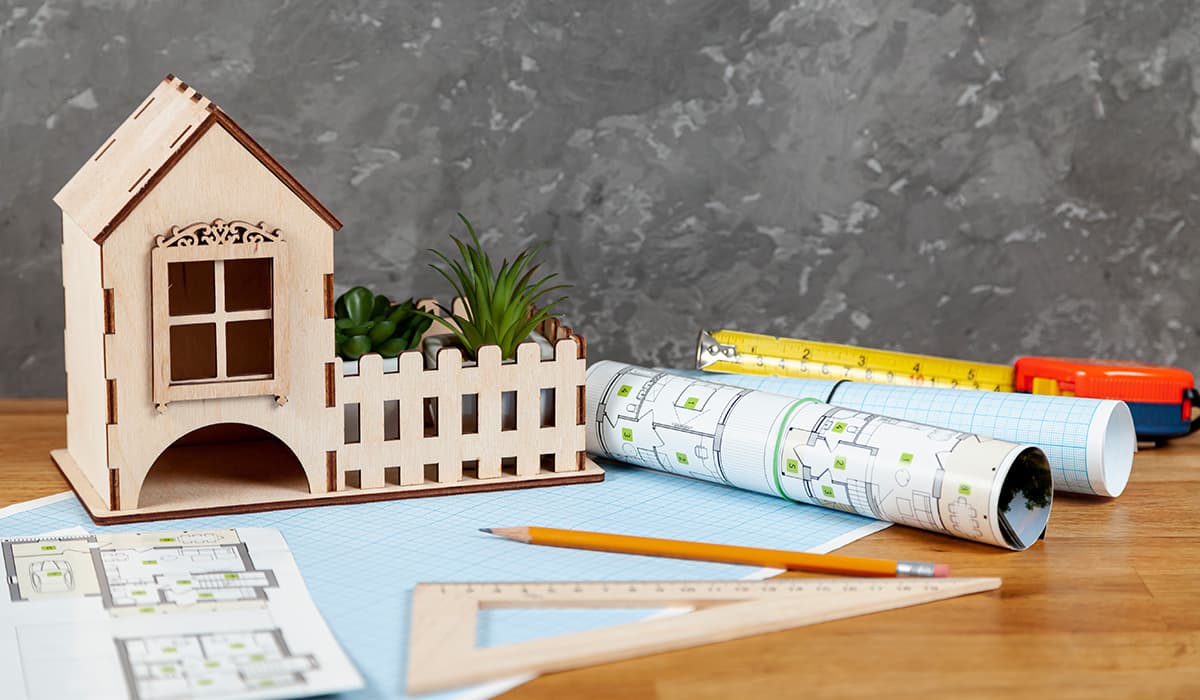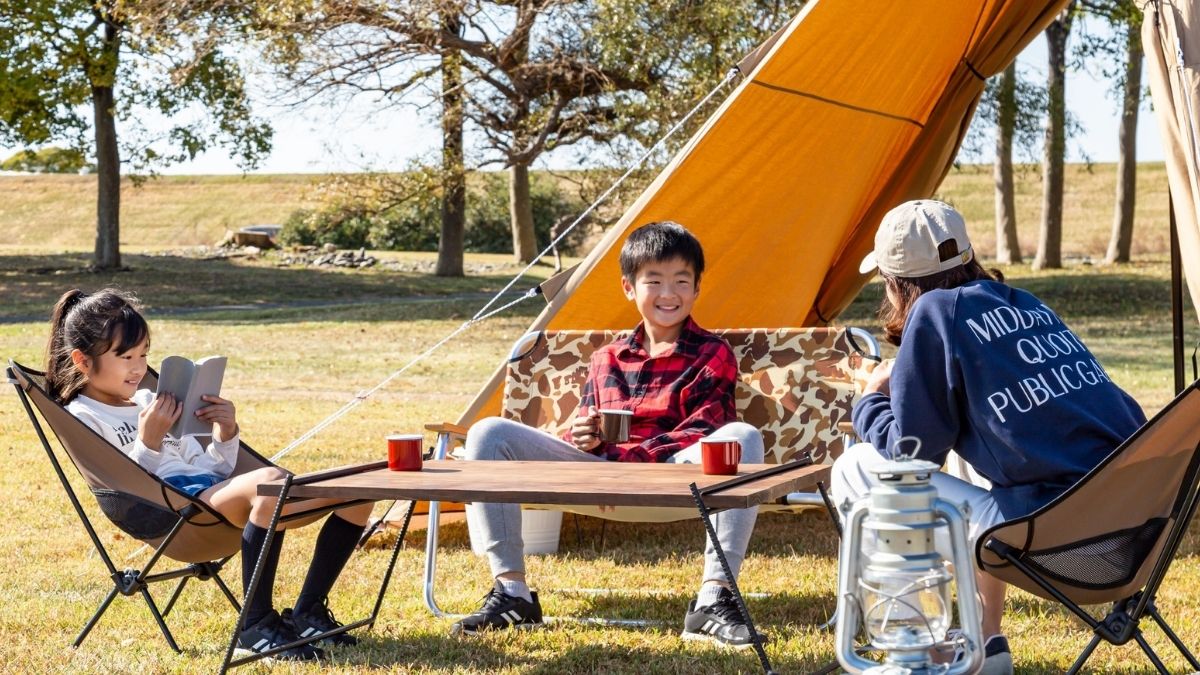
Many parents and educators in Miami face the challenge of finding summer camps for children that go beyond simple childcare or entertainment, offering real educational value that nurtures creativity and critical thinking. Standard kids’ camps frequently prioritize recreational activities without linking them to meaningful learning outcomes, leaving families wondering how best to fill summer months with productive experiences. This ongoing dilemma highlights a broader issue in children’s enrichment programs focused on making learning engaging and relevant.
At arKIDect, we position architecture education not just as a subject but as a valuable thinking framework that supports children’s development in multiple areas, including design thinking, collaboration, and spatial awareness. Understanding our camp’s distinct approach helps clarify why it stands apart in the Miami area, particularly for families who value hands-on, project-based learning that connects to real-world skills and creative confidence.
Key Points Worth Understanding
- Summer camps often struggle to balance fun with purposeful learning, especially in creative subjects.
- Architecture education can serve as a comprehensive tool to build spatial and design thinking in children.
- Hands-on projects foster deeper engagement and understanding compared to traditional camp activities.
- Group collaboration alongside individual creation enhances social skills and peer learning.
- Local Miami camps vary greatly in program content and educational goals, making informed choices crucial.
What challenges do Miami kids’ camps commonly face in providing meaningful creative learning?
Many camps in Miami tailor their programs primarily toward entertainment or physical activities, which are important but often do not develop specific cognitive and creative skills. This can limit opportunities for children to engage in deeper problem solving or express their ideas through design or building projects. Such challenges persist partly because developing and delivering specialized curricula requires expertise and resources that not all camps can provide reliably.
Why do recreational camps often miss educational depth?
Recreational camps typically emphasize activities that are easy to implement and appeal broadly to children but may avoid subjects requiring more focused instruction and materials. The lack of specialized training among staff also limits the capacity to introduce complex topics like architecture or design thinking effectively. This situation leads to a gap where camps provide fun but fall short in preparing kids for creative or intellectual growth beyond the summer.
For example, a general arts and crafts session might be enjoyable but rarely challenges children to think about spatial organization or structural stability, which are foundational in architectural education. Without this level of engagement, campers may miss the chance to build key skills such as visual intelligence or collaborative problem solving.
What are common constraints camps face in Miami related to creative programs?
Many Miami camps operate within tight budgets and space limitations, impacting their ability to supply specialized tools and materials for architectural or design projects. Time constraints also play a role; camp schedules often favor brief activities rather than extended project work, which is essential for deep learning in creative disciplines. Such practical factors combine to constrain the options available for families seeking a camp experience that meaningfully nurtures creativity.
Additionally, the diversity of camper ages and abilities requires adaptable programming, which can be challenging to balance without skilled educators familiar with developmental differences. Many camps default to simpler, uniform activities to manage group dynamics, sacrificing tailored learning experiences.
How do staffing and program expertise affect camp quality?
Qualified instructors with backgrounds in architecture, design, or related fields bring insight into how to translate complex ideas into accessible activities for children. Without such expertise, camp leaders may lack methods to scaffold learning effectively, resulting in projects that are either too simplistic or overwhelm young learners. This gap highlights the importance of selecting camps where educational leadership understands both content and pedagogy.
For instance, at arKIDect, our experienced educators design curriculum around children’s natural curiosity and developmental stages, ensuring engagement with appropriate challenges. This expertise builds confidence and skills that children carry beyond camp, contrasting with camps where supervision is the primary focus rather than guided learning.
What practical solutions help bridge the gap in kids’ summer camps between entertainment and learning?
Effective solutions involve intentionally integrating hands-on, project-based activities that promote both creativity and critical thinking. Camp designs should foster iterative learning processes where children can explore ideas, make mistakes, and refine their work—all within a supportive environment. Programs that emphasize architecture education can harness spatial reasoning and design challenges to captivate interest and enhance problem-solving skills.
How does hands-on learning improve engagement and outcomes?
Children naturally learn by doing, and hands-on projects provide tangible experiences that make abstract concepts more concrete. At camp, building models or creating designs lets children manipulate physical forms, deepening their understanding of structures and spatial relationships. This approach also supports motor skills and visual intelligence alongside cognitive development.
For example, arKIDect summer camp encourages kids to construct architectural models that reflect real-world principles, bridging theory and practice. These activities contrast with passive learning formats and often result in children expressing greater enthusiasm and retention of concepts.
Why is group collaboration important in creative camps?
Collaboration invites children to share ideas, negotiate solutions, and learn from peers, developing vital social and communication skills. Working in groups also mirrors professional creative environments where diverse perspectives improve outcomes. Attention to teamwork in camp settings fosters empathy and cooperative problem solving, preparing children for future collaborative projects.
At arKIDect camps, group critiques and design discussions guide children in articulating their ideas clearly and considering alternative approaches. This social dimension adds depth to the learning experience, enriching both individual and collective growth.
How can curriculum be adapted for diverse skill levels and interests?
Offering differentiated activities allows campers of various abilities and ages to engage meaningfully without frustration or boredom. Curricula that build progressively in complexity help beginners build foundational skills while challenging more advanced children. This flexible design requires instructors skilled in observation and adjustment to support individual development.
Our summer camps incorporate flexible modules allowing children to choose projects aligned with their interests and skill levels, enhancing motivation and satisfaction. Such adaptation also respects individual learning styles, contributing to more inclusive and effective educational environments.
What realistic steps can families and educators take to find camps that blend creativity and learning well?
Families should seek programs with clear educational goals, staffed by instructors experienced in child development and creative disciplines. Visiting camps, reviewing curricula, and understanding project examples can reveal the program’s depth and quality. Asking about group sizes, materials used, and opportunities for portfolio-building may also help identify camps focused on meaningful design experiences.
What questions should parents ask camp providers in Miami?
Parents might inquire how the camp integrates architecture or design principles into activities and how instructors support children in developing new skills. Understanding how projects grow in complexity and whether collaboration is promoted can indicate program richness. Also, parents should check on safety standards and supervision to ensure a supportive environment for their children.
For example, asking about specific building projects or design challenges offered during the camp day can clarify the camp’s approach. arKIDect encourages interested parents to explore how our curriculum builds both creative confidence and practical skills in children.
How can educators use summer camps to complement school-year learning?
Afterschool and summer programs can supplement school instruction by focusing on creative and hands-on skills that may receive less emphasis in classrooms. Camps with architecture-focused content develop spatial and design thinking skills that benefit STEM subjects and arts education. Coordinating camp experiences with school goals reinforces learning continuity and enriches a child’s overall educational experience.
Educators might also recommend specific summer camps to families seeking projects that align with student interests or portfolios. arKIDect provides resources supporting both formal education and enrichment, creating a valuable bridge between seasons of learning.
What practical steps help prepare children for engaging fully in specialized camps?
Preparing children for camps like arKIDect involves familiarizing them with basic concepts of design and encouraging curiosity about built environments. Simple activities at home, such as sketching spaces or exploring shapes, can ease transitions into camp projects. Supporting independence and group participation also builds readiness for collaborative learning experiences.
Resources such as our guide on how to prepare your child for their first architecture summer camp provide families with insights and strategies to maximize camp benefits. These preparations help children engage confidently and derive the most educational and social value from their time.
How can professional guidance improve the summer camp experience for children and families?
Access to educators experienced in architecture and child development assures a curriculum designed to be developmentally appropriate and engaging. These professionals are equipped to scaffold learning, manage group dynamics, and facilitate meaningful critiques that develop communication skills. Their guidance elevates camp beyond childcare into a formative learning opportunity.
What role do specialized instructors play in children’s progress?
Specialized instructors understand how to translate complex design principles into playful, interactive learning that resonates with children’s experiences. They recognize varying developmental stages and adapt methods accordingly, ensuring each child can contribute and grow. Their expertise also fosters a positive atmosphere where challenges are seen as opportunities rather than obstacles.
At arKIDect, our instructors guide children through hands-on projects and reflective discussions, cultivating skills that support both creative and academic success. This approach exemplifies how professional leadership nurtures deeper engagement and achievement.
How does expert supervision enhance safety and learning?
Expert supervision addresses both physical safety and emotional wellbeing, which are essential for productive learning environments. Skilled educators anticipate group needs, provide clear instructions, and intervene constructively when conflicts or frustrations arise. These measures create a structured yet flexible setting where children feel secure to explore and take creative risks.
In the context of architecture summer camps, supervision also involves monitoring the use of tools and materials, guiding attention to detail, and encouraging persistence. Professional programs like arKIDect prioritize these elements to balance safety with creativity.
How can families continue supporting their children’s learning after camp?
Educators can equip families with project ideas and reflection activities that extend camp learning at home. Encouraging children to discuss their projects and share their learning fosters ongoing curiosity and skill development. Families aware of camp goals can reinforce these through visits to local architecture landmarks or simple design challenges.
Resources and communication channels provided by camps help parents stay informed and engaged with their children’s creative journeys. arKIDect supports families with suggestions for continuing exploration, bridging summer experiences with year-round learning.
For those interested in exploring how hands-on architectural projects build skills and portfolios, arKIDect offers detailed explanations on building models that strengthen design portfolios which illustrate the camp’s practical learning approach. Similarly, families can find helpful advice on preparing children for their first architecture camp to ensure readiness and enthusiasm. Those considering registration may contact us directly via the contact page for personalized information and support.
Frequently Asked Questions
What age groups does arKIDect’s summer camp in Miami serve?
arKIDect summer camps typically welcome children between the ages of 6 and 12, though some programs accommodate slightly older or younger learners depending on the specific curriculum. The camp design considers developmental stages to offer age-appropriate challenges that balance creativity with skill-building.
How is the architecture curriculum structured at arKIDect’s summer camp?
The curriculum integrates hands-on model building, design thinking, and spatial reasoning exercises. Children work on projects that evolve gradually, encouraging iteration and reflection. Core components include collaborative critiques and guided problem solving tailored for young learners.
Are classes at the summer camp group-based or individualized?
arKIDect offers primarily small group settings where children learn through peer interaction and teamwork, supported by attentive instructors who provide individual guidance as needed. This format encourages social skills development while allowing for personalized feedback.
Where is arKIDect’s summer camp located in Miami?
The camp is hosted in Miami, with specific venues selected for convenient access and appropriate space for hands-on projects. Locations are chosen to support a safe, creative learning environment close to local families.
How does the camp’s approach differ from traditional kids’ camps in Miami?
Unlike many camps that focus mainly on recreation, arKIDect centers its program on architecture education, which promotes critical thinking, creativity, and collaboration through structured, project-based learning. This focus provides children with unique skills applicable beyond the summer.