Finding summer programs in Miami that balance fun with meaningful educational experiences challenges many families and educators. Standard summer camps often emphasize recreation but lack structured activities that nurture creativity and spatial thinking, especially through architecture and design. These limitations leave parents searching for camps where kids engage deeply with problem solving, collaboration, and hands-on learning, rather than simple amusement. For families prioritizing purposeful activities, uncovering the typical day at an architecture-focused camp like arKIDect clarifies what effective summer learning looks like in this city.
At arKIDect, camp days are thoughtfully arranged to build skills progressively through varied experiences, balancing instruction with experimentation. The daily schedule reflects lessons from years working with children, ensuring each segment contributes to design understanding and personal growth. As Gökçe Saygın, I see architecture education as a valuable framework to help children understand their environment while fostering collaboration and confidence. This glimpse into a typical camp day shows how intentional structuring supports these learning goals while keeping children engaged.
Key Points Worth Understanding
- Summer camp days combine creative design challenges with hands-on building activities that appeal to multiple learning styles.
- Structure balances guided instruction, independent exploration, and group interaction to develop social and cognitive skills simultaneously.
- Model-making and drawing sessions strengthen spatial reasoning and visual communication through practical projects.
- Regular collaborative critiques encourage respectful feedback and improve presentation abilities aligned with professional design contexts.
- Miami’s local environment informs some design themes, helping children connect abstract concepts to recognizable spaces.
Why It’s Hard for Summer Camps to Offer Both Fun and Learning
Many summer camps in Miami face the challenge of meeting different expectations: parents want educational value while children seek enjoyable experiences. Often, programs lean heavily toward recreational activities to maintain interest but may neglect structured moments necessary for skill-building. Limited staff training in specific educational approaches or curriculum design reduces opportunities to provide meaningful creative learning. This gap leaves children missing out on engagement with complex ideas in a playful context, essential for deep learning.
Balancing Engagement and Instruction
Successful summer programs balance activity pacing to avoid monotony without sacrificing instructional content. When camps focus only on fun, children may not practice skills that support growth in critical thinking or creativity. On the other hand, overemphasizing instruction can cause frustration or disinterest among young learners expecting variety. Finding the right balance requires purposeful schedule design and staff familiar with developmental learning trends, which many general camps lack.
At arKIDect, the schedule is designed to weave in stimulating and age-appropriate tasks that sustain curiosity while introducing architectural concepts. This approach helps children connect lessons to hands-on outcomes while accommodating different attention spans.
Staff Expertise and Educational Training
Staff qualifications impact a camp’s ability to integrate educational goals effectively. Many camps employ general instructors who may not have background in creative teaching or architecture. Without specialized knowledge, it is difficult to guide children through design processes that require visual-spatial reasoning and critical reflection. Workshops that depend on unstructured play or simple crafts do not develop the layered skills that architecture education involves.
arKIDect’s programs rely on educators trained specifically in architectural thinking and child-centered pedagogy. Their expertise enables them to structure daily activities with learning objectives beyond superficial engagement, aligning with techniques educators use to nurture confident young designers.
Challenges in Curriculum Development for Summer Settings
Creating a curriculum that fits a summer camp’s limited timeframe while covering complex subjects is demanding. Camp sessions are shorter than school semesters, forcing instructors to choose projects that reveal meaningful concepts quickly and allow iterative learning. Many camps lack the resources or experience to develop such programs, leading to either overly simple tasks or rushed coverage that fails to deepen understanding.
Programs like arKIDect’s summer camp carefully select scaffolded projects that build on one another throughout the week, making efficient use of session time. This structure supports steady progress and sustained interest, even in a seasonal format.
What a Practical Summer Camp Schedule Looks Like for Architecture Learning
A day at arKIDect’s summer architecture camp follows a rhythm that balances skill-building segments with active projects and social activities. The goal is to maintain energy and focus while guiding children through design thinking and making. The schedule integrates spatial reasoning, teamwork, and reflection in a way that feels natural for young learners instead of overwhelming or repetitive. Parents appreciate this clarity and focus when evaluating camp options.
Morning Activities Engage Observation and Sketching
The camp day begins with warm-up exercises designed to sharpen observation skills and eye-hand coordination. Children might start by sketching local architecture or natural elements from photos or the environment around the camp space. This activity supports visual literacy and develops initial design ideas that may evolve later in the day. The morning segment is typically 45–60 minutes to match children’s peak attention periods.
This period also allows for informal group discussions, fostering comfort among participants and encouraging questions about design. Drawing exercises introduce fundamental architectural concepts such as scale, proportion, and perspective through accessible methods. These techniques lay the foundation for applying ideas in model construction.
Midday Hands-On Model Making and Construction
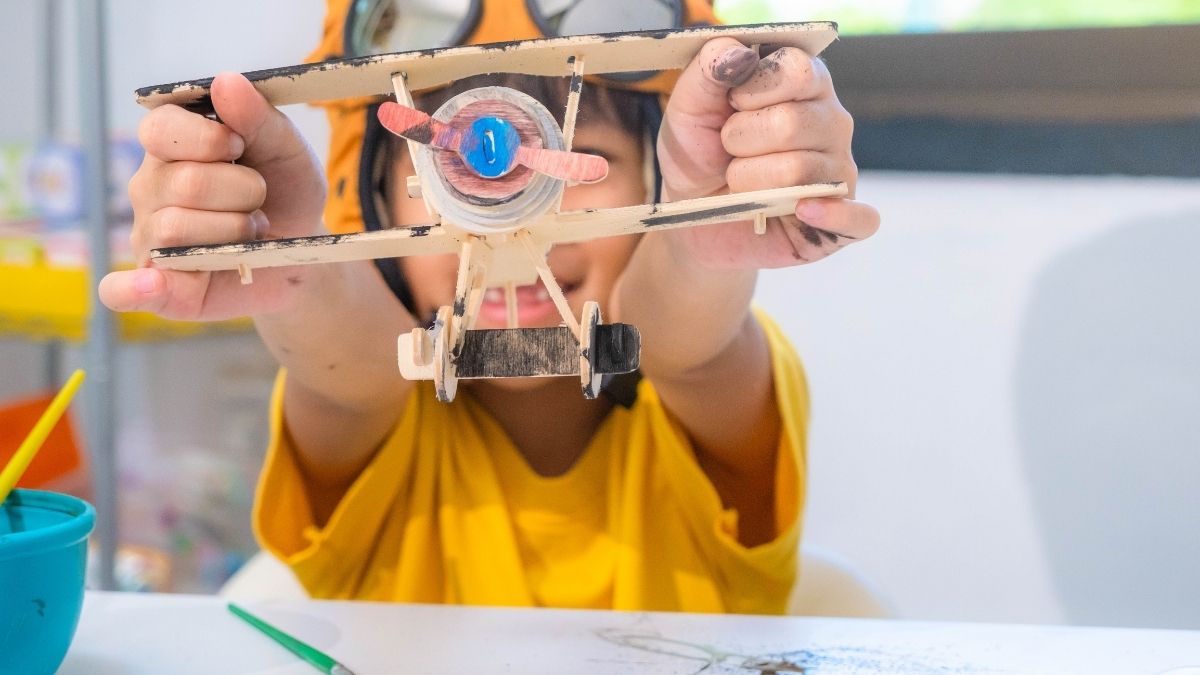
The core of the camp schedule revolves around making physical models using cardboard, foam, or recycled materials. Children translate morning sketches into tangible three-dimensional forms, practicing spatial thinking and structural problem-solving. The hands-on time spans 90–120 minutes with breaks, providing enough duration for meaningful progress without fatigue.
During this segment, instructors circulate to coach individuals on techniques such as measuring, cutting, and assembling while encouraging experimentation. The use of safe tools under adult supervision ensures children gain practical skills alongside creative confidence. Choosing materials that are easy to manipulate enhances accessibility for various skill levels.
Afternoon Group Critiques and Reflection
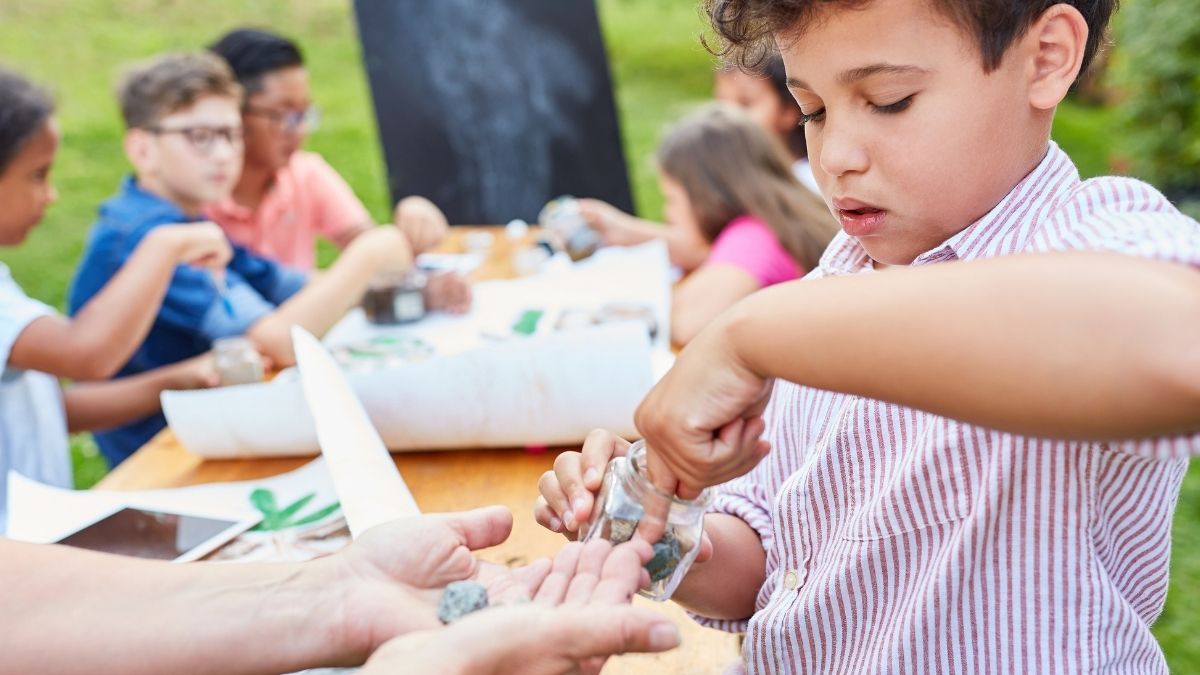
Once individual and small-group projects reach a stage of completion, campers gather for group critique sessions. These discussions emphasize constructive feedback, helping children articulate design decisions and listen to peers’ perspectives. This collaborative element connects the camp experience to real-world architectural practice, where teamwork and communication are essential.
Campers are gently guided to reflect on the challenges they faced during model building and share insights on possible improvements. This part of the schedule strengthens public speaking skills and develops maturity in evaluating work, crucial for advancing young learners’ confidence. As a result, children leave camp with a better understanding of design thinking cycles.
How Families Can Maximize the Benefits of arKIDect Summer Camp
To ensure a child gains the most from an arKIDect summer camp experience in Miami, families can build on camp learning by encouraging continued creativity at home. Providing safe spaces for drawing and model making complements the skills introduced during camp. Parents might consider visiting local architectural sites with children to connect camp concepts with real structures, making learning relevant beyond camp hours.
Prepare Children for Active Participation
Setting expectations before camp helps children engage more fully. Parents can talk about the kinds of projects and activities to expect, emphasizing collaborative work and daily design challenges. Preparing simple materials and a quiet workspace for homework or extra practice supports the continuity of camp learning. This preparation reduces first-day anxiety and helps children enter camp ready to contribute and learn.
Discussions about problem-solving and working through construction mistakes reinforce a growth mindset, crucial for design education. Parents who engage in these conversations model the critical thinking and resilience that arKIDect fosters during camp sessions.
Build on Design Concepts Throughout the Year
Extending architectural learning beyond camp strengthens retention and skill development. At home or school, parents and educators can incorporate design challenges such as creating floor plans for pretend play or building using household materials. Encouraging children to keep sketchbooks develops visual communication habits aligned with camp goals. Continuity between camp and year-round activities helps deepen understanding and encourages interest in architecture and related fields.
Resources and ideas shared by arKIDect instructors or through related blog posts add value to families seeking project inspiration. Consistent practice supports more confident and sophisticated work over time.
Communicate with Educators for Feedback
Families benefit from maintaining open communication with camp instructors. Instructors can provide insights into a child’s progress, strengths, and areas for growth. Parents can use this feedback to support targeted development, whether through additional activities or enrolling children in advanced sessions. This ongoing dialogue reinforces a collaborative approach to education, benefiting both child and family.
At arKIDect, educators welcome questions and offer guidance to help maximize each child’s learning journey. Building this relationship reassures parents and connects camp experiences with future opportunities in architecture education.
What Support and Guidance Does arKIDect Provide to Ensure a Positive Camp Experience?
arKIDect understands the importance of supportive guidance for successful summer camp experiences in Miami. The organization offers structured supervision, small camp groups for personal attention, and clear communication with families. Instruction is delivered by professionals skilled in child development and architecture, ensuring educational integrity. Additionally, safety protocols around tools and materials create a secure environment conducive to exploratory learning.
Small Groups and Individual Attention
Camp cohorts are intentionally kept small to allow instructors to provide personalized guidance. This structure helps identify individual learning styles and adapt teaching accordingly. Children receive timely feedback and encouragement, fostering a positive atmosphere. Small group sizes also make social interaction and teamwork more manageable and enjoyable, supporting collaborative skills.
Individual attention helps children build confidence in expressing ideas and tackling design challenges with support tailored to their needs and pace.
Experienced Educators with Architectural Backgrounds
Camp instructors combine expertise in architecture and educational techniques. Their dual focus allows them to present complex design ideas in accessible ways, managing diverse learners effectively. The instructors’ backgrounds help them anticipate common difficulties children face and prepare strategies to address these. Their experience enriches the camp program with professional relevance and pedagogical sensitivity.
Children benefit from instructors who understand both the technical demands of architecture and the developmental stages of young learners.
Open Communication Channels with Families
arKIDect maintains transparent and ongoing communication before, during, and after camp sessions. Parents receive schedules, project outlines, and progress updates to stay informed about their child’s experiences. Opportunities for questions and feedback are encouraged, enhancing trust and collaboration. Families appreciate knowing camp staff are approachable and responsive, creating a community invested in children’s growth.
This openness also supports smooth transitions into other arKIDect programs or related educational opportunities as families consider long-term engagement.
Families interested in learning more about program schedules and educational approaches can explore detailed insights on preparing for a first architecture summer camp as well as notable special features that distinguish arKIDect in the Miami area compared to other camps nearby.
For specific inquiries or to discuss enrollment, parents and educators are encouraged to contact the arKIDect team directly using the contact page, making personalized planning straightforward.
Frequently Asked Questions
What age groups are best suited for arKIDect’s summer architecture camp?
arKIDect designs its summer camp programs primarily for children aged 6 to 12 years. Activities and projects are tailored to be developmentally appropriate for this range, balancing skill-building and creative exploration. Beginners and more experienced young learners alike find suitable challenges within structured daily schedules that accommodate varying learning speeds.
Where in Miami are the arKIDect summer camps held?
arKIDect offers summer camps in locations accessible to Miami families, including areas such as Sunny Isles Beach. Venue details vary by season, but camps are typically hosted in easily reachable community centers or educational spaces that foster hands-on, interactive learning environments.
Is the summer camp focused on group classes or individual sessions?
arKIDect summer camps emphasize group settings that encourage collaboration and peer learning. Small group sizes promote active participation and allow instructors to provide personalized attention. While primarily group-based, the program also supports learners with varying comfort levels through sensitive facilitation.
What types of projects do children complete during the summer camp?
Campers engage in a variety of projects including sketching local architectural details, building structural models with safe materials, and participating in group critiques. These projects build spatial reasoning, design communication, and teamwork skills through concrete, creative tasks connected to real-world concepts.
How does arKIDect incorporate STEAM learning into the camp experience?
The camp integrates science, technology, engineering, art, and math principles through design challenges and physical model making. Children apply math concepts like measurement and geometry in practical contexts, while art and creative thinking underpin design development. This interdisciplinary approach supports holistic learning and skill transfer.