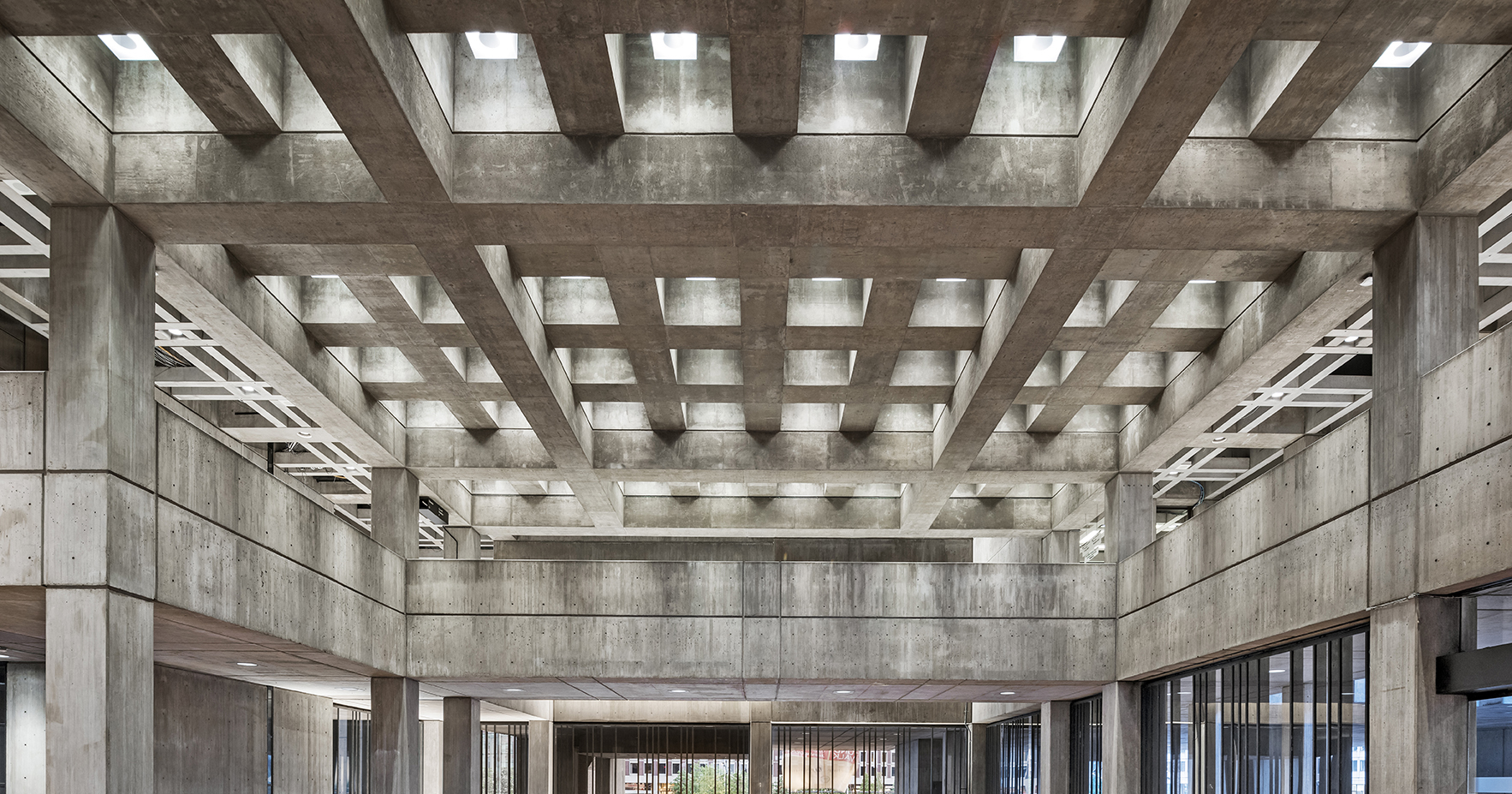
Many educators and parents find architectural styles like brutalism challenging to explain to curious kids because this bold style often looks tough and unusual compared to more traditional buildings. Professionals working with children often face the difficulty of making brutalism relatable and understandable, especially when standard teaching methods overlook the visual and tactile aspects that help young learners connect with architecture. Within Miami and similar urban settings, families seeking engaging educational resources encounter few options that balance historical context with playful exploration. This gap leaves many wondering how to introduce children to complex architectural ideas in ways they can appreciate and enjoy, such as through hands-on learning or local examples like those highlighted in design spots around Miami.
To help curious kids grasp what brutalism architecture really is, it’s important to break down its key features and show how these bold buildings came to be. As Gökçe Saygın, I see architecture education as a way to open children’s eyes to the stories buildings tell through their shapes, materials, and functions. Explaining brutalism doesn’t have to be about architectural jargon but about encouraging young learners to observe and describe what they see, drawing connections to the purposes those designs serve. By providing clear examples and linking to accessible resources, adults can guide children through understanding a style that at first might seem intimidating.

Key Points Worth Understanding
- Brutalism is known for its strong, raw appearance using concrete and bold shapes.
- This architectural style often reflects the building’s purpose and structure openly.
- Though it may seem harsh, brutalism promotes honesty in design and materials.
- Many brutalist buildings were created to address social and urban needs.
- Exploring brutalism helps develop children’s spatial awareness and design thinking skills.
What challenges do professionals face when explaining brutalism architecture to children?
Communicators and educators often wrestle with how to describe brutalism so kids can relate to it beyond the initial impression of heavy concrete blocks. The difficulty lies in translating architectural principles into language and activities that feel accessible but don’t oversimplify. Without engaging approaches, children may miss the interesting ideas behind brutalist designs, such as how forms follow function or how materials influence a building’s feel. Additionally, many brutalist buildings look less like typical houses and more like abstract sculptures, which can confuse young learners who expect architecture to be decorative or ornate.
Why do brutalist buildings often seem uninviting or harsh?
Brutalist architecture emphasizes exposed materials, especially concrete, and structural elements. This focus results in surfaces and shapes that can feel rough or imposing compared to more polished building styles. Since the design intentionally avoids hiding mechanical systems or construction details, the visual language can appear unfinished or severe to those unfamiliar with its purpose. For children used to colorful or rounded forms, encountering stark brutalist structures may generate questions about why architects choose such a style that looks different from everyday buildings in their neighborhood.
This perception reflects the style’s origin in expressing honesty in construction and materials, which sometimes conflicts with conventional ideas of beauty. Educators must therefore help children understand these intentions to see beyond first impressions and appreciate brutalism’s unique way of communicating through design.
How does the abstract nature of brutalism create barriers in architectural education?
Because brutalism strips away ornament and decoration, it demands that learners focus on form, function, and materiality. This abstraction can be challenging for children who are still developing their ability to analyze visual elements critically. When architecture lacks familiar decorative cues, kids may find it difficult to connect emotionally or understand the building’s story. Consequently, classrooms may lack the tools or examples needed to bridge this gap, making brutalism seem inaccessible or irrelevant to young minds.
To address this issue, teaching brutalism benefits from interactive methods such as model-building or site visits that highlight how the shapes and textures work together. Relating forms to practical functions, like shelter or community use, can also ground understanding in real-world examples that make more sense to children’s experiences.
What difficulties arise from the scarcity of child-friendly brutalism resources locally?
For families in Miami and similar cities, finding accessible, age-appropriate information about brutalist architecture is not always straightforward. Many educational materials tend to focus on other styles that are more visually familiar or widely taught. This scarcity limits opportunities for children to explore brutalism hands-on or through guided tours tailored to younger audiences. Without these local supports, parents and educators may feel unprepared to address the questions children have about this style, reducing the chances of meaningful engagement.
Local programs that include architecture in their curricula, such as afterschool classes in arts districts, can bridge this gap by incorporating brutalism into broader design learning. Practical exposure paired with storytelling about the social and historical context further helps bring the style alive in a child-friendly way.

Why do problems explaining brutalism tend to persist in educational settings?
The persistence of these challenges is linked to brutalism’s complexity and how architecture education often prioritizes more commonly appreciated styles. Teaching budgets and curriculum time are limited, so programs may avoid less popular or more abstract subjects. Additionally, architecture’s technical language can intimidate those without formal training, leading to missed opportunities for investment in specialized teaching tools that make such topics clearer for children. The urban context also plays a role, as many brutalist buildings are centered in particular cities and may not be encountered regularly by all learners, limiting direct exposure.
What role does a general lack of hands-on experiences play in these ongoing problems?
Without tactile and visual learning activities, children are more likely to find brutalism confusing or uninteresting. Passive instruction methods such as lectures or reading may fail to activate curiosity or facilitate deep understanding. Directly engaging children in building simple models or visiting brutalist sites allows them to experience the style’s unique features physically and spatially. Limited access to these types of active learning opportunities contributes to the lingering problem of making brutalism tangible and relevant.
Therefore, education professionals must seek out or develop materials that support sensory engagement to break down barriers to comprehension and appreciation at early learning stages.
Is cultural bias within architectural education affecting how brutalism is taught?
Brutalism often carries negative connotations due to associations with urban decay or unpopular public housing developments. These cultural biases seep into teaching materials and public perception, influencing how educators present the style. Children may inherit these attitudes, which can overshadow the architectural significance and social intentions behind brutalist design. This inhibits balanced understanding and reduces opportunities to appreciate the style’s historical and functional merits.
Addressing bias entails presenting brutalism with contextual nuance, using examples that highlight positive aspects such as durability, community focus, and expressive structural honesty. Educators should convey the diversity of brutalism to help children form a more informed perspective.
How does limited curriculum time affect teaching about architectural diversity including brutalism?
With many subjects competing for attention in school programs, architecture often receives only brief coverage. When it is included, the focus tends to be on widely recognized styles or local favorites which appear more immediately accessible. This leaves less common or abstract styles like brutalism underrepresented despite their educational value. As a result, children have fewer occasions to encounter brutalism concepts in meaningful ways.
By integrating brutalism into larger themes such as material study, design thinking, or urban history, educators can better incorporate the style within existing curricula without overwhelming limited schedules.
What practical methods can help children understand brutalism architecture better?
Practical strategies involve making brutalism interactive and relatable through activities that adapt to children’s learning styles. Using model-making projects can help kids explore the forms and textures of brutalist structures firsthand. Storytelling that connects brutalism to social aims and urban life gives the style a purpose children can grasp. Visual comparison exercises, like contrasting brutalist buildings with other architectural styles, assist in highlighting distinct features clearly.
How can hands-on projects deepen children’s connection to brutalism?
Engaging children in building simple physical models using cardboard or clay mimics brutalism’s blocky, geometric shapes and material qualities. This tactile involvement reinforces understanding of form and scale while encouraging experimentation. Children notice how shapes fit together and how textures contribute to the overall impression. These experiences provide a bridge between abstract architectural ideas and sensory learning that supports retention and curiosity.
Hands-on projects also nurture problem-solving and creativity, coinciding with broader educational goals for developing design thinking skills.
What storytelling approaches make brutalist design meaningful to young learners?
Telling stories about why brutalist buildings were constructed—such as to provide affordable housing or protect communities—gives children context beyond appearance. Explaining architectural choices as responses to real problems helps kids see design as purposeful and human-centered. Including examples from local or familiar environments grounds lessons in experience. Narratives about architects who championed honesty in materials or innovation in construction build appreciation for the style’s values and challenges.
These perspectives encourage children to look deeper and think critically about how architecture shapes their surroundings and lives.
How does comparing brutalism to other architectural styles support understanding?
Introducing children to multiple styles side by side—such as art deco, modernism, and brutalism—helps clarify distinctive features. Kids can observe differences in color, texture, shape, and function, making abstract concepts clearer. Comparison also highlights the reasons behind each style’s choices and how these relate to historical and cultural contexts. This method supports visual literacy and develops a child’s vocabulary for discussing architecture.
Comparative study invites questions and reflections, which foster engagement and deeper learning.
What realistic steps can parents and educators take to help kids explore brutalism?
Parents and educators can begin by seeking out local brutalist buildings and planning visits with children to observe and sketch details. Complementing visits with accessible resources such as picture books or videos about brutalism makes the experience richer. Incorporating simple model-building activities at home or school provides hands-on connection. Encouraging questions and discussions about why buildings look the way they do cultivates curiosity and critical thinking.
Where can families find brutalism examples to visit around Miami?
Miami includes several notable brutalist buildings like Miami-Dade County Courthouse and certain university structures where the style’s hallmark features are visible. Exploring these sites during family outings can offer practical exposure. Local architecture tours designed for kids or family-friendly landmarks provide opportunities to experience brutalism beyond textbooks. Planning educational outings supports learning by connecting theory to real environments.
Since not all children respond similarly, visiting multiple sites with varied architectural styles also helps create a well-rounded understanding.
What types of art and architecture projects work well for different age groups?
For younger children, basic block-building or clay shaping echoes brutalism’s massing without requiring complex construction skills. Older kids may handle cardboard modeling with cutting and folding or digital sketching on tablets. Group projects promoting collaboration can introduce social aspects of architecture. Tailoring tasks to developmental levels ensures manageable challenges aligned with growing abilities and interests.
Projects that integrate storytelling about community needs or materials bring additional layers of meaning suited to each group.
How can educators leverage technology to support brutalism lessons?
Digital tools such as virtual tours, simple 3D modeling apps, or video documentaries bring brutalism within reach when physical visits are limited. Interactive media invite exploration from multiple angles and pacing tailored to children’s curiosity. Integrating screen time with tactile activities balances engagement and supports diverse learning styles. Technology also allows children to experiment creatively by designing their own brutalist-inspired structures.
Choosing child-friendly software supports accessibility and adds modern relevance to traditional learning about architectural styles.
How can professional guidance support teaching and understanding brutalism architecture?
Specialized educators and architects familiar with teaching children can provide structured programs and curriculum that demystify brutalism. Their experience helps translate complex concepts into developmentally appropriate lessons using proven methods. Professionals can also connect families to local resources, guided tours, and workshops. Their support often includes creating safe, inclusive learning environments where questions are welcomed and exploration encouraged, enhancing knowledge retention and enthusiasm.
What benefits do architecture-focused afterschool and enrichment programs offer?
Programs led by trained instructors introduce brutalism alongside other styles using hands-on projects, fostering spatial thinking and design vocabulary. They provide consistent, age-appropriate instruction in a social setting that nurtures collaboration. These programs help children build confidence in discussing architectural ideas and encourage sustained interest. Integration of project-based learning addresses diverse learning preferences, making architecture engaging and accessible.
For example, Miami families benefit from such programs that blend site visits with model-making, creating multi-faceted experiences that enrich understanding.
How can collaboration with professionals enhance learning outcomes?
Working with experienced educators or architects allows parents and teachers to gain strategies suited to their children’s needs and learning contexts. Professional guidance offers customized feedback on projects and presentations, reinforcing growth and mastery. Collaboration provides access to broader networks and resources, connecting learners to community events and exhibitions. This professional input helps make abstract ideas tangible and relevant, building deeper appreciation and skill development.
In my experience working directly with children, this support is invaluable for maintaining engagement and supporting confident expression of design ideas.
What role do guided critiques and group discussions play in understanding brutalism?
Participating in group critiques encourages children to articulate their observations and design choices, fostering communication skills and critical thinking. Discussing brutalism in a group allows multiple perspectives, helping children see alternative interpretations and deepen comprehension. These discussions build respectful listening and constructive feedback capabilities. They also provide social motivation, encouraging learners to refine ideas and develop visual literacy through peer interaction.
Integrating group dialogue into brutalism lessons creates a dynamic learning atmosphere that supports reflection and sustained interest.
Exploring brutalism with children can be rewarding and impactful when supplemented by thoughtful resources and professional support. For more detailed curriculum ideas and expert-led programs that introduce architectural concepts including brutalism, families can explore arKIDect’s offerings. Those interested in hands-on activities and guided learning experiences are welcome to get in touch directly to discuss options suited to each child’s curiosity and learning style by visiting arKIDect’s contact page.
Learning about architecture is a journey; linking theory to practice and local context fosters deeper understanding. If families want recommendations specific to Miami’s architecture scene that extend beyond brutalism, they might find useful insights in the curated list of architecture and design spots perfect for curious learners. For children preparing for advanced artistic programs, exploring how architecture learning supports creative readiness may be helpful as explained in the guide on early preparation strategies.
Frequently Asked Questions
What age groups are best suited for learning about brutalism architecture?
Brutalism concepts can be introduced at various ages with appropriate adjustments. Younger children learn best through tactile activities like model building, while older learners can engage with more detailed historical and social context. arKIDect programs usually accommodate kids from age 6 to 14, adapting content to developmental stages.
Are the architecture classes at arKIDect offered in group settings or private lessons?
Classes typically take place in small group formats to encourage collaboration and peer learning. However, private or tailored sessions may be available in certain circumstances to support individual learner needs, ensuring comfort and effective engagement.
Where in Miami or Sunny Isles Beach can families find brutalist buildings to visit?
Notable brutalist architecture can be found in public buildings and university campuses across Miami and nearby areas. Planning visits to these sites can provide children with firsthand experiences to complement classroom learning. Local architecture tours designed for families also occasionally feature brutalism highlights.
What skills do kids develop by studying brutalism as part of architecture education?
Learning brutalism enhances spatial awareness, visual literacy, and critical thinking about design and function. It encourages children to analyze materials and forms objectively and understand architecture as a communication tool. These skills are valuable across creative and STEM fields.
How can parents and educators support children’s interest in architecture styles like brutalism at home?
Providing simple materials for model-making and encouraging observation of local buildings helps bring lessons to life. Discussing the reasons behind design choices and integrating storytelling about social relevance can deepen understanding. Digital resources and guided activities may complement these efforts.