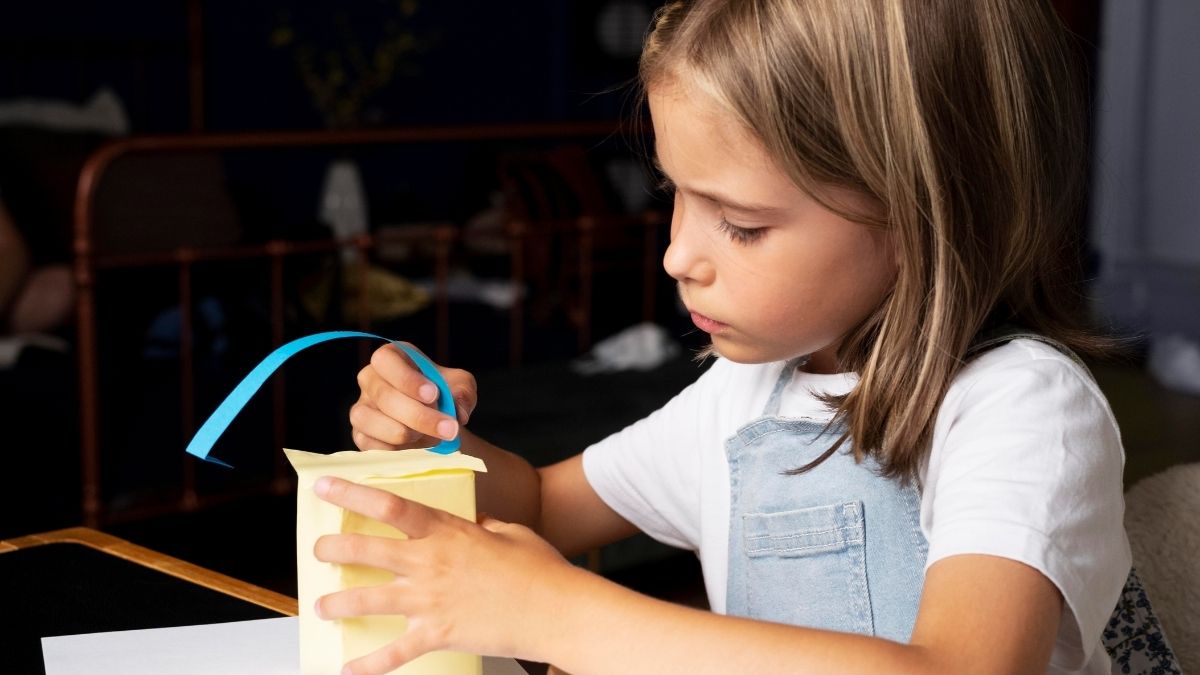
Many professionals inSTEAM education and homeschooling face the challenge of integrating creative arts with engineering concepts in a way that feels natural and coherent. Home educators often struggle with breaking down the barriers between artistic expression and technical skills, making it hard to design learning experiences that engage students both creatively and logically. This gap can result in activities that seem disconnected or overwhelming, leaving students less motivated or unsure about how to apply what they learn. Such issues frequently appear when families attempt to cover both sides without structured guidance on combining them effectively, limiting the benefits of holistic STEAM education at home. This challenge is similar to the communication barriers discussed in effective communication with peers, where clarity and integration are key.
Understanding the balance between creative arts and engineering is essential for homeschooling families who want to provide a well-rounded STEAM education. In my experience working with children and educators, I see architecture education as a practical example of blending design creativity with logical problem solving. Applying similar principles at home allows children to encounter real-world challenges that require both artistic imagination and technical thinking. This article examines why this integration often remains difficult, explores practical solutions for everyday learning, and offers clear steps for parents and tutors aiming to strengthen this critical connection in their teaching practice.
Key Points Worth Understanding
- Effective STEAM learning blends artistic creativity with engineering logic for balanced development.
- Challenges often come from treating creative arts and engineering as separate subjects rather than interconnected skills.
- Practical home activities can combine hands-on projects that encourage problem solving and visual thinking simultaneously.
- Parent or educator guidance helps make this fusion accessible and engaging for children across age groups.
- Steady integration fosters skills that support both academic confidence and real-world adaptability.
What challenges arise when combining creative arts and engineering at home?
Many homeschooling environments experience difficulty coordinating activities that meaningfully connect art and engineering. These challenges often show up as confusion over how to select materials and tasks that teach both disciplines without overwhelming the student. Parents may find that projects labeled as STEAM fail to merge creativity and technical content, leaving children either lost in abstract concepts or stuck in repetitive, disconnected tasks. Without clear frameworks, learning can feel fragmented, which discourages deeper engagement and skill development critical for future studies and careers.
How do parents typically separate creative and technical subjects?
In many home education setups, creative arts are treated as an entirely different sphere from science or engineering lessons. This separation often results in schedules where these subjects occur at different times or as discrete units, with little crossover in content or approach. Children may paint or draw one day and then switch to mechanical experiments the next, with unclear links between activities. This common structure hinders understanding of how aesthetics and function combine in real-world design challenges, which limits integrated learning outcomes.
For example, a child working on a drawing project may not apply spatial reasoning skills if the connection to engineering concepts like structure or mechanisms is overlooked. Similarly, engineering tasks without creative input might neglect elements like form, texture, or color, missing the holistic perspective crucial for design-based thinking. The result is two sets of skills developing in isolation rather than complementing and strengthening each other through crossover experience.
What difficulties do educators and programs face when bridging these fields?
Educators supporting home learners often encounter curricular gaps where materials or lessons do not clearly illustrate how art and engineering intersect. Many educational resources present these as distinct disciplines, which can confuse parents trying to orchestrate cohesive learning at home. This divide impacts not only student comprehension but also educator confidence in designing projects that cross boundaries effectively. Additionally, limited access to resources that combine hands-on building with artistic exploration compounds the problem.
Programs that do attempt integration must balance varying skill levels and interests, requiring adaptable approaches and ongoing support for both students and instructors. Without adequate training or tools, even well-intentioned homeschool providers may default to traditional compartmentalized lessons, missing the chance to build creative engineering thinking. As a result, organizations supporting home education see recurring demands for tailored solutions that holistically engage children.
How does this gap affect children’s learning development?
When creative arts and engineering remain separate, children miss opportunities to develop flexible thinking skills that emerge through their interaction. The capacity to approach problems with both imaginative and analytical perspectives benefits cognitive growth, making it easier to transfer skills to new situations later. Fragmented learning can undermine this by promoting rigid, one-dimensional thinking patterns and limiting motivation. Moreover, children might view one area as boring or difficult if not linked to their creative interests, negatively affecting self-confidence and continued engagement.
For instance, a child interested in art might shy away from engineering challenges if these seem too technical without creative connection. Conversely, a child strong in math might find artistic tasks too open-ended without structure, losing sight of the complementary skills involved. In practice, fostering integration supports not just skill development but also nurtures curiosity and persistence, essential traits for lifelong learning.
Why do these challenges typically persist in home education?
A key reason these problems continue is the lack of straightforward resources and training for parents balancing multiple roles as educators. Homeschooling often requires adults to manage diverse subjects without specialized preparation in STEAM integration. This creates uncertainty about how to combine subjects effectively, leading to the continuation of traditional segmented approaches. Additionally, pressure to cover mandated curricula or standardized testing often sidelines exploratory and integrated learning experiences.
What limits do parents face in STEAM integration at home?
Parents may feel overwhelmed by the perceived need to be experts across arts and engineering disciplines simultaneously. Access to affordable, accessible materials and clear project guidance can be scarce outside formal programs. Time demands and unclear priorities about how to sequence or merge learning activities further compound difficulties. Many families lack support networks or professional advice, which limits iterative experimentation with combined STEAM projects.
Because homeschool environments vary widely in resources and parental background, some children may receive rich interdisciplinary exposure while others do not. This unevenness in opportunity perpetuates the challenge of consistently blending creative arts with engineering. Parents who do manage small successes often report these are the result of trial and error rather than available models or curricula.
Are there cultural or systemic reasons these issues remain unaddressed?
The educational system at large still largely organizes subjects into separate departments and courses, reinforcing division between art and engineering thinking. This institutional structure influences the availability of resources marketed to families, as traditional disciplines dominate curriculum design. The marginalization of integrated teaching methods in common practice and professional training slows widespread adoption. Moreover, many home education resources follow school-based models that replicate the same subject silos, reinforcing these divides.
Systemic factors such as standardized testing requirements and instructional time restrictions also discourage risk-taking with cross-disciplinary approaches. Without policy or funding incentives to develop integrated STEAM materials for homeschooling, the challenge persists. This affects not only families but also program developers and educators seeking to support them effectively.
How do children’s diverse learning styles affect this problem?
Children’s individual preferences for visual, kinesthetic, or logical learning styles mean one-size-fits-all approaches rarely succeed. Some children engage more readily through tactile maker activities combining art and engineering, while others prefer focused technical tasks or creative storytelling. Without tailored choices within mixed approaches, learners can disengage or become frustrated. Recognizing and responding to varied ways children relate to combined STEAM experiences is essential to overcoming persistent challenges.
In practical terms, this means offering multiple entry points to projects, scaffolded challenges, and wide-ranging materials. Families or tutors unaware of how to differentiate combined lessons may unintentionally exclude children who need more support or alternative modes of engagement. Thus, complexity surrounding personalized integration contributes to ongoing difficulties.

What practical models help combine creative arts and engineering effectively?
Successful integration relies on framing projects through problem solving that invites both creative and technical contributions. Hands-on learning activities rooted in real-world challenges cultivate natural cooperation between artistry and engineering logic. Simple design-build projects, such as creating functional models or artistic structures, allow learners to balance visual thinking with measurement and material properties. Such approaches break down abstract distinctions and provide tangible contexts that clarify connections.
How does design thinking support STEAM learning at home?
Design thinking cycles — empathize, define, ideate, prototype, and test — encourage children to use creativity and reasoning fluidly throughout problem solving. Using this framework in home education helps learners iterate ideas while applying engineering principles alongside artistic expression. It also fosters self-reflection and collaboration skills, crucial for integrated STEAM development. Real examples include designing a simple bridge or a decorative lamp, where children must consider function, aesthetics, and construction methods in tandem.
By moving beyond rote tasks, design thinking transforms projects into explorations that highlight connections rather than separations in creative and technical domains. This mindset shift benefits home educators by providing a structured yet flexible method that incorporates both art and engineering as complementary competencies.
What types of projects work best for merging creativity and engineering?
Projects that involve making or building tend to merge these two areas naturally. Constructing scale models, exploring basic circuitry with artistic embellishments, or designing packaging prototypes are examples where students engage with both form and function. Materials such as recycled objects, craft supplies, and simple tools provide accessible entry points. Activities emphasizing iteration and adaptation allow learners to balance different skills as needs evolve.
For example, building a birdhouse combines carpentry skills with design choices about color and shape. Children learn about stability and measurement while experimenting with creative finishes or decorations. This type of project supports visual-spatial reasoning, fine motor skills, and conceptual understanding of engineering concepts through artistry.
How do visual intelligence and spatial thinking relate to STEAM integration?
Developing visual intelligence and spatial reasoning is key to blending art and engineering in a meaningful way. Children who enhance these abilities become better at interpreting plans, manipulating objects mentally, and envisioning outcomes. Activities such as sketching structures, arranging components, or solving puzzles contribute directly to bridging creative and analytical skills. Cultivating these traits improves capacity to tackle complex STEAM problems that require seeing both parts and wholes simultaneously.
For parents facilitating interdisciplinary learning, emphasizing spatial tasks within art and engineering projects enriches understanding and engagement. This approach moves beyond memorization toward active comprehension of physical and aesthetic relationships, reinforcing integrated thinking patterns required for diverse challenges.
What realistic steps can parents take to integrate these disciplines?
Parents can begin with small, manageable projects that combine creative arts and engineering, gradually building a steady rhythm consistent with their family’s pace. Establishing clear goals, selecting appropriate materials, and focusing on problem solving over perfection help maintain interest and reduce frustration. Encouraging children to document their ideas and results connects reflection processes with skill development. Keeping lessons adaptive to the child’s responses ensures meaningful progression in both creativity and logic.
How should parents select suitable projects and materials?
Choosing projects that reflect children’s interests and available resources increases motivation and accessibility. Simple building kits, household recyclables, art supplies, and inexpensive tools offer versatile options. Starting with straightforward challenges that combine visual design with hands-on assembly provides a foundation before moving to more complex tasks. Parents can also look for community programs or online resources that offer structured activities merging artistic and engineering concepts to supplement home lessons.
For example, a cardboard furniture design assignment lets children explore shapes, engineering stability, and decorative aesthetics simultaneously. This project leverages common materials and gently introduces critical thinking alongside imaginative creativity, an effective starting point for integration.
What role does reflection and documentation play in supporting learning?
Encouraging children to describe their process in words, drawings, or digital formats reinforces connections between creative ideas and engineering reasoning. Reflection helps solidify lessons learned and identify challenges encountered, fostering metacognitive skills helpful in all areas. Documentation also creates a portfolio showing progress and achievements, which can motivate learners and provide feedback for parents. Integrating this practice into projects bridges the gap between doing and understanding.
For instance, having a child sketch initial designs, note material choices, and record adjustments during testing cultivates awareness of iterative design. This active learning embedded in documentation supports deeper integration of creativity and logic, making abstract concepts tangible and personal.
How can parents involve children in collaborative learning experiences?
Collaboration introduces social and communication skills critical to integrated STEAM development. Working with siblings, peers, or community groups exposes children to multiple perspectives and problem solving styles. Parents can encourage joint projects where roles naturally balance creative and technical contributions, fostering mutual learning. Sharing results with others through presentations or exhibitions further deepens engagement and accountability.
For example, a family project to design a garden feature invites discussions about aesthetic choices and structural needs. Assigning different tasks according to interests and strengths allows team members to combine talents effectively. This approach models professional STEAM environments and enhances the educational value of integration beyond individual work.
How can professional guidance support families integrating creative arts and engineering?
Professional educators and program developers offer essential support through structured curricula, coaching, and resource recommendations tailored to blended STEAM learning. Their expertise helps families avoid common pitfalls and access effective models proven to engage children holistically. Guidance also includes strategies for adapting projects to different ages and abilities, maximizing learning without adding undue pressure. Home educators benefit from networks providing ongoing advice and opportunities for social learning, which enrich the integration experience.
What should parents look for in professional support?
Choosing professionals who understand both creative arts and engineering education helps ensure balanced and coherent instruction. Programs that emphasize hands-on learning, design thinking, and practical problem solving offer frameworks to merge disciplines effectively. Parental coaching or mentoring adds confidence for implementing activities and assessing progress. Quality providers also keep updated on research and best practices, bringing relevant insights into home education contexts.
Parents should seek guidance that fits their family’s schedule, values, and educational goals, focusing on accessible and flexible options rather than rigid curricula. Opportunities for group learning or community engagement enhance benefits through exposure to diverse ideas and collaboration.
How do educators tailor support to varied home education needs?
Skilled educators recognize the diverse backgrounds, priorities, and resource levels of homeschooling families. They offer scalable lesson plans and adaptable projects that respond to individual learner profiles and family dynamics. Ongoing assessment and feedback loops allow modification of strategies to maintain engagement and skill growth. This personalized approach ensures integration maintains relevance and accessibility, avoiding generic or overly complex models that discourage use.
In practical terms, this means providing starter kits, video demonstrations, and clear instructions complemented by direct communication channels for questions. Educators often facilitate online or in-person group sessions that help families as they navigate integrated STEAM learning challenges collectively.
How does access to professional resources impact outcomes?
Having reliable resources significantly strengthens the quality and consistency of STEAM integration at home. Access to curated materials, project guides, and expert advice reduces trial-and-error, allowing families to focus on meaningful engagement. Professional support also connects parents to wider educational trends and tools, enabling informed decisions rather than ad hoc solutions. This infrastructure is especially valuable for families new to homeschooling or those seeking to deepen existing practices.
Resource availability often correlates with better learner outcomes, as measured by skill acquisition, confidence, and sustained interest. Families report increased ease implementing combined creative and engineering activities when supported by external programs or coaching. This highlights the importance of building connections with qualified educators to optimize integration efforts.
In sum, combining creative arts and engineering in home education is challenging but manageable with clear understanding and practical approaches. Families benefit from considering integrated project design, scaffolding based on learner needs, and seeking professional support when possible. These measures foster balanced development and make STEAM learning more cohesive and enjoyable for children being educated at home.
To supplement your understanding of how design thinking enhances science and math lessons relevant for this topic, see how design thinking complements math and science lessons. For additional advice and to explore options supporting STEM concepts through active building, consider insights from using LEGO to teach simple engineering concepts. If you wish to discuss how to start or deepen your integration journey, we invite you to reach out directly through our contact page.
Frequently Asked Questions
Why is it important to combine creative arts with engineering in homeschooling?
Combining these areas develops both creativity and logical reasoning, preparing children for complex problem solving and real-world challenges. It encourages flexible thinking and engagement by highlighting the connections between artistic design and technical function.
What are easy projects to start integrating art and engineering at home?
Starting with simple design-build tasks such as building cardboard models, creating basic circuits with artistic elements, or designing functional art objects allows gradual exposure to combined skills.
How can design thinking support this integration?
Design thinking offers a structured but flexible process that guides children through creative ideation, prototyping, testing, and refining, blending artistic and engineering efforts naturally during project work.
What resources are helpful for parents to facilitate integrated STEAM learning?
Resources that provide step-by-step project guides, access to materials, video tutorials, and expert advice help parents create meaningful combined learning experiences at home.
How can professional educators assist families with this integration?
Educators provide tailored curricula, coaching, and feedback, supporting families in navigating challenges, selecting appropriate projects, and adapting activities to children’s individual needs and interests.