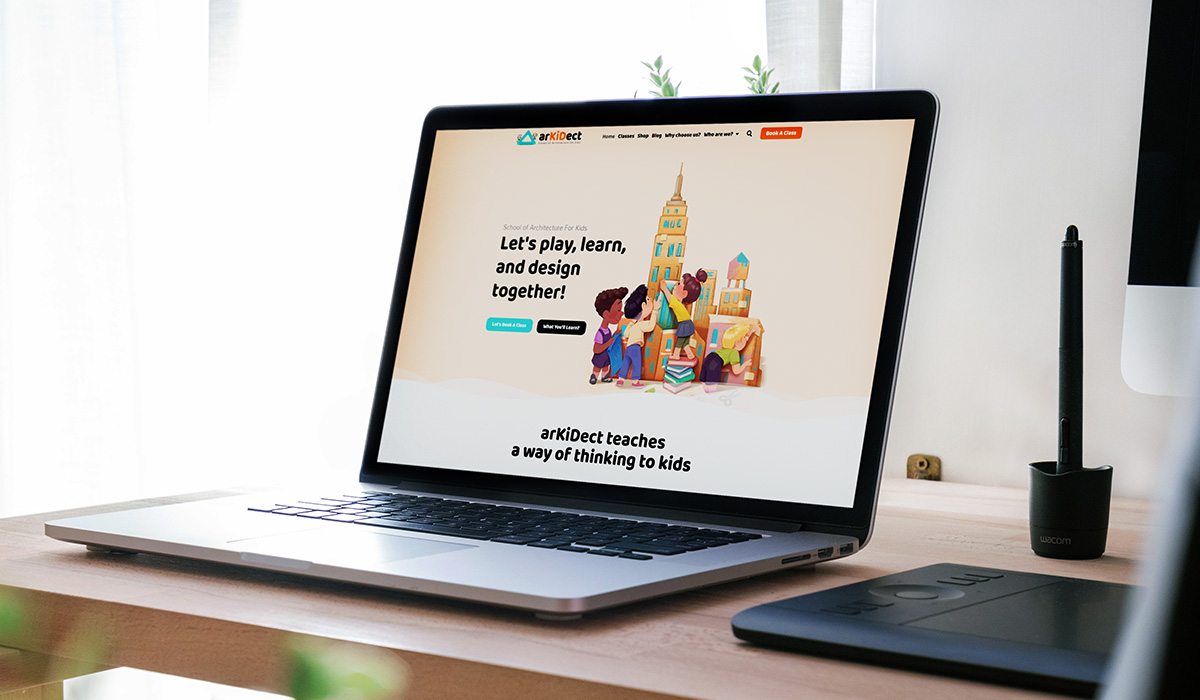
Many parents and educators face the challenge of making STEM topics accessible and engaging for children outside formal classrooms. Despite the clear value of STEM education, conveying engineering basics in a way that captures kids’ interest often proves difficult. Professionals and companies aiming to support learning at home struggle to find tools and methods that encourage hands-on discovery without requiring extensive technical background. Programs focused on applying STEM concepts through play, such as building with LEGO bricks, show promise but still meet barriers in widespread implementation due to unclear guidelines and resource limitations. For those working in educational roles, like homeschool instructors or afterschool coordinators, this ongoing issue calls for practical, adaptable solutions tailored to varied learning environments. At arKIDect, we have also observed how families and schools can benefit from supports that bridge these gaps effectively. To illustrate, our experience includes curriculum ideas that integrate building materials commonly found at home, promoting both creativity and engineering understanding.
Understanding why these difficulties persist helps clarify what changes are necessary to advance STEM education beyond traditional settings. Many obstacles stem from resource constraints, lack of clear instructional frameworks, and insufficient training for adults who guide children. Adding to this, the abstract nature of engineering principles often alienates younger learners who need tangible, relatable experiences. Despite the interest among educators and families, a gap remains between curriculum standards and workable approaches that fit home or informal settings. Learning from real-world educational projects, such as our hands-on architecture activities, emphasizes the importance of design thinking and concrete materials in building comprehension. By recognizing these challenges, we can start exploring methods tailored for home-based STEM learning that are manageable, stimulating, and pedagogically sound.
Key Points Worth Understanding
- Hands-on learning helps children grasp abstract STEM concepts better than passive methods.
- Using familiar materials like LEGO bricks creates accessible entry points for engineering exploration.
- Effective teaching requires clear guidance and structured activities suited to different age groups.
- Engagement in STEM at home benefits from integrating creativity alongside technical skills.
- Support for educators and parents is essential to applying STEM education consistently and confidently.
What challenges do professionals face when teaching STEM through hands-on play
Educators and program developers often find it difficult to adapt complex STEM principles into simple, playful activities suitable for children, especially when resources and training are limited. Incorporating hands-on play, such as building with LEGO, requires balancing educational goals with children’s developmental stages and interests. Without structured frameworks, activities risk being either too directionless or overly rigid, reducing learning impact and engagement. Additionally, professionals may lack access to scalable models that work both in small group settings and at home.
How lack of clear frameworks affects STEM teaching with LEGO
One key issue is that teaching STEM with LEGO often lacks standardized lesson plans that map building activities to engineering concepts. Without explicit connections and guided exploration prompts, children might enjoy assembling blocks but miss deeper understanding of principles like stability or load distribution. This becomes a barrier for educators who need reliable ways to link play with curriculum objectives while accommodating diverse learner needs. Consequently, the absence of clear frameworks makes it difficult to measure or replicate effective STEM learning through LEGO play across different contexts.
This situation is prevalent in many educational spaces, from afterschool programs to homeschooling environments. Educators sometimes rely on intuition rather than validated approaches, which affects consistency and quality. Better frameworks would provide step-by-step guidance, examples, and questions to direct children’s thinking toward engineering fundamentals. These frameworks should also suggest scalable challenges that gradually increase in complexity, offering both beginners and more advanced learners appropriate pathways. For instance, activities could target concepts like force distribution through building towers or simple machines by creating lever models using bricks.
Resource and training constraints limiting practical application
Another challenge is that professionals may lack access to sufficient training or materials to implement STEM activities confidently, especially in resource-limited settings. Educators without engineering backgrounds often hesitate to facilitate complex building projects, fearing mistakes or confusion. Similarly, limited budgets can restrict availability of quality LEGO sets or complementary tools that enrich hands-on learning. This restricts the potential audience and leaves home educators and afterschool providers searching for affordable, easy-to-use alternatives.
Training and support are key to overcoming this barrier. Practical workshops, coaching, or online resources can empower educators to integrate LEGO-based engineering activities effectively across different ages. These opportunities also help build a community of practice where educators share strategies and learn from successes or challenges. Without such supports, many willing professionals remain uncertain about how to approach STEM play meaningfully, often opting for passive or purely digital experiences that lack tactile engagement.
Balancing educational depth and fun in hands-on STEM activities
Maintaining the right balance between educational goals and the intrinsic fun of LEGO play presents a subtle but notable difficulty. If the focus tilts too far toward instruction, children may lose interest; if too much emphasis is placed on free play, meaningful STEM learning can be diminished. Professionals need to design activities that engage curiosity while embedding clear educational outcomes. This requires awareness of developmental milestones and techniques that prompt reflection and critical thinking.
For instance, one might begin with open-ended building challenges that encourage imagination, then introduce specific engineering terms and questions as children experiment. Scaffolding through questioning helps children notice cause-effect relationships and engineering principles naturally embedded in their constructions. The challenge lies in timing this progression appropriately to sustain motivation without overwhelming learners. Successful activities often blend play with discussion, peer collaboration, and opportunities to revise designs based on observed results.
Why do these challenges persist in current STEM education approaches
STEM education, especially when delivered outside conventional classrooms, struggles with sustaining engagement while ensuring educational rigor. The persistence of these challenges relates partly to systemic factors such as curriculum rigidity, limited educator training in engineering-specific pedagogy, and inconsistent resource distribution. Moreover, there is often a disconnect between academic STEM objectives and the practical methods available for informal learning settings. This causes programs to default to traditional worksheets or screen-based learning in the absence of accessible, hands-on alternatives.
Systemic limitations in adapting formal STEM curriculum
Formal STEM curricula tend to emphasize theoretical knowledge and standardized assessments over experiential learning, resulting in disconnects when trying to translate content for hands-on activities. Educators may find it difficult to align creative building projects with prescribed learning outcomes measured through testing. This creates tension between fostering creativity and meeting mandated benchmarks, leading some programs to minimize interactive exploration. Consequently, the dynamic, trial-and-error nature of learning through building and design struggles to find a natural place within many educational structures.
Outside the classroom, such constraints extend to homeschooling and afterschool environments, where parents or providers look for flexible, learner-centered options. Without curricular models incorporating hands-on engineering concepts through tools like LEGO bricks, families lack guidance to merge creativity with STEM effectively. This gap perpetuates the underutilization of accessible building materials as core educational resources. Therefore, initiatives aiming to integrate hands-on STEM learning must address compatibility with standards while retaining adaptability.
Lack of widespread training and professional development
Many STEM educators and program leaders have limited opportunities for professional development focused on engineering education that includes playful, hands-on methods. While science and math content often enjoy clearer training pathways, engineering tends to be less emphasized, especially in early education. This training gap means educators may feel underprepared to design or lead projects that meaningfully incorporate LEGO-based exploration, reducing confidence and willingness to experiment.
When training is available, it frequently targets formal school settings, leaving homeschool instructors and informal program facilitators underserved. Equipping a diverse network of educators with pedagogical strategies specific to engineering concepts and LEGO as a medium could significantly expand reach and quality. Without investment in this area, the cycle of limited teacher preparation and inconsistent STEM learning continues. Building professional learning communities and offering resources tailored to diverse environments is essential to overcoming these limitations.
Difficulties in balancing resources and accessibility for families
Access to quality STEM materials remains uneven, with families facing challenges affording or obtaining appropriate LEGO sets and supplementary items that support engineering exploration. Price and availability issues can restrict the scope of activities possible at home, discouraging sustained engagement. Further, difficulty understanding how to use these materials for educational purposes often leads to underuse or purely recreational play.
Addressing accessibility means offering ideas that utilize common, affordable LEGO bricks assembled in purposeful ways. Providing clear, practical activity plans enhances usability for parents unfamiliar with engineering concepts. Supporting families also involves creating approachable entry points that build confidence gradually. This equitable access to STEM learning tools and instruction is necessary to broaden participation beyond limited demographics.
What does a practical solution for teaching engineering with LEGO look like
Practical solutions prioritize simplicity, clarity, and flexibility tailored to home and informal learning environments, while preserving educational depth. Successful approaches include structured yet open-ended activities that guide children through hands-on challenges connected to fundamental engineering concepts. These activities incorporate clear instructions, reflection prompts, and opportunities for iteration. Such design fosters understanding of principles like balance, force, and structural integrity through direct manipulation.
Activity designs that balance guidance and creativity
Effective LEGO engineering tasks provide initial constraints or goals to focus exploration but allow freedom in how children meet these targets. For example, building a bridge that spans a certain length encourages thinking about stability without prescribing exact shapes. Activity instructions should include questions prompting prediction, observation, and redesign, encouraging metacognitive skills. This framework supports discovery learning while ensuring that key engineering ideas are addressed.
In application, these could be scaffolded projects progressing from simple stacking challenges to more complex structures involving load-bearing considerations. Including variations accommodates multiple ages and skill levels. Moreover, allowing children to share their designs and explain choices adds social learning and verbal reasoning opportunities. This integration of creativity and systematic problem solving is central to effective STEM education pathways using LEGO bricks.
Accessible materials and resource kits designed for ease of use
Providing resource kits with diverse, common LEGO pieces curated to enable a variety of engineering experiments simplifies preparation for parents and educators. These kits might include beams, connectors, gears, and axles alongside basic bricks to expand building possibilities. Accompanying guides explain component functions and suggest hands-on investigations tailored to age groups. This reduces intimidation and increases usability.
The convenience of such kits also supports remote or hybrid learning contexts by ensuring consistent materials availability. Furthermore, digital supplements—such as videos demonstrating assembly techniques or illustrating engineering principles—enhance comprehension. Making resources user-friendly and affordable encourages routine incorporation of STEM play at home and in afterschool settings, maximizing impact.
Embedded assessment strategies that inform learning progress
Incorporating simple assessment tools within engineering activities helps educators and parents gauge understanding without formal testing. Observation checklists, reflection questions, and portfolio documentation of builds enable monitoring of skill development and concept grasp. These methods prioritize formative assessment, valuing process over product.
For example, prompts like “What happens to the bridge when weight is added?” or “How can you make your tower stronger?” guide children to articulate observations and test hypotheses. Collecting photos or drawings of creations over time reveals growth. Such insights support tailored guidance and reinforce learning continuity. This approach aligns with experiential STEM education best practices suited to informal environments.
What concrete steps can be taken to implement STEM teaching with LEGO at home
Introducing engineering concepts through LEGO at home begins with selecting appropriate materials and designing simple, engaging activities. Parents and educators can start by gathering a basic collection of LEGO bricks including diverse shapes and connectors. Next, setting aside regular time for building challenges helps establish routine engagement. Incorporating questions and facilitation that encourage reflection enhances the educational value of play.
Starting with foundational engineering challenges
Begin with exercises that focus on stability and balance, such as building towers or bridges that stand independently or carry weight. These tasks allow children to observe cause and effect directly. Parents can guide by asking about the strength of structures and suggesting modifications to improve longevity. Even young children benefit from repeating such challenges with small variations, developing understanding through experimentation.
For instance, a parent might say, “Try making the base wider and see if your tower holds up better.” This simple intervention prompts exploration of a core structural principle. As confidence builds, challenges can introduce new concepts like mechanical advantage or simple machines by using LEGO gears or levers. Starting small and building complexity keeps children engaged and supported.
Creating a supportive learning environment
Setting up a dedicated, organized space for LEGO exploration encourages frequent use and promotes focus. Materials should be easily accessible, and children’s completed builds preserved or documented to acknowledge effort. Encouraging collaboration among siblings or with parents adds social elements that enrich learning and communication skills.
Parents can further support learning by showing interest in children’s ideas, asking open-ended questions, and demonstrating patience when challenges arise. Celebrating inventive solutions, even imperfect ones, fosters a growth mindset. This nurturing environment helps children see engineering as an approachable, iterative process rather than a rigid science.
Utilizing available resources and communities for guidance
Families benefit from leveraging online tutorials, instructional guides, and community groups focused on LEGO STEM learning. These resources provide structure, inspiration, and troubleshooting advice. Joining forums or local groups can introduce new ideas and offer peer support, helping sustain motivation and expand activity variety.
On a practical level, websites dedicated to STEM education for children often share free activity plans aligned with developmental stages. Engaging with such content can enhance the quality of home teaching and reduce preparation time. Also, reaching out to professionals or organizations experienced in hands-on STEM education may offer personalized advice tailored to specific child interests and needs.

How can professional guidance improve teaching STEM with LEGO bricks
Expert support is valuable for parents and educators seeking to maximize the educational impact of LEGO activities by ensuring thoughtful integration of STEM concepts. Professionals provide carefully designed curricula, pedagogical insights, and troubleshooting expertise that empower adults to facilitate meaningful learning experiences confidently. This guidance helps align playful exploration with clear educational objectives, increasing the effectiveness of STEM teaching at home and in informal settings. Connecting with experts also enables access to proven strategies, timely feedback, and encouragement that sustain engagement over time. For those interested, arKIDect offers programs reflecting these principles and practical implements designed to support families and educators in Florida and beyond.
Tailored curriculum development and coaching
Professional involvement includes developing activity sequences suited to age and skill level, with incremental challenges that advance understanding. Coaches can train parents or instructors in engineering fundamentals and effective discussion techniques, strengthening their ability to guide children’s thinking. This customized approach boosts retention and deepens concept comprehension, avoiding frustration or rote repetition.
For example, coaches might demonstrate ways to introduce measurement or geometry concepts through LEGO build modifications or pose problem-solving scenarios linked to daily life. Such tailored support addresses unique learner profiles and household contexts, enhancing the overall educational experience. It also models best practices, increasing confidence among adult facilitators.
Resource provision and implementation support
Professionals can supply curated kits, detailed lesson plans, and multimedia resources that simplify preparation and execution of STEM activities using LEGO bricks. This reduces barriers for families unfamiliar with engineering or constrained by time. Access to structured materials with explanatory guidance ensures activities remain purposeful and on track.
Implementation support may include virtual workshops, Q&A sessions, or feedback forums where parents share outcomes and receive expert advice. These platforms nurture ongoing learning and adaptation of teaching methods. By providing comprehensive resources and hands-on assistance, professionals enhance the sustainability and quality of STEM education initiatives at home.
Connecting families with broader STEM learning communities
Professionals often facilitate connections to local and online STEM education networks, fostering peer support and resource exchange between families and educators. These communities encourage sharing successes, challenges, and creative ideas, which enriches the learning environment beyond individual households. Participation also exposes children to collaborative STEM culture, broadening their perspective.
Such networks help maintain enthusiasm and offer diverse entry points into STEM topics. They further provide insights into complementary programs, competitions, or enrichment opportunities. Engaging with a wider community supports continuous growth and integration of STEM education into daily life for children and adults alike.
For families seeking services or support in implementing hands-on STEM education with LEGO, exploring options like dedicated home education programs in Florida can offer structured learning paths. arKIDect is one provider offering resources and guidance tailored toward architecture and engineering skills development for children.
Professionals looking for detailed methods and ongoing curriculum updates may find valuable insights in approaches to critical thinking through design projects, which align closely with hands-on STEM learning. For families interested in personalized support, reaching out via the contact page can connect with experts who can guide tailored LEGO-based engineering education.
Frequently Asked Questions
How can I start teaching engineering concepts to my child using LEGO bricks?
Begin with simple building challenges that focus on basic principles like balance and stability. Use questions to prompt your child to observe what happens when structures are altered. Gradually introduce more complex tasks involving load-bearing or simple machines as confidence grows.
What age is appropriate for introducing STEM learning with LEGO?
LEGO bricks can be adapted for a wide range of ages, starting from preschool sets designed for young children to more intricate kits suitable for older kids. Tailor activities by complexity and guidance level to match your child’s developmental stage.
How do I balance between free play and structured learning in STEM activities?
Allow initial open-ended building to foster creativity, then introduce specific challenges or questions to guide engineering exploration. This balance encourages both imaginative play and focused learning on targeted STEM concepts.
Are there resources available for parents without an engineering background?
Yes, many online platforms and educational organizations provide free or affordable lesson plans, instructional videos, and activity guides designed for non-experts. Leveraging these materials can help parents facilitate meaningful learning experiences effectively.
How can professional programs support my efforts to teach STEM with LEGO at home?
Programs led by experienced educators offer structured curricula, coaching, and resource kits that ease planning and improve educational outcomes. They provide guidance on best practices for linking hands-on building to engineering concepts and can adapt support to your child’s interests and needs.