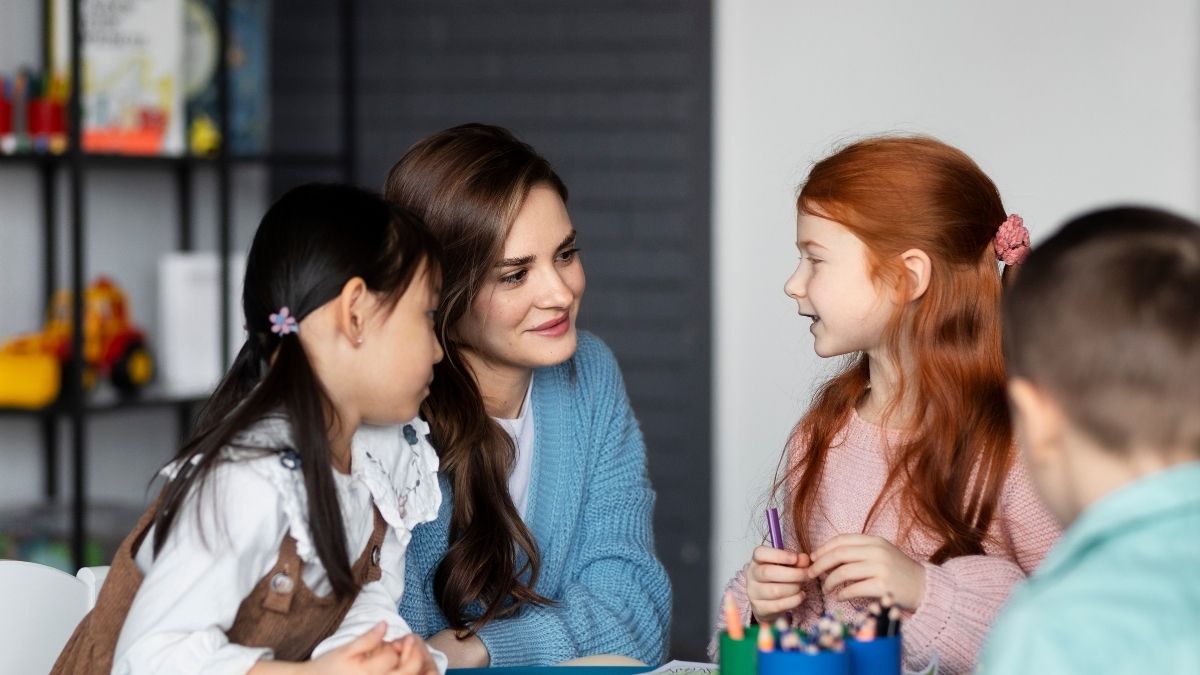
In professional design settings, teams frequently encounter challenges that stem from poor communication. Projects often stall or derail because members fail to fully grasp each other’s ideas or the client’s requirements. This lack of clear understanding can lead to costly mistakes, missed deadlines, and frustrations among collaborators. In educational contexts, these issues appear early when children work together but struggle to share ideas effectively and listen attentively to peers, affecting the quality of their group outcomes and learning experiences. This gap between intention and execution in collaborative environments points to a critical skill often overlooked in early education: active listening.
Active listening is a foundational skill that supports collaboration, creativity, and problem-solving—qualities essential for designers and many other professionals. Its significance becomes clear when we consider how common communication issues persist despite tools and training aimed at improving dialogue in workspaces. Teaching children active listening during group work lays groundwork that promotes deeper understanding, reduces conflict, and fosters more meaningful participation. As Gökçe Saygın, I see architecture education as an effective platform for cultivating such skills because it naturally involves teamwork, discussion, and iterative design processes.
Key Points Worth Understanding
- Active listening directly influences the success of group collaborations in educational and professional environments.
- Common communication problems in design stem from hearing without truly understanding others’ perspectives.
- Teaching active listening to children requires intentional guidance and modeled behaviors within group activities.
- Structured group work with clear expectations can enhance children’s ability to practice and value listening skills.
- Professional support and curriculum integration help sustain active listening development over time.
What challenges do professionals and companies face with listening in design?
One of the most persistent challenges in professional teams, especially in design fields, is achieving clear and shared understanding among members. Miscommunication or assumptions about others’ ideas often cause revisions and delays. When team members do not listen actively, they may miss critical feedback, leading to solutions that do not meet client needs or project goals. Furthermore, in busy or high-pressure environments, individuals may focus on responding quickly instead of fully digesting contributions from colleagues, which undermines collaboration and creative problem solving. These challenges highlight why effective listening is as vital as any technical skill in design professions.
How lack of active listening affects project outcomes
Design projects rely heavily on communication to clarify requirements, share feedback, and coordinate efforts. When participants do not listen attentively, misunderstandings multiply. For example, a designer might overlook a client’s key concern because it wasn’t clearly heard during meetings, resulting in work that misses the mark. Additionally, team inefficiencies arise when ideas need repeated explanations due to poor listening, which wastes time and resources. In many cases, tension grows among team members as frustration mounts, lowering morale and risking project success.
Active listening breaks this cycle by encouraging full attention, confirmation of understanding, and openness to different viewpoints. It creates a work environment where ideas flow freely, reducing errors and fostering mutual respect. Building this culture takes conscious effort and often begins with training and reflection on how communication happens in groups.
Why communication troubles persist despite solutions
Many organizations invest in communication workshops or tools but still struggle with effective interactions. One core reason is that listening skills require practice and habit-building rather than simple instruction. People often revert to habitual behaviors such as interrupting, multitasking, or planning their own response while others speak. These habits prevent true engagement with what is being said. Moreover, many environments reward quick replies and decisive decisions, which can de-prioritize the slower process of empathic listening.
The persistence of communication issues also stems from a lack of foundational development of these skills early in individuals’ learning. Without early practice in active listening, adults entering professional life may find it challenging to adopt this approach. This suggests that embedding active listening skills in childhood education, especially in contexts that simulate real-world collaboration, offers lasting benefits.
Lessons from the education sector relevant to professionals
Classrooms and afterschool programs aiming to foster teamwork see firsthand how listening impacts group success. When children are taught to listen actively during group work—such as design projects or problem-solving exercises—they demonstrate better focus, fewer conflicts, and higher-quality collaboration. These learning environments reveal practical techniques like establishing turn-taking, encouraging questions for clarity, and reflecting back others’ ideas to confirm understanding. Professionals can observe that these foundational listening strategies directly translate to healthier team dynamics and more productive meetings.
Such educational insights suggest that workplaces might benefit from more intentional coaching and structured opportunities to practice listening, not just for new hires but continuously. Recognizing active listening as a learned skill helps dismantle assumptions that it comes naturally to everyone.
Why do problems with listening continue in team settings?
The root cause of ongoing listening challenges in teams often lies in cognitive and social habits that favor speaking over hearing. In design and collaborative fields, there is a tendency to focus on contributing one’s own ideas quickly to assert expertise or meet deadlines. This reduces the mental space allocated for fully processing others’ viewpoints. Additionally, lack of awareness about how listening behaviors affect group outcomes enables unproductive patterns to continue unexamined. Social dynamics such as power imbalances or personality differences can further complicate open communication.
How habitual communication patterns create barriers
Many individuals learn communication as a one-way process—expressing rather than exchanging ideas. This model can make listening passive rather than active. For example, in meetings, participants often prepare responses while another is talking instead of absorbing the message fully. Such habits limit the ability to notice nuances or implicit meanings that inform creative solutions. The resulting disconnect diminishes collaboration and may cause overlooked opportunities for innovation.
Reversing these patterns requires conscious effort and awareness to slow down and engage differently. Techniques such as mindfulness in communication and structured dialogue support help individuals unlearn quick reaction modes and adopt reflective listening.
The role of social and emotional factors
Listening is embedded in social context; people listen more attentively when they feel respected and safe. Workplace environments that inadvertently discourage open sharing or foster competition tend to reduce willingness to engage deeply. Emotional factors like stress or bias can also cloud listening quality, leading to selective hearing or dismissiveness. Recognizing these dynamics is crucial because improving listening is not merely a technical fix but involves fostering emotional intelligence and trust within teams.
Creating conditions that encourage vulnerability and curiosity supports better listening. Empathy-building exercises and team norms emphasizing respect can shift group culture toward more effective communication. These approaches need to be adapted to the unique character and needs of each team.
Insufficient focus on active listening in early education
Many educational programs prioritize speaking and presenting skills, sometimes overlooking listening as an equally important communication pillar. Without structured opportunities to practice and reflect on listening experiences, children may not develop the full range of skills necessary for collaborative success. In group projects, children often split tasks without engaging in meaningful dialogue or feedback, limiting growth in this area. This gap carries forward into adulthood, contributing to persistent challenges in professional settings.
Addressing this requires curriculum development that intentionally includes active listening exercises and models. For instance, involving children in design thinking activities where hearing others’ ideas influences their decisions encourages habits of openness. Such early experiences build a foundation for healthy collaboration later on.
What does teaching active listening to children during group work look like?
Practically speaking, teaching active listening involves explicit instruction combined with structured practice during interactive tasks. Group work centered around design or creative projects offers natural settings where listening is necessary to succeed. In these contexts, instructors can guide children to focus their attention, interpret nonverbal cues, ask clarifying questions, and offer constructive feedback. These behaviors help children internalize the value of listening as a dynamic, participatory activity contributing to shared goals. As children repeat these practices with supportive feedback, their listening skills deepen and transfer to other social settings.
Setting expectations and group norms
Successful teaching of active listening begins with establishing clear group guidelines about how members should communicate. These norms may include taking turns speaking, refraining from interruptions, and showing respect for different perspectives. When children know the rules and understand their purpose, they are more likely to engage attentively. For example, a group can agree that each member must summarize what they heard before responding, ensuring understanding and accountability. Norm setting fosters a safe environment where everyone feels heard and valued.
Educators can reinforce these expectations consistently by modeling attentive behaviors themselves and gently correcting lapses. Groups that practice and internalize these norms tend to experience smoother collaboration and higher-quality outcomes.
Using hands-on projects to anchor listening skills
Hands-on design projects requiring collective decision-making encourage natural opportunities to practice active listening. When children work together to create a model or solve a problem, they need to share ideas, negotiate roles, and adapt plans based on peer input. These scenarios motivate attentive listening because ignoring others’ contributions can compromise the final result. For example, in building a simple structure, a child who listens carefully to safety concerns can help prevent collapse, demonstrating the direct benefits of attentiveness.
Such project-based learning grounds communication skills in concrete experiences and feedback loops, making abstract listening principles tangible. The process also supports spatial thinking and creativity, which align well with arKIDect’s educational approach.
Providing guided reflection and feedback
After group tasks, reflection sessions help children recognize listening successes and areas to improve. Educators can facilitate discussions where participants share how they felt heard or misunderstood and what strategies helped communication flow better. This reflective practice increases self-awareness and motivates intentional effort to improve listening. Feedback can be tailored to individual or group levels, emphasizing progress and encouraging motivation without pressure.
Over time, regular reflection helps build metacognitive skills around communication, enabling children to transfer active listening habits to new situations. It also gives educators data to adjust teaching approaches and support.
What realistic actions can parents and educators take now?
Introducing active listening to children during group work does not require elaborate resources but thoughtful integration into existing activities. Parents can start by modeling focused listening at home, giving children full attention during conversations without distractions. In educational or afterschool programs, facilitators can incorporate simple exercises like listening games, paired sharing, or group feedback loops. Consistency and patience are key since these skills develop gradually with practice and reinforcement.
Building listening into daily routines
Embedding listening practice in everyday interactions helps normalize these skills. For instance, family meals can include rounds where each person shares thoughts while others listen without interrupting. Teachers might set short warm-up sessions at the start of classes to practice active listening through storytelling or question-answer formats. These moments create frequent low-stakes opportunities to strengthen attention and response skills, making them part of children’s natural communication repertoire.
Small but consistent efforts often yield more lasting change than infrequent large-scale interventions. The goal is sustained exposure to positive listening experiences that children can relate to their own growth.
Encouraging verbal and nonverbal listening cues
Parents and educators can help children notice nonverbal signals that indicate listening, such as eye contact, nodding, or leaning forward. Teaching children to use these cues themselves makes their engagement visible to others and reinforces active participation. Role-playing scenarios where children respond with appropriate facial expressions or posture supports this learning. Moreover, guiding children to ask open-ended questions shows understanding and interest, deepening conversations and collaborative problem solving.
These subtle but important skills enhance communication quality and interpersonal connection, aiding both social and academic outcomes.
Seeking professional guidance and support
Working with experienced instructors or counselors who specialize in communication and group dynamics can accelerate skill development. Professionals can observe interaction patterns, provide personalized coaching, and introduce evidence-based strategies tailored to children’s developmental stages. Choosing programs like those offered by arKIDect, which integrate active listening into design-based learning, connects theory with practice effectively. Such partnerships relieve parents and educators from having to navigate these teaching challenges alone while ensuring quality instruction aligned with broader educational goals.
Engaging professional guidance can also foster inclusion of children with diverse learning needs, ensuring all participants benefit from improved communication skills.
How does professional support enhance these efforts?
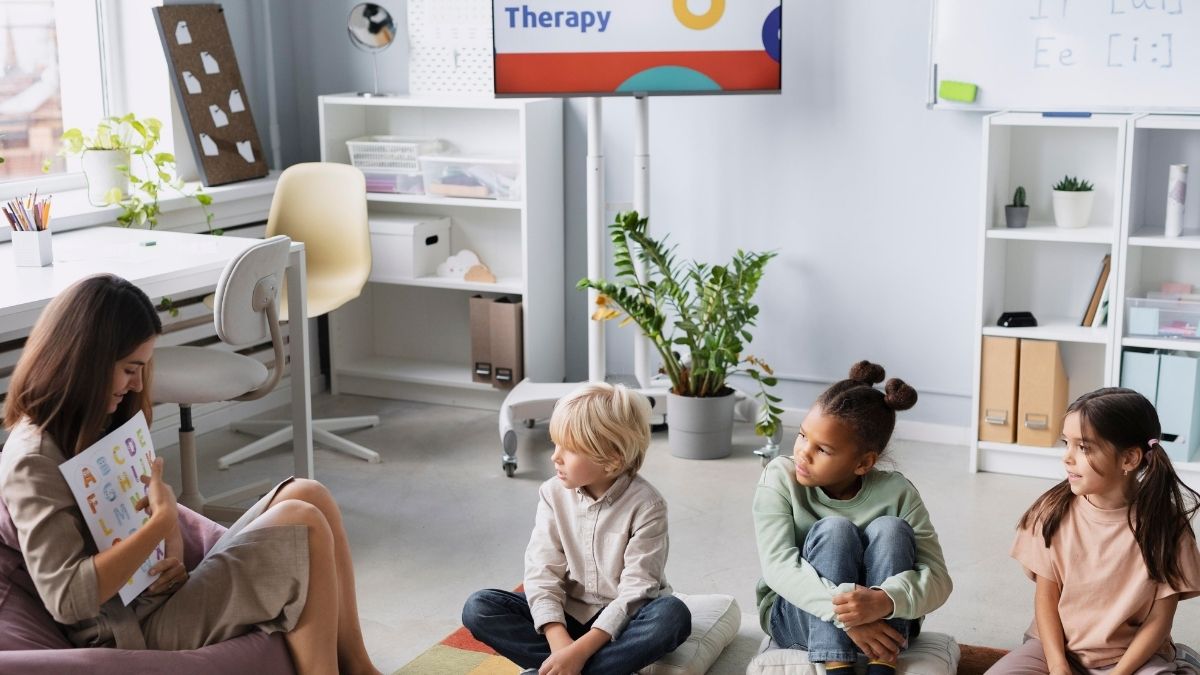
Professional educators bring structured curricula and experience to developing active listening skills within collaborative contexts. They facilitate appropriately challenging group activities that encourage children to listen and respond thoughtfully, often using design thinking or hands-on projects to maintain engagement. These trained instructors know how to create safe and productive environments where children learn from mistakes without judgment, building confidence alongside competence. Their role includes ongoing assessment and adaptation to meet learners’ evolving needs.
Design-based learning as a platform for listening
Design education naturally promotes communication through brainstorming, critique, and iterative development cycles. Professionals leading such programs leverage this format to embed listening objectives explicitly. For example, during a group project to create a spatial model, instructors guide children to express ideas clearly while actively listening to peers’ suggestions and concerns. This approach reinforces the connection between listening and problem solving, making the skill relevant and meaningful. It also illustrates how communication shapes outcome quality, motivating deliberate listening practice.
ArKIDect’s model shows how architecture learning supports social skills like active listening, enhancing collaboration beyond the classroom.
Benefits of ongoing professional coaching
Continual coaching ensures that listening skill-building is sustained rather than a one-time focus. Professionals track progress, provide targeted challenges, and introduce advanced techniques as children mature. This developmental trajectory supports transferring skills to diverse social and academic settings. Additionally, professionals can train parents and educators to reinforce these skills consistently across environments, creating a coherent learning ecosystem. This comprehensive support elevates the likelihood that active listening becomes an ingrained habit rather than a temporary exercise.
For families in Miami and surrounding areas, programs that combine project-based learning with communication coaching offer practical ways to enrich children’s social and creative abilities.
Creating connections through expert-led programs
Expert-led group programs foster community and shared experiences among learners, enhancing motivation and belonging. Children benefit from peer interactions that challenge them to listen carefully and contribute respectfully. Educators trained in communication strategies facilitate these interactions with skill, managing group dynamics to maximize positive outcomes. This professional environment supports inclusive participation ensuring that even shy or hesitant children develop confidence in listening and speaking. Joining such programs expands children’s exposure to diverse viewpoints and collaborative practices valuable throughout life.
Access to these specialized learning experiences in local education settings bridges gaps that families might otherwise face in supporting complex social skills.
Active listening is more than hearing words—it is understanding and responding thoughtfully, which benefits children in school and beyond. It is a vital skill for design and collaboration that begins with small, intentional steps in education and family life. Integrating listening practice into group work empowers children to participate fully and respect others, foundations for lifelong learning and problem solving.
For more about integrating hands-on learning and problem solving in education, consider exploring practical approaches to building problem-solving skills with constructive play. To understand how creative technical skills support communication, see insights on digital literacy for young learners. For direct support or questions about our programs emphasizing active listening and collaboration, please get in touch with arKIDect.
Frequently Asked Questions
What age groups benefit most from active listening instruction during group work?
Active listening can be developed starting in early elementary years, around ages 5 to 7, when children begin engaging in structured group tasks. The skill grows progressively with guided practice through middle school and beyond, adapting to children’s social and cognitive maturity. arKIDect programs are designed to support various age levels by tailoring activities to developmental stages.
How does active listening improve collaboration in design-based classes?
Active listening enables clearer communication of ideas, better understanding of peers’ contributions, and smoother conflict resolution during group work. In design-based classes where projects depend on joint decision-making, these skills reduce misunderstandings and encourage constructive feedback, improving both the process and final outcomes.
Are group activities or one-on-one formats better for teaching listening skills?
Group activities provide natural settings for practicing active listening because they require participants to attend to multiple perspectives. However, one-on-one interactions can also be useful for targeted coaching or when children need additional support. Both formats have merits and are often combined in educational programs for balance.
Where are arKIDect classes held for children in Miami or Sunny Isles Beach?
arKIDect offers classes and workshops in locations accessible to families around Miami and Sunny Isles Beach, focusing on hands-on learning environments suitable for children. Specific venues and schedules can be obtained by contacting the team directly to find options near you.
What kinds of listening and social skills do children develop in arKIDect programs?
Children develop active listening skills including focus, interpretation of verbal and nonverbal cues, reflective questioning, and respectful response. These social skills support better teamwork, empathy, and collaboration during creative projects, aligning with STEAM learning objectives.