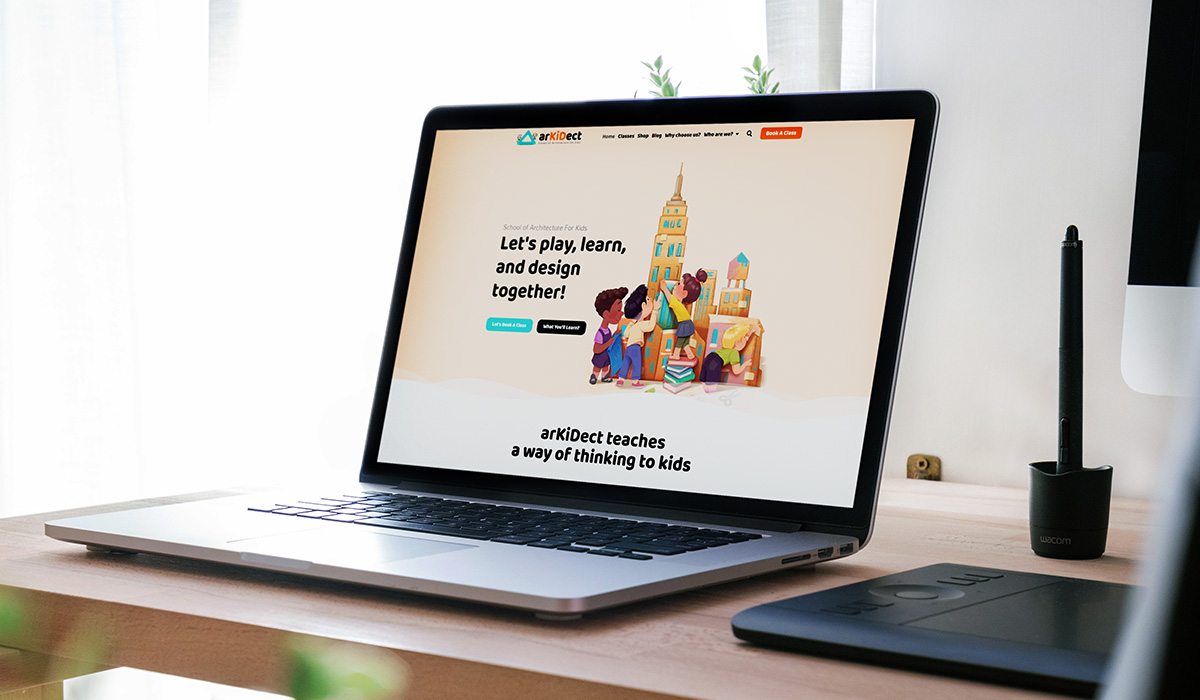
Many educators and parents find it challenging to engage children in meaningful problem solving activities that also hold their attention. Traditional approaches to teaching problem solving can feel abstract or disconnected from a child’s natural way of learning. This disconnect often results in missed opportunities to develop critical thinking skills early on and can leave professionals searching for tools that bridge play with purposeful learning, such as incorporating hands-on building experiences with construction toys. Notably, integrating such tools online adds another layer of complexity but offers promising access to interactive learning at home or in hybrid settings (digital literacy and skill development).
The key to better outcomes lies in understanding why these problems persist and exploring practical solutions that respect how children learn. Construction sets are more than just toys; they form a framework for learning problem solving through manipulation, design, and experimentation. As Gökçe Saygın, I see architecture education as a useful lens to view such activities — it encourages spatial reasoning and collaboration while promoting hands-on engagement. This article examines the common challenges professionals face, the reasons these issues remain, realistic actions to take, and the value of expert guidance in this learning process.
Key Points Worth Understanding
- Problem solving development requires active engagement and hands-on experience.
- Construction toys provide a tactile way to explore concepts that are often abstract in traditional education.
- Online learning with construction sets needs thoughtful integration to maintain interaction and focus.
- Supporting children’s spatial thinking and collaboration skills strengthens overall learning outcomes.
- Professional guidance can help parents and educators effectively implement building-based problem solving activities.
What challenges do educators and parents face with teaching problem solving?
One of the main difficulties is presenting problem solving in a way that feels relevant and accessible to children. Abstract explanations often fail to connect with how young learners naturally explore the world. Additionally, educators and parents may not have the resources or knowledge to use practical tools that encourage experimentation. These gaps lead to a reliance on passive learning methods, which can reduce motivation and limit skill development.
Why is hands-on learning important in problem solving?
Hands-on learning taps into children’s natural curiosity and allows them to test ideas physically, which strengthens understanding and retention. When building with construction sets, kids get immediate feedback on their choices, prompting reflection and adjustment. This trial-and-error process mirrors real-world problem solving more closely than theoretical approaches. It also nurtures fine motor skills and spatial awareness, foundational for many STEM fields.
Many professionals see hands-on activities as essential for bridging theory and practice. The tactile element of working with physical materials creates a tangible learning experience that helps children internalize concepts. Using construction toys specifically provides a structured yet open-ended way for kids to explore engineering and design principles without feeling constrained by formal instruction.
What role does technology and online learning play?
Online environments offer opportunities to expand access to problem solving resources but come with challenges in maintaining active participation. Without physical materials, children may struggle to stay engaged or miss the sensory benefits of hands-on work. Integrating construction sets into online programs requires creativity, such as encouraging families to have kits at home or using virtual design tools in tandem.
Professionals involved in remote or hybrid education must consider how to combine screen-based interaction with physical experiences optimally. When done well, online platforms can facilitate collaboration, share ideas, and provide guidance while children manipulate tangible materials offline. This blended approach can overcome accessibility issues and encourage consistent practice.
What resources do families and educators often lack?
Many homes and classrooms do not have sufficient sets or variety of building materials to support prolonged problem solving activities. Alongside physical constraints, there is sometimes limited understanding of how to use these toys as educational tools rather than just entertainment. Without expert advice or curriculum plans, adults may feel unsure about encouraging deeper exploration or scaffolding learning appropriately.
Cost and availability of quality construction sets can also be a barrier, especially when trying to implement them widely in educational settings. This underscores the need for practical strategies that balance accessibility, educational value, and engagement. Partnership with experienced instructors or curriculum developers can help fill these gaps effectively.

Why do problems in developing problem solving skills with construction toys continue?
Persistent challenges arise from a mismatch between traditional teaching methods and how children learn best through play and experimentation. Schools and families often prioritize standardized outcomes over exploratory learning, which can undermine opportunities to develop problem solving in context. Additionally, lack of training for educators in creative, hands-on approaches means these methods go underutilized or inconsistently applied.
How does the structure of education impact problem solving development?
Many educational systems emphasize memorization and isolated skills, leaving little time for collaborative or project-based learning centered on problem solving. This structure can discourage risk-taking and experimentation, which are crucial to building resilience and adaptive thinking. When construction toys are introduced, they may be treated as supplementary or recreational instead of core learning tools.
Changing this requires rethinking curricula to include active design and building challenges woven into subjects like math and science. However, systemic changes take time and resources, which means individual educators must often find creative ways to incorporate hands-on problem solving within existing constraints.
What misconceptions about construction toys limit their use?
Some adults view construction toys merely as playthings rather than educational resources, which leads to underestimating their potential for developing higher-order thinking. There’s a tendency to separate play from learning, which misses the cognitive benefits that arise when children build, test, and iterate. Educational policy and parental attitudes both influence how construction sets are valued and used.
Dispelling these misconceptions requires clear evidence and examples showing how construction sets foster planning, sequencing, spatial reasoning, and collaboration. Highlighting success stories from real educational programs can shift perceptions toward recognizing these toys as effective problem solving tools.
Why is adult guidance essential in learning with construction sets?
While children benefit from free play, adult facilitation enhances learning by framing challenges, asking reflective questions, and helping to connect experiences to broader concepts. Without guidance, children may become frustrated or miss opportunities to deepen understanding. Educators and parents act as mediators who support perseverance and scaffold skills progressively.
This dynamic also ensures that problem solving remains purposeful and aligned with developmental goals. When adults recognize teachable moments and encourage children’s curiosity, they help transform play into meaningful learning that stays with the child.
What does practical problem solving support through construction toys look like?
Effective support blends hands-on engagement with thoughtful adult interaction in an environment that encourages exploration. Problem solving activities with construction sets should invite open-ended challenges that allow multiple solutions rather than directing children toward a fixed answer. This approach fosters creativity and critical thinking alongside specific technical skills.
How can challenges be designed to promote learning?
Problems presented to children should be relevant to their interests and development level, with complexity increasing gradually. For instance, beginning with simple structures and progressing to stability or design constraints introduces deeper reasoning incrementally. Challenges can be individual or group-based to also cultivate social skills and communication.
Real-life examples include asking children to build a bridge that can support weight or a tower that resists tipping. These tasks require planning, testing, and revising, making abstract physical forces comprehensible. Adults can prompt reflection about what worked and why, linking the process to larger ideas in science and engineering.
What role does collaboration play in problem solving?
Working together around construction sets encourages children to articulate ideas, negotiate solutions, and build on each other’s thinking. Collaboration also introduces problem solving as a social practice rather than a solo endeavor, which reflects many real-world contexts. These group experiences help develop empathy, communication, and leadership.
Facilitated teamwork can involve roles or shared goals that require kids to coordinate their efforts. For example, building a model city or designing a playground challenges them to combine perspectives while applying design principles. The social aspect strengthens not only problem solving but also interpersonal development.
How can online learning incorporate these best practices?
Virtual or hybrid programs can supply instructional videos, design templates, and guided challenges while encouraging home or classroom hands-on work with construction sets. Regular live sessions or forums provide opportunities for sharing progress and receiving feedback, preserving the collaborative element. Sending kits in advance ensures equitable access to needed materials.
The key is balancing screen time with active building and reflection, so children experience problem solving fully rather than mostly watching demonstrations. Structured online platforms with adaptable content can meet diverse learners’ needs while supporting parent and teacher involvement.
What realistic steps can be taken to enhance problem solving using construction toys?
Begin by selecting age-appropriate and versatile construction sets that allow various types of building and modification. Encourage regular, low-pressure exploration sessions rather than one-off lessons. Adults should facilitate reflection with purposeful questions and celebrate creative attempts as part of the learning process (education funding options can help families access suitable materials).
How can families implement supportive routines?
Setting up a designated space where children can build comfortably and leave projects in progress fosters engagement. Integrating these activities alongside related subjects like math or science strengthens connections between hands-on work and academic content. Families could also schedule regular sharing times to discuss ideas and challenges.
Involving caregivers as co-learners models curiosity and persistence. Providing positive feedback focused on effort and process rather than just final outcomes encourages risk-taking. Over time, these routines build confidence and motivation.
What strategies help educators incorporate construction sets?
Teachers can integrate building challenges aligned with learning goals, using small groups to maintain focus. Developing clear instructions paired with open-ended goals allows students some autonomy while providing structure. Assessment can focus on problem solving approaches rather than perfect results.
Professional development in hands-on methodologies equips educators with ideas and confidence to use construction sets effectively. Sharing examples and lesson plans supports widespread adoption. Schools that prioritize design and creativity see improvements in student engagement and critical thinking scores.
How can communities and programs support broader access?
Community centers, afterschool programs, and libraries can offer building workshops or loan libraries for construction sets. Partnerships with local educators and makerspaces enhance resources and expertise. These initiatives provide equitable opportunities, especially where home access to materials is limited.
Programs might also train volunteers or parents to facilitate activities and provide guidance. Combining in-person and online options can reach diverse audiences, expanding the impact of problem solving education through play.
How can professional guidance aid parents and educators?
Experts in child development, education, and design can provide tailored advice on selecting appropriate construction sets and integrating them into daily routines. Consultants and coaches help identify learning objectives and design challenges that meet those goals without overwhelming children. Their support often includes modeling facilitation techniques and offering feedback.
What benefits do expert-led workshops offer?
Workshops for parents and teachers build understanding of developmental stages and practical strategies for encouraging problem solving. Participants gain confidence in using construction toys educationally and learn how to ask guiding questions. Group settings also allow sharing successes and challenges to refine approaches collaboratively.
Workshops often include hands-on practice, making abstract ideas concrete. This direct involvement prepares adults to create enriching learning environments beyond the sessions.
How can curriculum support integrate construction sets effectively?
Curriculum developers with design expertise create sequenced activities that progressively build skills using construction toys. These curricula connect play with academic standards and real-world applications, increasing both relevance and rigor. They include assessment tools that focus on process and reflection.
Schools and enrichment programs benefit from adopting established curricula, ensuring consistent quality and maximizing the educational value of construction sets. Such support helps educators implement problem solving exercises confidently and sustainably.
Where can families and educators find additional resources?
Online platforms dedicated to creative STEAM learning offer lesson plans, video tutorials, and community forums for advice and inspiration. Connecting with local maker groups or educational nonprofits provides access to expertise, materials, and peer support. These resources can be particularly useful for homeschooling families seeking structured yet flexible learning opportunities (home education assistance).
Professional networks enhance continuous learning for educators and caregivers, sharing new ideas informed by research and practice. Staying connected to these communities promotes innovation and effectiveness in problem solving education.
For families and educators interested in advancing hands-on problem solving skills for children, expert guidance and thoughtfully designed programs make a substantial difference. Engaging with recommended curricula and connecting to community resources enriches the learning experience beyond isolated play.
To explore how to integrate construction toys effectively in your learning environment or find support tailored to your needs, please visit arKIDect contact page to reach out.
Frequently Asked Questions
What age groups benefit most from construction sets for problem solving?
Construction sets can be adapted for various ages, from preschoolers developing fine motor skills to older children exploring complex structural concepts. The key is selecting toys with appropriate complexity and providing challenges suited to developmental levels.
How can I encourage my child to stick with difficult building challenges?
Encouragement focused on effort, praising persistence rather than just outcomes, helps children tolerate frustration and stick with problems. Breaking tasks into smaller steps and offering support also maintain motivation.
Are there online platforms that effectively support construction-based learning?
Some programs combine virtual collaboration and design tools with physical building kits to create blended learning experiences. Choosing platforms that emphasize interaction and provide clear instructions enhances effectiveness.
How do construction sets improve collaboration skills?
Working together on building projects requires children to communicate ideas, negotiate roles, and compromise on design choices. These interactions promote social skills alongside problem solving.
What should educators focus on when assessing problem solving using construction toys?
Assessments should emphasize the thinking process, creativity, and ability to adapt strategies rather than just the final structure. Observations and reflections provide meaningful insight into learning progress.