
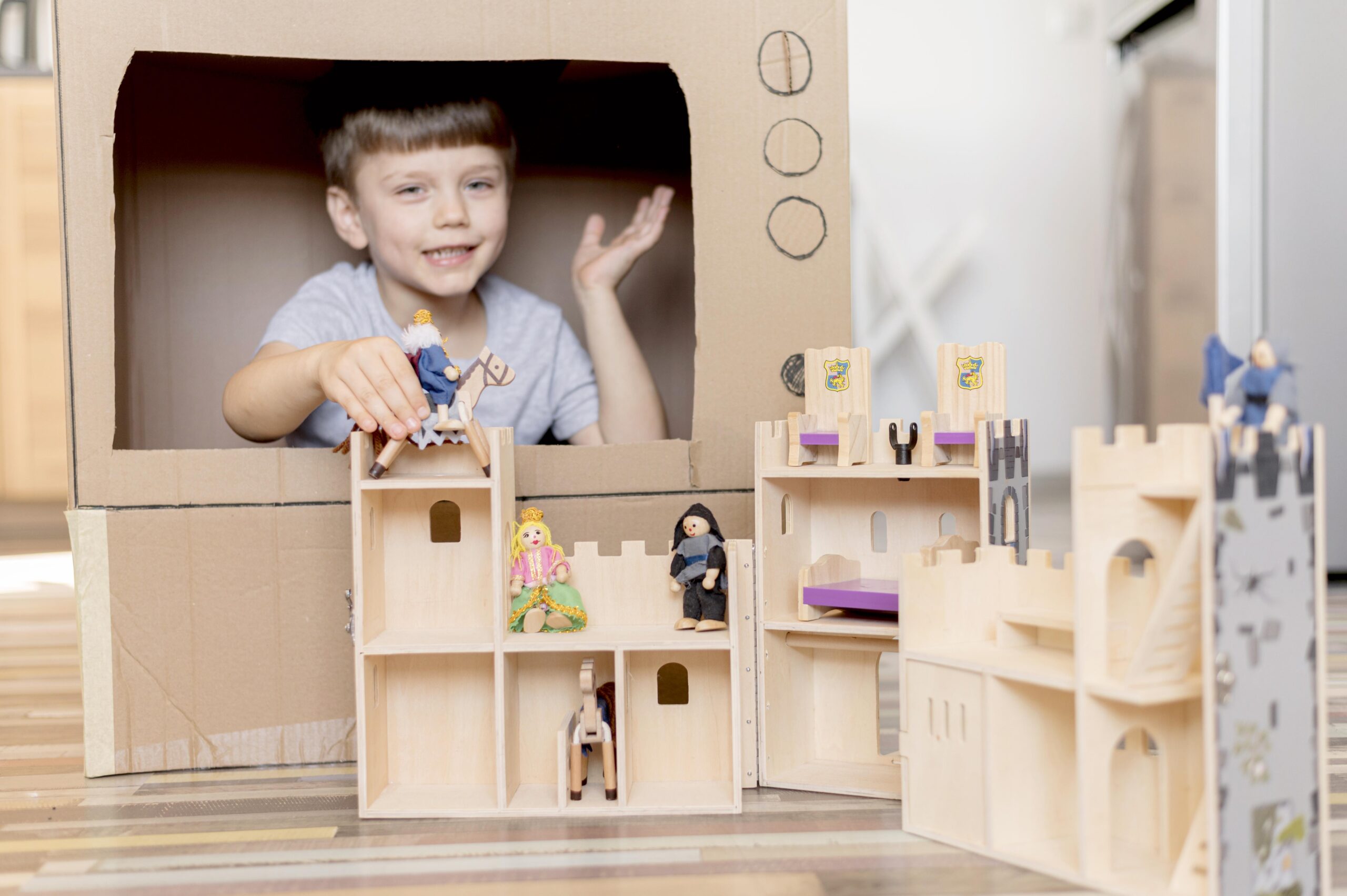
Many children and educators notice a gap when trying to find simple, hands-on architecture projects suitable for home that engage kids meaningfully. Often, parents and teachers are unsure where to start with basic materials that are safe, accessible, and effective for young learners. This challenge limits opportunities for kids to develop spatial thinking and design skills outside of formal environments like schools or specialized programs. For families seeking to nurture creativity and problem-solving through architecture, the confusion around appropriate project ideas creates a barrier.
Providing clear guidance on architecture activities that children can build at home using cardboard and tape helps address these concerns realistically. Such projects offer a low-cost, approachable way to explore fundamental design concepts while encouraging hands-on learning. As Gökçe Saygın, I see architecture education as a practical framework that supports children’s understanding of space and structure when adapted thoughtfully to home settings. This article shares project ideas with that goal in mind, combining creative play with educational value for ages 6 to 12.
Key Points Worth Understanding
- Using cardboard and tape challenges children to think about form, balance, and stability through physical building.
- Simple materials at home can effectively introduce basic architecture concepts without specialized tools.
- Projects appropriate for ages 6–12 must balance complexity with achievable steps to maintain engagement.
- Hands-on activities promote collaboration and problem-solving skills alongside creativity.
- Professional guidance can help tailor project complexity and learning goals to suit individual children’s needs.
What makes using cardboard and tape ideal for kids’ architecture projects at home
Cardboard and tape are widely accessible materials that provide a tactile and flexible medium for young learners to experiment with design and construction. These materials let children explore different shapes and structural ideas without requiring advanced skills or costly resources. Many educators recognize that such hands-on manipulation of materials builds foundational spatial reasoning abilities important for architecture and broader STEAM fields. The lightweight nature of cardboard makes it safe and manageable for children to cut, fold, and tape independently or with minimal supervision. In addition, using tape allows for quick assembly and adjustments during the creative process, making it less frustrating when ideas evolve. Exploring these materials encourages iterative thinking and practical problem-solving from an early age. I find that this combination gives kids room to express their ideas freely while learning about balance, form, and function in a very direct way.
How cardboard encourages exploration of architectural form
Cardboard’s versatility invites children to construct a variety of forms such as cubes, pyramids, and arches, connecting abstract concepts with physical models. Kids learn about dimensions, scale, and proportion by cutting and assembling flat pieces into three-dimensional structures. For example, creating a simple house shape introduces the idea of volume and enclosure, which are core architectural concepts. Because cardboard can be folded and shaped relatively easily, even younger children can experiment with different forms without feeling restricted by material limitations. This hands-on approach fosters a deeper understanding than drawing alone, as learners see how shapes occupy space tangibly. I have observed that physical models often spark questions and insights that lead to more thoughtful designs and experimentation.
Moreover, cardboard pieces can be reassembled or modified as children refine their ideas, which aligns well with the iterative nature of architectural design. This flexibility allows learners to recognize that making mistakes or changing strategies is part of the creative process rather than a failure. Through these interactions, children develop resilience and adaptability in their thinking. Understanding the potentials and constraints of cardboard helps set realistic expectations while encouraging innovation.
Why tape is a simple yet effective tool for young builders
Tape serves as a practical adhesive for connecting cardboard parts that kids can manage safely and independently. Unlike glue, tape bonds quickly without drying time, enabling continuous building momentum which is important for maintaining engagement among children. Its transparency or solidity provides different visual effects that can also teach about surface appearance and finishes. In my experience working with children, tape encourages experimentation as it allows easy correction or reconfiguration if a section needs adjustment. This instant feedback loop supports active problem solving during model making. The ability to join multiple pieces in varied orientations with tape further illustrates concepts like joint stability and connection methods foundational in architecture.
Additionally, tape enhances motor skills as children manipulate strips with precision to hold complex structures together. This action integrates fine motor development with cognitive tasks, providing a multi-dimensional learning experience. The choice of tape type (masking, duct, or clear) can also introduce vocabulary around construction materials and their properties. Overall, tape complements cardboard perfectly by offering an accessible solution to assembling and refining projects of varying scales.
How these materials align with developmental needs for ages 6 to 12
Children between 6 and 12 years are developing coordination, concentration, and logical thinking that benefit significantly from hands-on, construction-based activities. Using cardboard and tape meets several developmental milestones simultaneously: it nurtures spatial awareness, sequencing skills, and creative expression. Tasks can be scaled in difficulty to suit younger or older children within this range, allowing differentiated learning paths. Providing projects where kids measure, cut, and connect parts supports their growing ability to plan and execute complex tasks.
Engaging children in building with these materials also encourages patience and perseverance, as structures may need reinforcement or redesign. This experiential learning promotes growth mindsets and confidence in tackling challenges. From my experience working with children, I think projects that balance open-ended creativity with concrete goals are particularly effective in sustaining interest and fostering meaningful skill development. The tactile nature of cardboard and tape connects to sensory preferences common in this age group, making architecture activities accessible and enjoyable.
What common challenges can occur when children build architecture projects at home
Parents and educators often encounter issues when trying to support children’s architecture projects at home that stem from unclear project scope, limited materials, or insufficient guidance. Without proper examples or structure, young learners may feel overwhelmed or lose motivation if challenges seem insurmountable. Constraints in space and tools at home can also limit the types of designs children feel able to attempt. Such difficulties make it important to offer accessible project ideas with step-by-step instructions that encourage success and gradual skill building. This approach can increase children’s confidence and enthusiasm for architecture-related learning. Among common struggles, finding balance between freedom and structure is key to maintaining engagement and productive exploration.creative problem-solving skills often improve when children receive tasks that are challenging yet achievable with available resources.
Dealing with material limitations at home
Families may have limited quantities of cardboard or may not have specialized cutting tools, making ambitious designs harder to realize. Children could feel frustrated if they cannot complete their envisioned project or if models become unstable easily due to material weakness. These limitations call for projects designed specifically around minimal materials and basic household tools. For example, using recycled boxes or packaging helps maximize available resources while teaching sustainability. Introducing simple cutting and joining techniques that minimize waste and complexity eases the process for younger kids. Instructing children on how to reinforce structures with folded edges or layered cardboard also overcomes common stability issues. Clear expectations about what is possible with the materials at hand reduce frustration and encourage creative adaptation.
Aside from the physical materials, space constraints also influence project feasibility. Families living in small apartments may not have large work surfaces, so projects that can be assembled in sections or vertically save room and keep the environment manageable. Encouraging children to clean up and organize after building nurtures responsibility and care for their workspace. Adapting architecture activities to these realities supports positive experiences and sustained interest over time.
Maintaining focus and engagement in home settings
At home, distractions and competing interests reduce the time and attention children dedicate to architecture projects. Without a classroom routine or peer interaction, young learners may lose motivation or struggle to self-direct progress through multi-step tasks. Providing structured but flexible timelines and clear goals helps children organize work effectively. Parents can support engagement by participating in projects alongside kids or scheduling dedicated building sessions free of interruptions.
Setting incremental challenges and celebrating small achievements builds momentum and satisfaction. Visual progress tracking tools such as checklists or photo logs reinforce a sense of accomplishment. In addition, incorporating storytelling aspects into projects, like imagining functions or history behind a design, makes the work more meaningful and relatable. From my experience teaching children design thinking, such narrative elements increase attention span and deepen involvement by connecting tasks to personal interests. Encouraging peer sharing or virtual show-and-tell sessions can also simulate community aspects usually found in classroom settings, further motivating children.
Finding age-appropriate instructions and examples
Parents often report difficulty locating architecture project instructions that are clear and suitable for children aged 6 to 12. Many available resources tend toward extremes, either too simplistic and vague or too technical and complex. This mismatch can lead to frustration on both sides when children cannot follow directions or lack sufficient challenge to stay curious. Well-designed project guides balance detail with simplicity using visual aids, stepwise explanations, and defined learning goals aligned with age-specific cognitive and motor skills. Providing real examples of completed projects helps children understand expected outcomes and inspires iteration.
Guidance materials that integrate basic concepts such as symmetry, repetition, and modularity introduce architecture fundamentals in digestible segments. For instance, a project focusing on building a cardboard bridge can teach concepts of load distribution and span length in concrete ways. I consider it valuable when instructions encourage children to suggest variations or modifications rather than strictly replicate a model. This approach nurtures creativity and problem-solving, key drivers of sustained interest in architecture and design.
What are some practical cardboard and tape architecture projects kids can build at home
This section presents 10 hands-on architecture projects that children ages 6 to 12 can realistically create with cardboard and tape at home. Each project is intended to develop spatial awareness, structural understanding, and design skills at a suitable complexity level. The projects vary in form and function to hold diverse interests while progressively building expertise. Project ideas include houses, towers, bridges, and geometric shapes that encourage planning, measuring, and assembling. These tangible activities complement other creative learning opportunities and can be adapted for solo or group play. To provide further support for families preparing for arts-focused school applications, engaging in such projects strengthens skills aligned with competitive environments.building techniques for young learners introduced here form a foundation for more advanced pursuits.
Project 1 Building a simple cardboard house
This project introduces children to creating enclosed spaces by cutting and folding cardboard into walls and a roof. Kids begin by measuring and drawing rectangles and triangles on cardboard pieces to represent walls and the roof sections. Using safe scissors or craft knives under supervision, they cut out shapes and then tape the edges together to form the house structure. Incorporating doors and windows through cut-out openings or paper inserts adds creative detail and provides lessons on function within architectural design. This basic form teaches concepts such as enclosure, scale, and symmetry while encouraging children to visualize a three-dimensional object from two-dimensional parts.
To extend learning, children can decorate the house exterior and interior or create furniture from smaller cardboard pieces. This enhances an understanding of space use and contextual design considerations. Some kids enjoy experimenting with different roof styles such as flat, gabled, or curved, prompting discussion about structural implications. Adding vegetation or surroundings using craft materials enriches the imaginative environment, making the project more engaging. I find that this fundamental exercise offers a satisfying blend of geometric assembly and open-ended creativity that many children appreciate.
Project 2 Designing a cardboard bridge
The cardboard bridge project demonstrates engineering principles like load distribution and support through hands-on construction. Children begin by researching basic bridge types such as beam, arch, or suspension, using simple explanations suitable for their age. They then plan out a design that spans a small gap—this can be two chairs or a space between bookshelves—measuring dimensions accordingly. Cutting strips and shapes from cardboard, kids assemble the bridge frame using tape, focusing on creating stable joints and balanced supports. This process highlights structural integrity concepts while developing manual dexterity.
Testing the bridge by adding weight such as small toys or books allows children to observe how their design performs under stress. If the bridge sags or collapses, they can iterate on reinforcements or adjust shape, practicing problem-solving. This practical experimentation aligns with engineering thinking and introduces resilience in design. I see this activity as an effective introduction to combining creativity with logical analysis, essential for architecture learning. Sharing this project with peers can foster collaboration and friendly competition.
Project 3 Exploring geometric sculptures
Creating sculptures from geometric cardboard units encourages spatial visualization and abstract thinking. Children cut basic shapes such as squares, triangles, and pentagons to assemble polyhedrons or other three-dimensional forms. Using tape, they connect edges or vertices to build complex models like cubes, pyramids, or dodecahedrons. Working with these shapes teaches symmetry, angles, and relationships between surfaces, which underpin architectural geometry. The open-ended nature of sculpture building invites experimentation with patterns, balance, and proportion beyond representational forms.
This project also reinforces fine motor skills as precise alignment and taped connections are necessary for stable results. Displaying completed sculptures motivates children and gives tangible evidence of effort and skill. Including discussions about architecture examples where geometric forms appear, such as domes or lattice structures, helps contextualize their work. From my perspective, geometric model-making enhances visual intelligence and provides a playful yet educational outlet for exploring architectural ideas.
Project 4 Constructing towers with cardboard tubes and tape
Towers offer a vertical challenge that emphasizes height, balance, and structural support. Using both cardboard sheets and cardboard tubes (such as from paper towel rolls), children design and build free-standing towers. They experiment with different base shapes and internal supports, reinforcing with tape where necessary. The project teaches how wide bases and bracing contribute to stability, along with the relationship between mass and height. Iterating the design to achieve greater height without collapse strengthens understanding of engineering principles applied in architecture.
Children can personalize towers by adding decorative elements or imagining uses like observation decks or communication antennas. This project blends technical concepts with narrative play, sustaining interest. Moreover, it introduces concepts of modularity where repeating elements form larger stable structures. I observe that projects involving vertical construction encourage kids to plan carefully and consider real-world constraints, which supports growth in analytical thinking.
Project 5 Making a cardboard cityscape
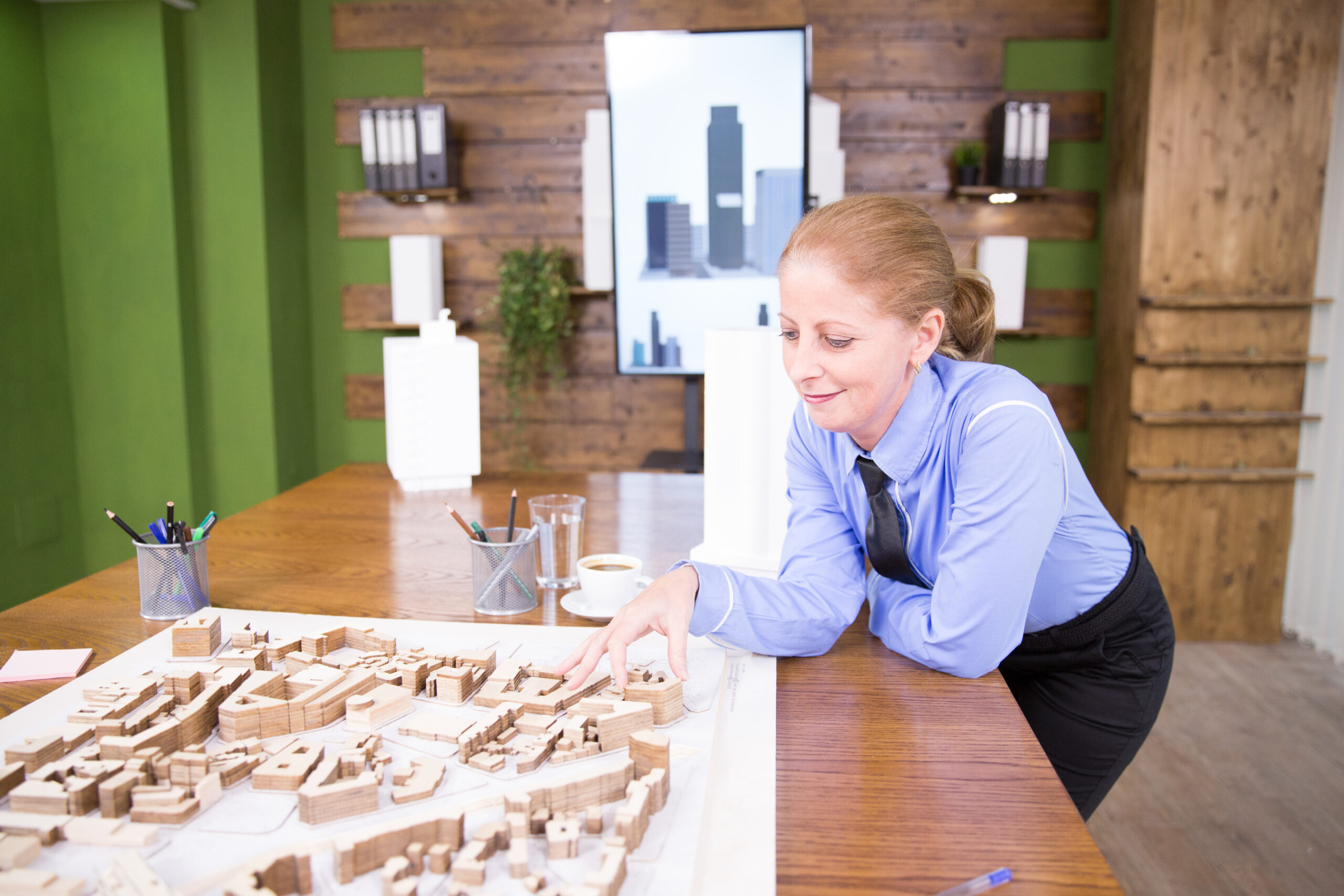
This project challenges children to create multiple buildings of various forms and sizes to assemble into a miniature cityscape. Kids plan layout, considering spacing, street width, and building diversity. Each structure involves cutting and assembling cardboard to represent houses, offices, towers, or cultural landmarks. Adding doors, windows, and rooftops enhances realism and detail. The collaborative nature of city-building promotes social skills when done in groups or with siblings. Through this exercise, children grasp urban planning basics and architectural variety, stimulating both creativity and spatial awareness.
Involving storytelling about who lives or works in the city connects design to human experience, teaching empathy through architecture. The project provides opportunities for integrating other materials such as paper or recycled objects for different textures. I find that combining imaginative scenography with hands-on building helps kids relate abstract concepts to everyday life, enriching their understanding of the built environment.
Project 6 Creating modular furniture models
Children can design small-scale furniture pieces like chairs, tables, or shelving units from cardboard to explore function and ergonomics. Using measured cardboard pieces, learners cut, fold, and tape components to resemble real furniture forms. This project extends knowledge about how functional objects occupy space and support users, linking architecture with interior design. It encourages attention to detail and proportion, with a focus on stability and aesthetics. Creating modular units teaches about repeatability and efficient use of space, important in architecture and product design.
Testing furniture models with small dolls or toys encourages usability considerations, such as scale and comfort. This tangible interaction promotes empathy and anticipatory thinking in design. I have observed that incorporating functional model-making resonates with children interested in design beyond building exteriors, highlighting the diverse possibilities within architecture-related projects.
Project 7 Constructing arches and vaults
Building arches and vaults with cardboard introduces children to curved structures that distribute weight effectively, a fundamental architectural principle. Learners cut precise segments and assemble them using tape to form stable curved shapes. This project helps develop fine cutting skills and patience, reinforcing spatial reasoning. Introducing the history and function of arches connects hands-on work to cultural heritage and engineering achievements. Creating simple vaults, like tunnel shapes, deepens tactile understanding of load transfer and enclosure.
Children experiment with different arch styles such as pointed or rounded, observing how angles affect strength. Repairing or reinforcing weak points teaches perseverance and problem-solving. This exploration fosters analytical skills essential for successful architectural practice. From my perspective, projects highlighting structural concepts balance creativity with scientific inquiry, offering valuable learning experiences.
Project 8 Designing and assembling roof types
Roof design projects educate children on architectural diversity and functional considerations related to climate and style. Kids construct models demonstrating flat, gabled, hipped, or domed roofs using cut cardboard pieces taped carefully to wall structures or simple boxes. This task requires measuring angles and connecting parts securely, enhancing geometric understanding. Discussing why roofs have different shapes depending on location or purpose integrates cultural and environmental awareness into architecture learning. Modifying roofs to include chimneys, skylights, or overhangs enriches creativity and detail orientation.
Children also learn about connecting planes and creating waterproof covers conceptually through these models. The project supports thinking about protection, shelter, and aesthetics simultaneously. I believe that engaging with functional architectural elements like roofs bridges practical application with imaginative design, deepening children’s appreciation of building complexity.
Project 9 Building bridges with suspension design elements
Developing simple suspension bridges from cardboard strips and tape introduces children to tension forces and cable-supported structures. Kids create towers from cardboard to anchor suspension cables made from tape or string and then attach a deck. This project requires planning precise measurements and balance to ensure the bridge holds weight. Testing with small objects demonstrates performance and inspires iterative improvements. Understanding suspension principles connects engineering and architecture concepts effectively.
Unlike simpler beam bridges, suspension bridges show how forces can be transferred efficiently using cables and tension. This introduces advanced ideas in an accessible way. Combining hands-on construction with observations about real-world bridges enhances learning relevance. I observe that diverse bridge-building projects develop flexible thinking and boost interest in civil engineering aspects of architecture.
Project 10 Creating cardboard models of famous buildings
Replicating or interpreting well-known buildings using cardboard and tape lets children relate to architectural history and global culture. Choosing iconic structures such as the Sydney Opera House or the Eiffel Tower provides motivation through recognizable forms. Learners study images and translate them into simplified cardboard models focusing on characteristic shapes and proportions. This project combines research, planning, and craftsmanship, creating a comprehensive design experience. Celebrating architectural diversity inspires children to appreciate the variety of world architecture styles.
Modifying famous building models with personal touches encourages creativity beyond copying while practicing attention to detail. Parents or educators can use this opportunity to introduce historical context and design significance. From what I witness in educational settings, such projects enhance cultural literacy and critical thinking alongside technical skills. Making connections between art, history, and architecture enriches the learning journey.
What steps can families and educators take to support home architecture projects
Effective architecture education at home benefits from realistic expectations, resource preparation, and ongoing support from adults or trained instructors. Parents can help by providing basic materials like cardboard, tape, scissors, and rulers easily available at home or local stores. Creating a designated workspace encourages organization and focus. Structuring time for building sessions with flexibility accommodates children’s moods and attention spans. Encouraging reflection on designs and sharing ideas promotes communication skills as well as design thinking. When possible, involving children in research about architectural concepts or styles adds depth and context. For families preparing for programs such as arKIDect, structured activities at home can strengthen readiness and confidence.guidance for young designers reinforces motivation and skill development during at-home exploration.
Setting realistic project goals and complexity
Basing project choices on children’s interests and abilities avoids overwhelm and frustration. Starting with simple structures and gradually increasing complexity supports incremental learning. Communicating clearly about what can be achieved with given materials and time frames helps align expectations. Allowing children autonomy to adjust or abandon ideas encourages ownership and creativity. Celebrating partial or experimental outcomes maintains enthusiasm and willingness to try again.
Parents can assist by breaking projects into manageable steps and monitoring progress gently without taking control. Recognizing the developmental stages for ages 6–12 informs appropriate challenges and scaffolding. Encouraging repeated attempts fosters resilience and an understanding of design iteration. I find that children respond positively to project structures that offer freedom within supportive boundaries, creating balance between guidance and independence.
Encouraging documentation and sharing of work
Promoting children to document their work through photos, sketches, or journals deepens learning reflection and communication. Sharing progress with family members or peers can build confidence and invite constructive feedback. Online platforms or local groups focused on children’s design work provide external audiences that validate effort and encourage improvement. Documentation also creates a record of growth over time, useful for programs requiring portfolios or presentations. Involving children in discussing their design decisions enhances verbal articulation of thought processes.
Parents can support this by helping organize materials or facilitating conversations about challenges and successes. Reflective questions such as “What worked well?” or “What would you do differently?” stimulate thoughtful evaluation. I consider documentation an essential part of architecture education, encouraging metacognition and continuous learning.
Seeking professional guidance and community support
Families interested in deeper architecture learning for children benefit from expert instruction and structured programs that provide curriculum, feedback, and peer interaction. Programs like arKIDect offer age-appropriate challenges, model projects, and coaching that reinforce skills developed at home. This professional support bridges knowledge gaps and motivates children through guided discovery. Additionally, connecting with local or online communities focused on architecture education creates social learning environments that sustain engagement and inspiration. Access to mentors helps children navigate design problems with confidence.
Parents can inquire about trial classes, workshops, or afterschool programs in their area to complement home projects. Professional guidance also aids in preparing children for specialized school applications and portfolios. As Gökçe Saygın, I believe that blending home-based exploration with educational program participation prepares children effectively for future creative opportunities. This holistic approach nurtures skill development while adapting to individual needs and circumstances.
For families seeking additional help or tailored advice on supporting children’s architecture learning at home, contacting experienced educators is a practical next step. Engaging with resources and experts ensures projects align with developmental goals and maintain interest. Contacting arKIDect professionals provides opportunities to explore personalized support and program options suited to your child’s growth.
For those interested in enhancing their child’s creative and spatial skills through architecture-based projects and guided programs, exploring relevant articles on arKIDect.org offers valuable insights. Resources covering timing for specialized learning, project ideas, and preparation for arts school applications are available to assist parents and educators in making informed decisions tailored to Miami-area families.
Frequently Asked Questions
What age groups are suitable for these cardboard and tape architecture projects?
These projects are designed primarily for children aged 6 to 12, matching developmental skills such as fine motor coordination, spatial reasoning, and basic design understanding. Activities balance simplicity with opportunities for creativity to keep different age levels engaged. Younger kids may require more adult support with cutting or measuring, while older children can handle more complex shapes and designs independently.
Are the architecture activities suitable for beginners with no prior experience?
Yes, the projects offer step-by-step guidance and start from fundamental concepts, making them accessible to children new to architecture and building. Instructions encourage experimentation without requiring advanced skills. Emphasis on hands-on learning and gradual complexity supports confidence-building for beginners.
Where can families in Miami or Sunny Isles Beach find architecture classes to supplement home learning?
Local programs like arKIDect in the Miami and Sunny Isles Beach area provide structured summer camps, afterschool classes, and workshops focusing on architecture education. These offer age-appropriate curriculum and professional instructor guidance to complement home projects, enriching learning experiences within the community.
Do these projects help children develop skills relevant to STEAM education?
Absolutely. Working with cardboard and tape on architecture models promotes spatial reasoning, engineering thinking, creativity, and problem-solving—all integral to STEAM disciplines. Projects integrate math, design, and hands-on construction, supporting cross-disciplinary skill development that benefits academic and personal growth.
Are the home projects group-based or individual activities?
The projects are adaptable for both individual and small group settings. Children can work alone to develop personal skills or collaborate with siblings and friends to build larger models. Group work encourages communication, cooperation, and shared problem-solving, valuable for social and learning development.


