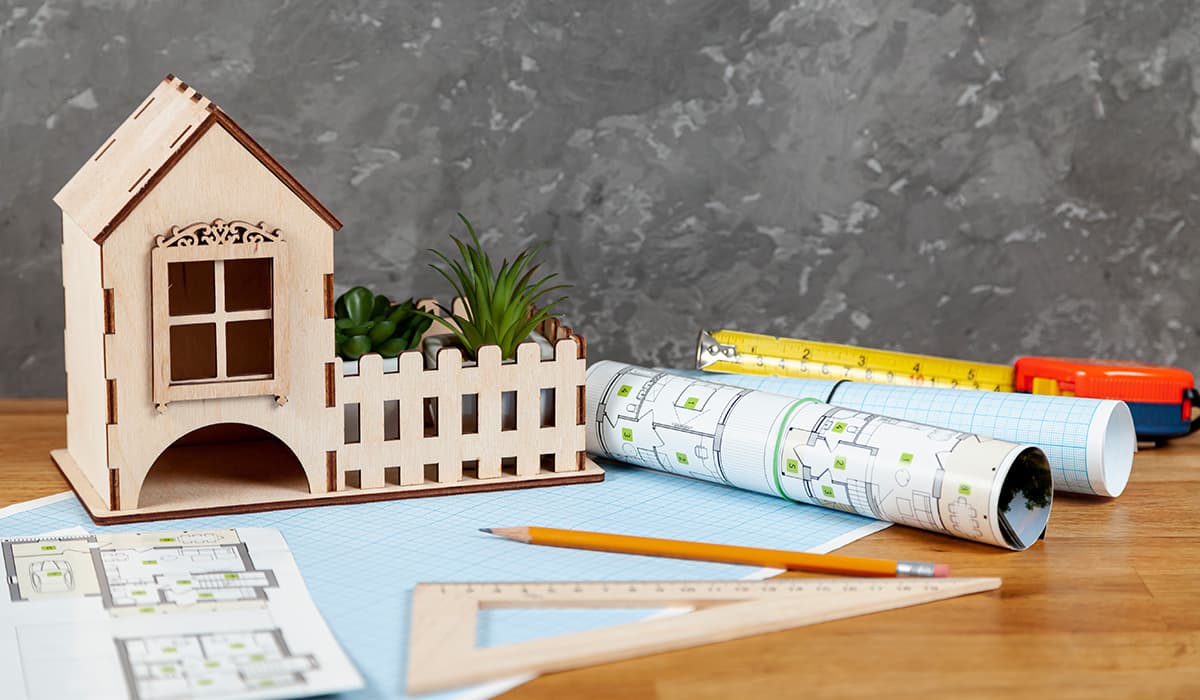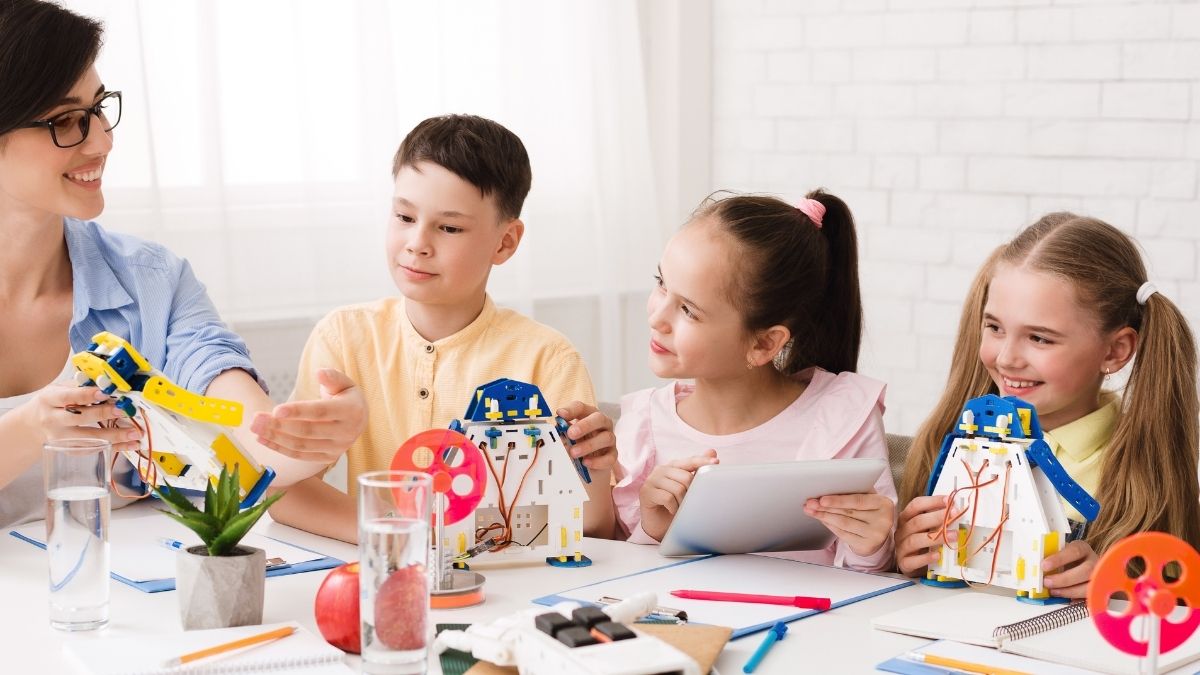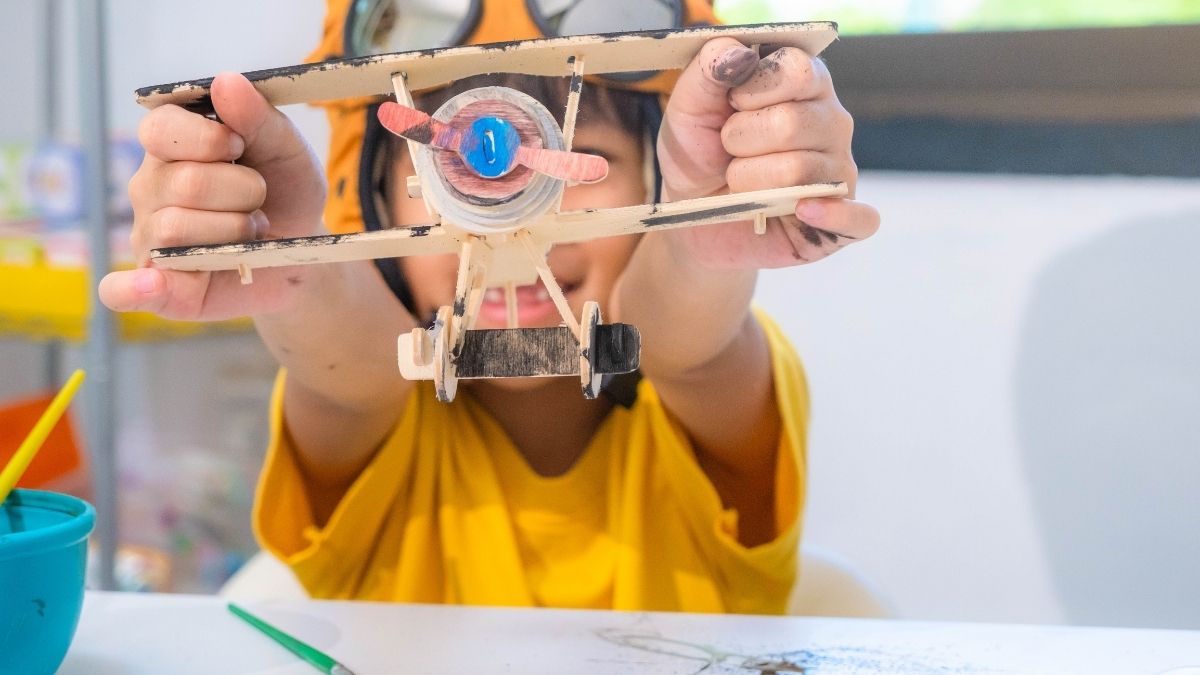
Design professionals and companies often grapple with the challenge of maintaining innovation while navigating inevitable setbacks and unexpected errors in their projects. These mistakes can delay timelines, increase costs, and sometimes affect team morale, making it difficult to sustain a productive work environment. This tension between the desire for flawless outcomes and the reality of trial-and-error shapes many creative processes, especially in fields like architecture and design. For example, hands-on activities such as building structural models illustrate how early learning incorporates both success and failure as part of understanding complex concepts.
Understanding how to transform errors into valuable learning experiences is central to fostering resilience within design teams and individual learners. Clarity on this process helps educators and parents support children better by emphasizing experimentation over perfection. From my experience working with children, I think developing a mindset where mistakes are integral to progress is one of the most important skills design education can nurture. This perspective naturally aligns with design-based learning approaches that emphasize reflection, iteration, and practical problem solving.
Key Points Worth Understanding
- Errors in design work often stem from complexity and unpredictability rather than lack of skill.
- Growth mindset development is key to turning design challenges into learning opportunities.
- Practical solutions include structured reflection and incremental experimentation.
- Realistic actions involve fostering supportive environments and encouraging risk-taking.
- Professional guidance helps children and learners build confidence in their creative process.
What are common challenges faced in creative design work that involve mistakes?
Working in creative design, professionals frequently encounter unexpected problems that result in outcomes falling short of initial plans or standards. These issues can range from technical errors in models to communication breakdowns within teams, each introducing setbacks. Such challenges can stall projects and sometimes affect confidence for both individuals and groups. For educators and program coordinators, providing children with opportunities to experience and learn from these difficulties is essential to prepare them for real-world design experiences.
How do technical mistakes disrupt project flow in design settings?
Technical mistakes, like structural miscalculations or material failures, often cause delays that require redesign and rework. These errors highlight the gap between theoretical knowledge and practical application, especially in complex tasks. When mistakes emerge in prototypes or models, teams need to analyze and iterate on their designs, which demands patience and adaptability. In education, incorporating hands-on tasks that mimic these real scenarios helps children understand the importance of trial and error as part of the process.
Educators can also use these moments to illustrate concepts such as problem-solving and troubleshooting, which are valuable beyond design fields. Experiencing setbacks in a controlled learning environment allows children to build resilience and confidence for future challenges. This approach supports a shift from fearing failure to embracing it as an opportunity to refine skills and deepen understanding.
Why do communication issues compound mistakes in collaborative design?
In team environments, unclear communication about goals, roles, or feedback can magnify the impact of mistakes. When team members do not share the same expectations or information, errors may go unnoticed or be improperly addressed. This gap often leads to frustration and diminished morale, which in turn affects productivity. Teaching children effective communication strategies alongside design activities prepares them for collaborative problem solving where transparent dialogue is essential.
Facilitators can model and encourage active listening, sharing constructive feedback, and clarifying instructions to reduce misunderstandings. When children learn to discuss mistakes openly, they develop not only technical skills but also social competencies that support group work. These skills are critical for sustaining resilience during challenging phases of any project.
How does pressure for perfection hinder the learning process in design?
Perfectionism creates barriers by discouraging risk-taking and experimentation, both vital components of creative work. When learners focus primarily on avoiding errors rather than exploring ideas, their growth becomes limited. This pressure can stem from external expectations or internalized beliefs about how work should appear. In contrast, emphasizing a growth mindset helps children see mistakes as natural and necessary steps toward improvement.
To counter perfectionist tendencies, educators can design challenges that reward iteration and problem solving more than flawless results. This encouragement helps children develop curiosity and flexibility, traits that enhance both creativity and resilience. A balanced approach fosters deeper engagement and reduces fear of failure, leading to more meaningful learning experiences.
Why do mistakes continue to be viewed negatively despite their educational value?
Many professional and educational cultures still treat mistakes as signs of poor performance rather than opportunities for growth. This mindset endures because of longstanding norms emphasizing precision and accountability. In the design industry, tight budgets and client demands can intensify these pressures, making mistakes costly or stigmatized. Similarly, children may internalize negative views of failure based on past feedback or standards in their environments.
What societal factors reinforce the stigma around making mistakes?
Social norms often prioritize success and flawless execution, leading to an environment where error is equated with weakness or incompetence. These attitudes can discourage experimentation, as individuals fear judgment or repercussions. In education, standardized assessments and grading systems may unintentionally reinforce these views by focusing on correct answers rather than learning processes. Overcoming such stigma requires intentional cultural shifts that redefine what success looks like.
When adults model constructive responses to mistakes and emphasize learning over penalties, it helps normalize imperfection. This modeling is crucial for children developing their self-perceptions and approach to challenges. By seeing mistakes as part of shared experiences rather than individual failings, learners gain the confidence to persist through difficulties.
How do company structures contribute to fear of failure in design projects?
Organizational hierarchies and rigid workflows can make it difficult to openly address mistakes without blame. In environments where accountability is tightly tied to individual roles, admitting errors might risk career progression or team relationships. These dynamics discourage risk-taking, leading to safer but less innovative outcomes. Companies that prioritize learning mindsets and psychological safety foster resilience by encouraging transparent discussions about challenges and failures.
In educational contexts, creating low-stakes settings encourages children to experiment freely without fear of harsh judgement. This safe space promotes risk-taking vital for creative thinking while also building skills to analyze setbacks constructively. Design thinking frameworks often incorporate these principles, supporting progressive development of resilience.
Why is early intervention important to change attitudes toward mistakes?
Shaping attitudes about mistakes during childhood has lasting effects on motivation, creativity, and problem-solving abilities. If children consistently experience negative responses to errors, they may avoid challenges or give up easily. Introducing thoughtful guidance around mistakes early prevents these limiting beliefs and lays a foundation for resilient learning. Schools and afterschool programs play key roles in establishing supportive norms around risk and experimentation.
Practical efforts include embedding reflection activities, discussing famous design failures that led to success, and re-framing errors as data points. These strategies help normalize the iterative nature of design and reinforce the value of persistence. As Gökçe Saygın, I see architecture education as a natural context for cultivating these attitudes because it inherently involves trial and revision.
What practical approaches support resilience through design challenges for children?
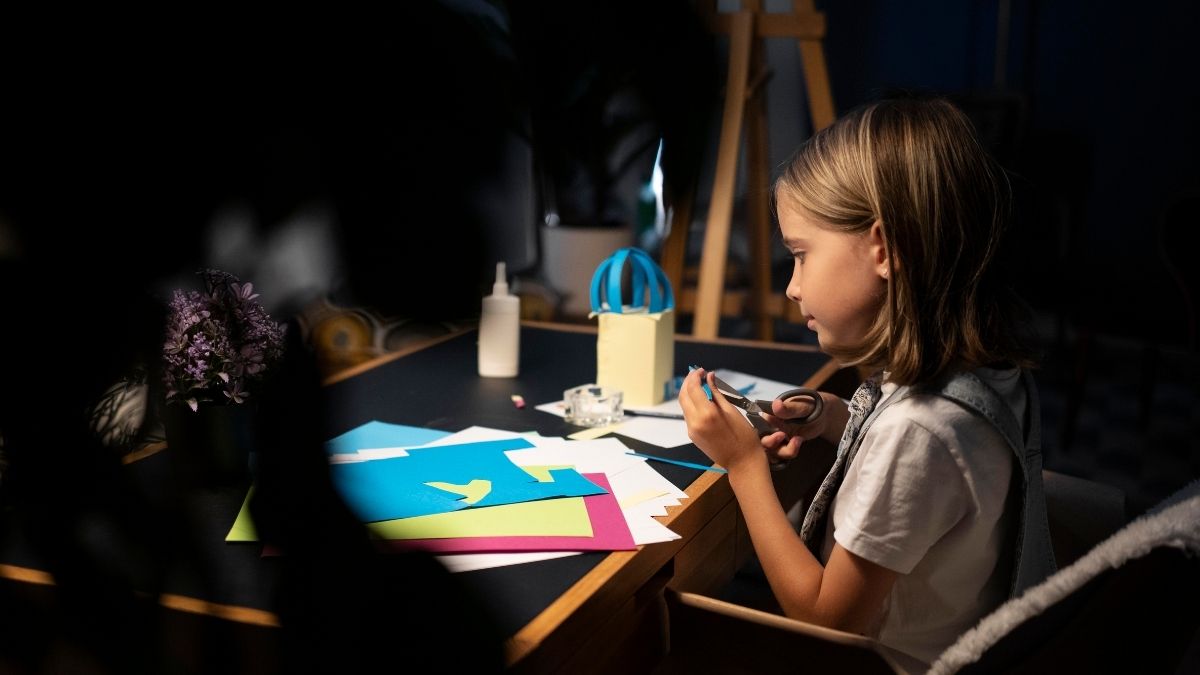
Design challenges that emphasize flexibility and reflection help children learn to convert obstacles into learning opportunities. Structuring activities around iterative cycles encourages trying out ideas, seeing what works or doesn’t, and making improvements. This hands-on process helps develop the growth mindset by framing mistakes as essential steps rather than failures. For instance, encouraging younger learners to experiment with building materials and redesign based on observations highlights this approach in action.
How can educators design challenges to encourage productive failure?
Setting clear goals focusing on exploration rather than just correct results opens space for experimentation and learning from errors. Educators can incorporate checkpoints where children assess their progress, identify what didn’t go as planned, and brainstorm alternative solutions. This structure models how professional designers revise plans continuously. Celebrating these reflective moments reinforces that mistakes bring insight and skill development.
Hands-on tasks that include easily modifiable materials, like cardboard or clay, allow learners to adjust quickly without frustration. This adaptability keeps children engaged and reduces the fear of wasting effort. Practical examples such as model bridge building allow repeated testing and fine-tuning, illustrating iteration in a tangible way.
What role does feedback play in teaching resilience during design projects?
Constructive feedback provides specific observations and suggestions that guide learners to understand mistakes without discouragement. It helps children separate self-worth from outcome and focus on continuous improvement. Teachers and mentors should emphasize process-oriented comments rather than only final product evaluation. This approach fosters a mindset attentive to progress and what can be learned next.
Peer feedback can also promote resilience by encouraging collaborative problem solving and varied perspectives. Group discussions about challenges faced during design tasks allow children to see that obstacles are common and manageable. When feedback loops become regular and normalized, they support a growth mindset that endures beyond individual projects.
How can parents support children’s resilience through creative design at home?
Parents can encourage experimentation by providing varied materials and framing mistakes as interesting discoveries rather than problems. Showing willingness to try new ideas together models a positive attitude toward challenges. Asking open-ended questions about what children notice in their designs and what they would change next helps build self-reflection skills. Keeping activities playful rather than overly goal-driven maintains motivation and reduces perfectionism.
Including design challenges in everyday routines—such as building with household items or creating stories around constructions—expands opportunities for learning through doing. As children see repeated cycles of making, testing, and revising, they internalize resilience as a natural part of creativity. Families also benefit from resources that connect these experiences to broader concepts of design thinking and problem solving.
What realistic actions can educators and parents take now to nurture growth mindset?
Introducing regular project-based activities that prioritize process over product helps children practice resilience in manageable ways. Workshops or afterschool programs featuring creative challenges offer structured opportunities for this learning. Using guided reflection prompts prompts children to articulate their experiences with setbacks and what they’ve gained. These methodologies align with approaches found in afterschool enrichment programs that promote hands-on learning.
How can incremental goal setting make challenges less intimidating for learners?
Breaking larger projects into smaller steps helps children focus on achievable tasks and reduces overwhelm. Success in these small actions builds momentum and reinforces confidence. Educators may scaffold tasks by introducing more complex problems gradually, adjusting support as skills develop. This pacing allows learners to experience steady accomplishment while recognizing that refinement and mistakes are part of growth.
In classrooms and home settings, incorporating reflections after each phase encourages children to identify what was successful and what to improve. This routine builds awareness of the learning cycle and normalizes revision. It also prepares children to interpret setbacks as data points rather than final judgments.
What are simple ways to create a supportive environment for risk-taking?
Creating a safe atmosphere involves reassuring children that errors won’t lead to criticism or punishment. Language matters—praising effort, curiosity, and perseverance rather than innate talent shifts attention to controllable factors. Visible examples of famous designs that initially failed and later succeeded demonstrate resilience in practice. Adults modeling patience and openness when things don’t go as planned further reinforce this culture.
At home, setting up flexible spaces where trial and error are welcomed encourages exploration. Schools can establish guidelines emphasizing teamwork and collective problem solving, allowing learners to feel supported. These environments help learners develop autonomy and confidence concurrently, essential components of a growth mindset.
How can technology support resilient learning in design?
Technology tools such as simple 3D modeling software or digital storytelling apps allow children to test ideas and easily modify them without physical constraints. These platforms encourage experimentation in a low-pressure setting and provide immediate feedback. Integrating educational technology into design tasks bridges creative expression with technical skills. For children learning from home, such digital resources can supplement physical projects effectively.
For example, combining digital design with hands-on building mirrors professional practices and fosters problem-solving agility. Programs designed to be child-friendly accommodate developmental needs while challenging learners appropriately. This hybrid approach supports comprehensive learning and builds resilience as children navigate different formats of trial and improvement.
How do professionals guide children to reach resilience through design education?
Experienced educators and instructors play critical roles in shaping children’s understanding of mistakes within design processes. They provide frameworks that support reflection, encourage adaptive thinking, and model constructive responses to challenges. Expert guidance helps translate abstract ideas about growth mindset into concrete experiences children can relate to. In structured programs, such support sustains engagement and deepens skill development.
What strategies do instructors use to teach growth mindset through design?
Instructors often incorporate iterative project cycles where learners present, critique, and revise their work systematically. They use stories from the design world to illustrate how persistence led to innovation. These educators ask probing questions that prompt children to analyze setbacks and explore alternative approaches. They also recognize individual progress and effort, reinforcing positive attitudes toward risk and failure.
By creating communities of learners who share challenges openly, teachers cultivate a culture of mutual support and curiosity. Peer collaboration complements adult facilitation, allowing children to learn resilience not only from mentors but also from one another. This dynamic environment encourages continuous exploration and confidence.
How does professional development for educators impact resilience teaching?
Educators who receive training on fostering growth mindset and design thinking are better equipped to implement these concepts effectively. Professional development provides tools for managing classroom dynamics, scaffolding complex tasks, and integrating reflection routines. It also helps instructors recognize and address barriers such as perfectionism or fear of failure. Well-prepared teachers can create environments where resilience flourishes naturally.
Ongoing support networks and resources keep educators informed about best practices and emerging strategies. This professional learning feeds directly into the quality of instruction and student experience. As Gökçe Saygın, I believe that modeling resilience starts with adults; trained educators set the tone for children’s learning by demonstrating a balanced approach to challenges.
How do expert-guided programs complement home learning?
Professional programs add value by providing structure, expertise, and feedback that might be less accessible at home. They offer rich, hands-on opportunities where mistakes can be navigated safely and reflectively. These environments also connect children with peers facing similar challenges, building social skills alongside creative thinking. Programs like those supported by Step Up scholarships help families access quality design education that reinforces resilience through practice.
For parents and educators seeking to embed growth mindset themes consistently, expert-led guidance ensures foundational principles are maintained. These experiences complement informal home projects by emphasizing process, iteration, and collaboration systematically. Together, professional and home learning create a comprehensive framework supporting children’s resilience development.
If you are interested in learning more about how to effectively integrate these ideas into your child’s learning journey or educational program, please contact arKIDect for guidance and resources tailored to your needs.
Combining these insights with practical application can help children see mistakes not as failures, but as opportunities for growth, transforming challenges into creative achievements.
Frequently Asked Questions
Why is it important for children to learn resilience through design challenges?
Learning resilience through design challenges prepares children to handle setbacks constructively. It helps them understand that mistakes are part of learning and fosters persistence and problem-solving skills essential for creative and academic growth.
How can design education help develop a growth mindset?
Design education encourages trying multiple solutions and learning from feedback. This iterative process aligns closely with growth mindset principles by reinforcing effort and improvement rather than innate ability.
What are effective ways to support children who fear making mistakes?
Creating safe, low-pressure environments and praising effort over perfect outcomes helps reduce fear. Encouraging reflection on what can be learned from errors further supports children in overcoming anxiety about mistakes.
Can technology be used to teach resilience in design?
Yes, digital tools enable easy editing, testing, and revising ideas, allowing children to experiment without permanent consequences. These features promote risk-taking and adaptability, important aspects of resilience.
How can parents reinforce growth mindset concepts at home?
Parents can model positive responses to mistakes, provide opportunities for creative play involving trial and error, and engage children in discussions about learning processes rather than just results.