Many parents and educators face the challenge of conveying fundamental physics concepts in a way that feels accessible and engaging for children at home. Abstract explanations can easily lose the interest of young learners who benefit more from active participation and tangible experiences. This gap between theory and practice often leaves families searching for methods that connect scientific ideas with meaningful activities. For those looking to enhance their home education approach, developing structural models offers a straightforward way to bridge this divide while fostering critical thinking. Such hands-on projects align well with methods that encourage self-directed learning, as shown in approaches discussed in self-directed educational settings.
In this article, I will outline the common challenges professionals and families encounter when teaching physics at home through model building. We’ll examine why these difficulties continue and explore realistic, practical approaches to overcome them by creating structures that demonstrate basic principles of stability and forces. The goal is to provide clear, actionable ideas that fit within everyday living spaces, supporting both parents and educators through informed guidance. As Gökçe Saygın, I see architecture education as a practical lens to view physics concepts, especially when children engage in building and testing physical models themselves.
Key Points Worth Understanding
- Many children grasp physics concepts better when they physically manipulate models rather than just listen to explanations.
- Home environments can offer effective learning spaces with simple materials and clear project goals.
- Structural stability is a foundational physics concept that can be observed directly through small-scale building activities.
- Support and guidance from experienced educators greatly enhance the learning impact of hands-on physics at home.
- Integrating creativity with logical reasoning supports both scientific understanding and problem-solving skills.
What challenges do parents and educators face when teaching physics through models at home?
A frequent challenge lies in translating physics concepts into hands-on activities that children can safely and effectively do in limited home settings. Many physics ideas, such as forces and balance, may initially seem too abstract or complicated without appropriate examples. Parents often struggle to find resources or instructions that fit within their time and material constraints. Without meaningful context or direct application, children may quickly lose interest or fail to connect the activities with the underlying science. This difficulty echoes challenges seen in other STEM teaching areas, especially when trying to integrate creative arts alongside technical skills, as elaborated in discussions about combining creativity with logical thinking.
Why are physics concepts hard to simplify for home education?
Physics often involves abstract ideas, like forces, motion, and structural balance, which require visualization and sometimes measurement tools to fully grasp. Simplifying these topics demands clear demonstrations and relatable models to make the principles tangible. However, limited access to specialized tools or materials at home constrains possibilities compared to formal classrooms or labs. This gap makes it difficult for non-specialist parents to design lessons that feel authentic and not overly simplified.
Additionally, typical physics teaching relies heavily on sequential experiments with controlled variables, which are harder to replicate in informal settings. The unpredictability of home environments means lessons must adapt dynamically to children’s interests and available supplies. Many tutorials found online lack integration into broader learning goals, reducing their educational coherence. This can discourage caregivers who want purposeful activities but lack confidence in science content or instructional design.
How do limited materials affect the learning experience?
Many homes lack conventional lab equipment, so parents need to improvise with everyday items like paper, straws, tape, or recycled materials. The quality and diversity of these materials directly impact the range and depth of physics models children can build. When tools are limited, demonstrations of forces or structural concepts often simplify to the point of losing meaningful nuances. This can lead to misconceptions or incomplete understanding of physical behaviors.
However, restricting material variety also encourages creativity and resourcefulness. Children often invent new ways to test ideas or reinforce structures using what they have. Finding balance between-material limitation and scientific accuracy is crucial for productive learning. Guidance from educators who understand these constraints helps families select the most effective projects for their situation.
What role does motivation play in sustained learning at home?
Maintaining a child’s motivation for ongoing physics exploration is challenging without group settings or professional oversight. Learning physics concepts requires curiosity and perseverance, so enthusiasm must be nurtured carefully. Repetitive or overly difficult tasks risk discouraging young learners quickly. Supporting independent investigation while offering structured challenges helps sustain engagement.
Parents and educators report success when activities connect to children’s natural interests and real-world observations. Projects that allow kids to see their progress immediately through physical models tend to boost confidence. Encouraging problem-solving through trial and error creates a positive cycle of curiosity and learning stamina. This motivation aspect aligns closely with methods that empower children to lead their own projects, as discussed in resources on motivating self-directed learning.
Why do these challenges continue despite available resources?
Even with many educational materials accessible online or through programs, families face practical barriers in applying them effectively. Instructions often assume a baseline of subject knowledge or access to ideal materials that do not match most home settings. The gap between theoretical content and hands-on usability remains wide. Without contextual support, such as educator guidance or localized adaptations, resources alone are insufficient to overcome these obstacles.
Why are instructions often not suited for diverse home situations?
Many educational kits or tutorials come designed for classroom environments where facilitators provide real-time explanations and adjustments. At home, parents may lack the science background or time to interpret and modify lessons for their children’s pace and abilities. This leads to frustration or incomplete implementation. Furthermore, cultural and spatial differences across homes demand flexible lesson design that typical resources rarely accommodate.
In my experience, tailoring projects to fit living room spaces and common household items requires thoughtful step-by-step planning not always present in commercial kits. Customizing the learning path based on the child’s curiosity and developmental stage increases success. Unfortunately, this approach demands more preparation and educational insight from caregivers.
How does lack of professional support affect home physics education?
Parents often feel uncertain when addressing questions that arise from hands-on experiments. Without access to educators who can provide immediate explanations or troubleshooting, children’s confusion may go unaddressed. This can quickly diminish interest and learning outcomes. Professional support offers not only content clarity but also encouragement and scaffolding making complex topics manageable.
Although some families join virtual communities or use video lessons, these solutions do not always replicate responsive engagement. Personal guidance adapted to the child’s questions and observations strengthens conceptual connections. Accessing tailored expert support can significantly close gaps in understanding and maintain learner motivation. Such benefits are evident in programs dedicated to linking science with design, where expert coaching enriches at-home experiences.
What obstacles prevent consistent application of physics projects at home?
Daily schedules, competing priorities, and the effort required to plan and gather materials pose notable difficulties for families. Physics projects that seem promising initially may be postponed indefinitely. Without an established routine or clear objectives, the momentum to continue exploratory activities wanes. This inconsistency limits opportunities for depth and reinforcement essential for mastering concepts.
Additionally, home learners might face limited peer interaction, reducing collaborative problem-solving chances. Social elements often enhance engagement and confidence in tackling challenges. Overcoming these hurdles involves integrating lessons seamlessly into everyday routines and balancing group learning opportunities when possible. Recognizing these factors helps families design sustainable learning plans.
What do practical solutions for teaching physics with models at home involve?
Effective approaches focus on simplicity, relevance, and engagement. Choosing a small set of accessible materials combined with clear tasks creates manageable projects that illustrate physics principles like force, balance, and stability. Projects encouraging experimentation and iteration resonate with children’s natural play instincts. Structuring activities around real-world problems helps children see the value of what they are building.
What materials work best for living room physics projects?
Common household items like popsicle sticks, straws, cardboard, tape, string, and recycled boxes provide versatile sources for structural modeling. These materials are generally safe, affordable, and easy to manipulate. For example, straws can represent beams in a truss, while cardboard serves as a base or platform. Using such supplies makes projects accessible without requiring specialized purchases.
Choosing materials that allow for repeated assembly and disassembly supports iterative learning. Children can adjust and improve their designs based on observations of stability or strength. This hands-on feedback loop reinforces understanding of physical forces. When possible, combining materials with simple measuring tools introduces quantitative thinking too.
How can project designs foster clear physics connections?
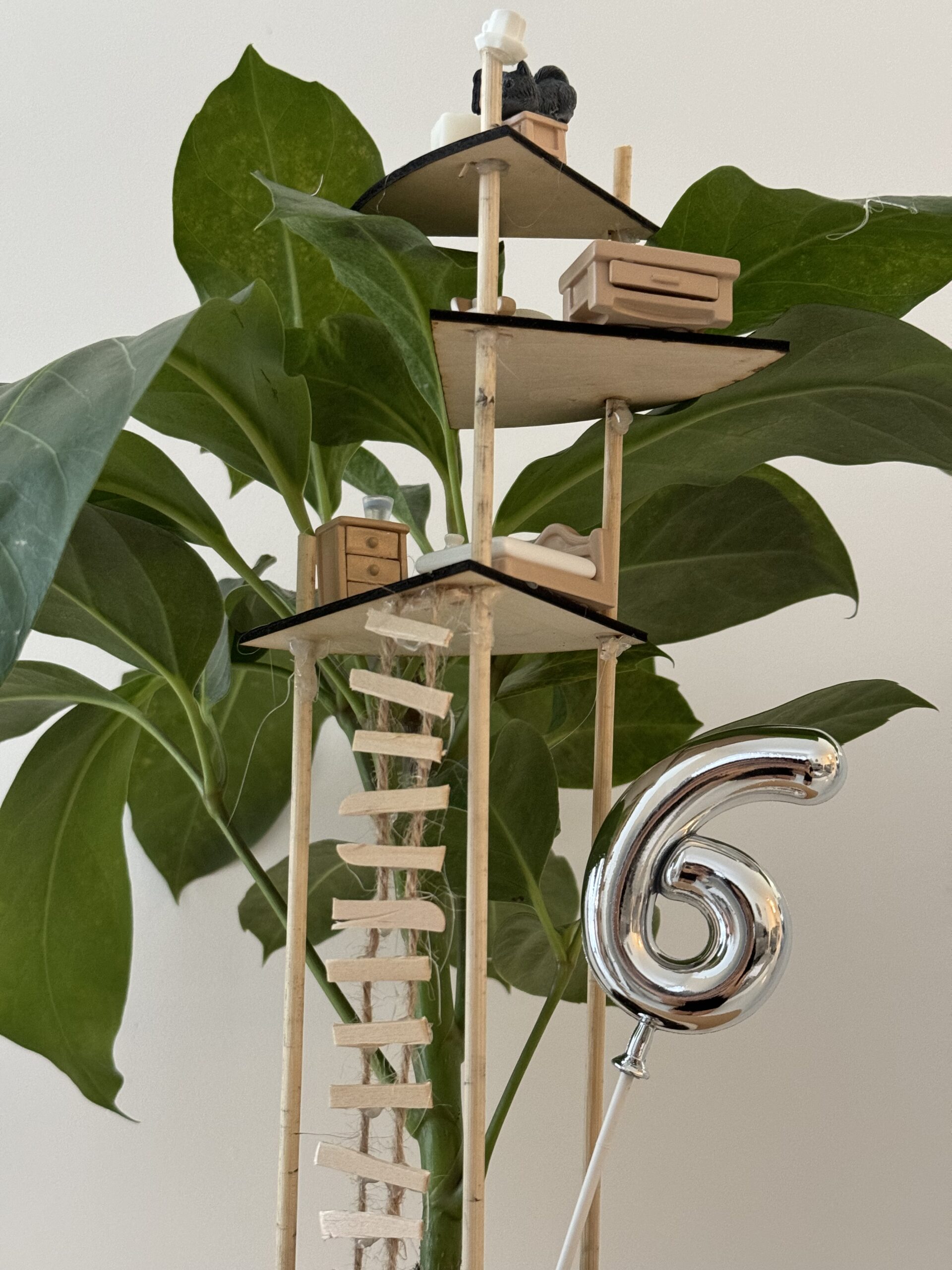
Designing projects around structures such as bridges, towers, or shelters helps children directly observe force distribution and stability. A bridge model, for instance, reveals tension and compression forces as weight is added. Encouraging kids to predict outcomes and test variations emphasizes scientific reasoning. Discussions about what makes structures strong or likely to collapse support concept internalization.
Moreover, integrating storytelling around projects—like designing a safe house or a playground bridge—makes abstract ideas more meaningful. This approach links physics knowledge with social and practical contexts, increasing motivation. Providing guided questions helps children reflect on design decisions and physics principles. These elements bridge the gap between building and learning.
What teaching practices enhance home model-building activities?
Balancing guidance with independence is key. Parents or educators should facilitate inquiry by asking probing questions rather than giving answers immediately. This encourages children to articulate their thinking and experiment with alternatives. Demonstrating techniques without taking over preserves learner ownership of the project.
Setting clear, achievable goals for each session helps maintain focus and momentum. Summarizing learned concepts after building sessions consolidates understanding. Recording observations through drawings or simple notes can deepen reflection. Providing positive, specific feedback supports confidence and continued effort.
What realistic actions can parents and educators take to implement these solutions?
Start by selecting simple projects that illustrate a central physics concept within the child’s current learning level. Gather easy-to-find materials and set aside a dedicated space for building to reduce distractions. Planning sessions around short, focused tasks makes it easier to fit projects into busy family routines. Keeping expectations flexible accommodates varying ages and attention spans.
How to prepare for a home physics modeling session?
Begin by reviewing the physics idea you wish to explore, such as load distribution or balance. Choose a project representing this principle practically, like building a cardboard tower. Assemble all materials and some reference images or instructions. Clear a table or floor area to work comfortably. Explain the goal clearly, emphasizing what to observe and test during building.
Invite the child to brainstorm design ideas and encourage trial builds. Allow enough time for construction and experimentation without rushing. Provide guidance as needed but focus on fostering problem-solving and critical thinking rather than perfect results. Keep the session interactive and fun to build positive associations with STEM learning.
How to extend learning beyond building models?
After constructing structures, engage children in discussions about what worked and what didn’t. Ask questions like “Why did this part stay up while another fell?” or “How could we make it stronger?” These reflections help move from doing to conceptual understanding. Introducing simple measurements of weight or height can connect projects to math skills.
Encourage documenting results through photos, sketches, or journaling to track progress over time. Suggest researching real-world examples of similar structures to broaden context. When possible, repeat projects with varied materials or constraints to explore further. Consistently linking activities back to physics concepts solidifies learning.
How to manage challenges during home projects?
Expect trial and error as a natural part of the learning process rather than a failure. If a model collapses, guide children to analyze the cause and try alternative approaches. Keep activities low-pressure and focus on curiosity. For younger children, shorter sessions with more breaks may be beneficial.
Seek out community resources such as local libraries, museums, or online forums for additional support and inspiration. Collaborating with other families or educators adds social motivation and idea exchange. Balancing structure with flexibility helps maintain engagement and accommodates diverse learning styles in the household.
How can professional guidance support effective home-based physics learning?
Expert input helps families select age-appropriate projects that connect directly to core physics concepts while fitting home environments. Professionals can tailor guidance to individual children’s interests and abilities, making science more approachable. They also provide feedback mechanisms that encourage depth rather than surface-level engagement. Access to knowledgeable instructors or mentors bridges the gap between resource availability and successful implementation.
What benefits do educators bring to home physics projects?
Educators understand common misconceptions in physics and can design scaffolded learning trajectories that build foundational knowledge step-by-step. They offer strategies to adapt activities for different developmental stages and learning preferences. In my experience, regular check-ins with educational professionals enhance both enjoyment and concept retention. Structured support helps prevent frustration and ensures projects remain challenging yet achievable.
Professional guidance often includes coaching for parents on facilitating inquiry-based learning and troubleshooting practical obstacles. This empowers caregivers to become more confident science facilitators. Access to curated materials and lesson plans aligned with broader curriculum goals makes integration smoother. Such collaboration creates a richer, more consistent home learning environment conducive to long-term interest in physics and related fields.
How do programs focused on design and architecture support physics learning?
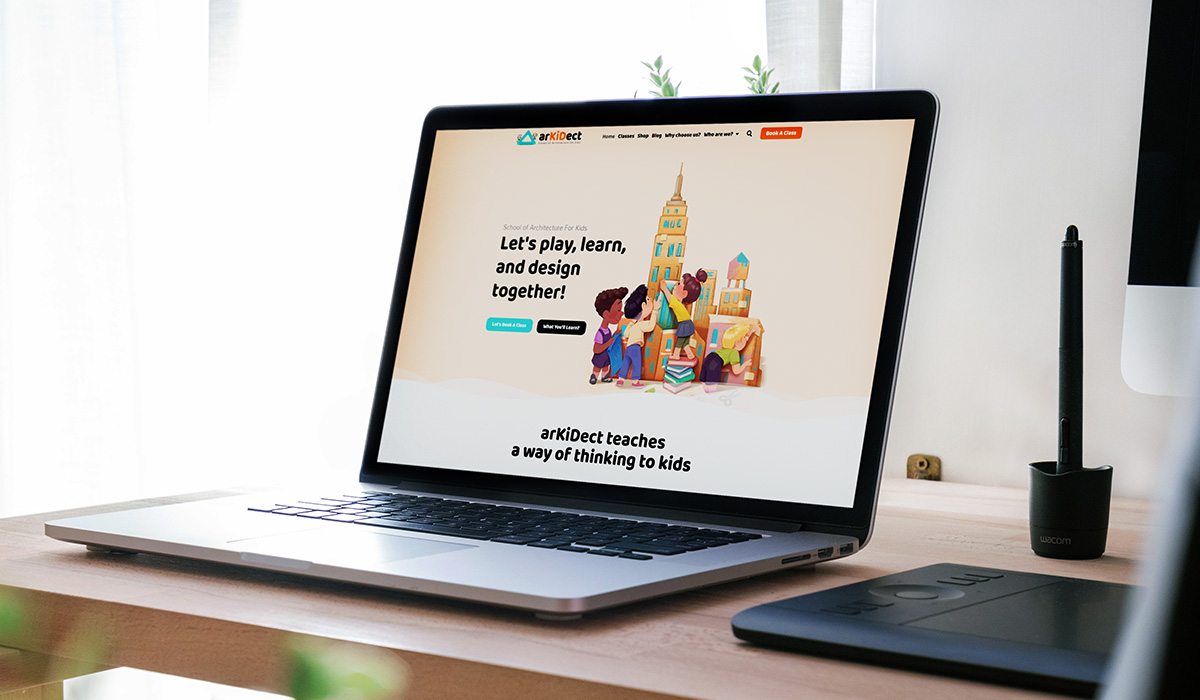
Design- and architecture-based programs introduce physics concepts through real-world applications of structure and material behavior. They present science not as isolated formulas but as tools for solving tangible problems. Programs like those offered by arKIDect demonstrate how children can explore forces by creating bridges, houses, and other constructions that require stability and balance.
This hands-on approach fosters spatial reasoning, creativity, and critical thinking simultaneously. It also encourages collaboration and communication skills when children work in groups or share their models. Such integrated learning experiences align with broader STEAM education goals and are particularly effective when led by knowledgeable instructors. Families seeking to enhance at-home physics learning benefit from connecting with these specialized resources.
For those interested in practical guidance and structured programs blending physics, creativity, and hands-on projects, I recommend exploring arKIDect’s offerings and contacting their team for support tailored to home education needs at direct assistance.
To expand your understanding of how to explain complex ideas effectively in these types of projects, consider resources on communicating complex concepts clearly. For further inspiration on building models that demonstrate stability principles, reviewing guides related to structural stability can be valuable.
Frequently Asked Questions
What age is suitable for building physics models at home?
Simple building projects can be adapted for children as young as five, focusing on basic balance and structure concepts. Older children can handle more complex designs and explore forces quantitatively.
Do I need special materials or tools to build physics models at home?
Most effective projects use common household items such as cardboard, straws, tape, and string. Special tools are beneficial but not necessary for introductory models.
How much adult supervision is required during building activities?
Supervision varies based on child age and activity complexity. Younger children need hands-on guidance, while older kids benefit from more independent problem-solving with occasional support.
Can these hands-on learning experiences replace formal physics education?
Hands-on model building complements formal education by reinforcing concepts through application. It helps children develop intuition but is most effective when combined with theoretical learning.
Where can I find additional resources or professional support for home physics projects?
Resources are available through specialized educational organizations like arKIDect, local libraries, and online communities devoted to STEAM education. Professional support can be accessed via enrichment programs or educational consultants.