Professionals and companies today face a complex challenge: preparing for a future workforce where many jobs have not yet been defined. Businesses are struggling to find employees equipped with the skills necessary to adapt to rapid technological changes and evolving industry needs. This gap complicates hiring and talent development strategies, placing pressure on education systems as well as workplace training programs. For families and educators, this uncertainty underscores the importance of building skills that foster creativity, problem solving, and adaptable thinking rather than narrowly focused job training during childhood and adolescence. Integrating hands-on learning opportunities, such as those found in creative enrichment classes, can help address this issue by encouraging flexible skill development early on.
There is value in recognizing that the future skills gap has structural roots and practical consequences—without clear solutions, the mismatch between educational outcomes and employer expectations will persist. It is helpful to frame this gap not just as a failing of individual students or workers but as a signal that education approaches require adjustment. As Gökçe Saygın, I see architecture education as one tool among many that can support children’s adaptive learning through design thinking and hands-on projects. This article explores the problem from multiple angles and offers realistic guidance for parents and educators navigating this evolving landscape.
Key Points Worth Understanding
- The nature of work is changing faster than traditional education can respond.
- Many future jobs will require skills not yet imagined nor formally taught.
- Creative education builds transferable thinking skills that foster adaptability.
- Practical learning includes collaboration, problem-solving, and design thinking.
- Support from experienced educators and guided programs improves learning outcomes.
What challenges do companies face in finding future-ready employees
Today’s companies find it difficult to recruit workers who possess broad creative problem-solving skills alongside technical competencies. Technological advances continually reshape roles, making specific task expertise less relevant over time. Many employers report gaps in candidate skills such as critical thinking, collaboration, and digital literacy, which are essential for adapting to changing demands. Companies also struggle with training existing employees fast enough to keep pace with innovation, creating a constant tension between immediate needs and long-term workforce development. A more flexible mindset toward skills acquisition has become critical in addressing these challenges.
How does rapid technology change impact workforce development
With constant advancements in automation, artificial intelligence, and digital tools, job roles evolve more quickly than education systems typically can respond. New technical skills may become obsolete within years, while soft skills like creativity and problem-solving remain valuable across different contexts. This dynamic means companies seek employees who can learn independently and adjust to new tasks regularly. For example, roles in emerging fields may blend disciplines, requiring workers to integrate knowledge flexibly rather than rely solely on formal training. Organizations that anticipate change and support ongoing skill development outperform those relying on static qualifications alone.
However, bridging the technology-skill gap often depends on creating effective training programs that respond to real needs and include practical application. Without relevant experience and hands-on practice, learners may struggle to apply knowledge effectively in workplace scenarios. Therefore, workforce development increasingly includes project-based learning, mentorship, and cooperative work environments to cultivate adaptable skills beyond standard certifications.
What skill gaps do employers commonly observe
Employers frequently note gaps in critical thinking, communication, emotional intelligence, and creativity more than purely technical skills. These competencies allow workers to approach undefined problems, collaborate efficiently, and innovate within their roles. For instance, many technical graduates might lack experience translating technical knowledge into actionable solutions or communicating ideas clearly across teams. Companies also highlight the importance of cultural fit and teamwork ability, reflecting the social dimension of modern workplaces. Developing these skills during childhood and adolescence prepares individuals for smoother workplace transitions and sustained career growth.
The challenge lies in the fact that traditional education often emphasizes memorization and procedures rather than inquiry and original thought. This mismatch leads to a disconnect between what new hires know and what their roles demand. Interventions that build social skills, critical thinking, and collaborative problem-solving prove especially effective in closing these skill gaps.
How does talent shortage affect business growth and innovation
Talent shortages delay project completion, inhibit innovation, and increase operational costs as companies invest more in training or seek specialists at premium rates. When the workforce cannot meet emerging challenges, businesses may scale back initiatives or struggle to compete internationally. Limited access to skilled personnel also restricts industries from exploring new technologies or processes, hampering growth potential. The cumulative effect is stagnation in sectors that rely heavily on rapid innovation, such as technology, healthcare, and sustainable energy.
This context underscores why a forward-thinking approach to education is necessary—not only to fill immediate vacancies but also to enable continuous adaptation to future market shifts. Organizations benefit from partnering with educational providers who focus on cultivating foundational skills in younger learners that align with evolving professional environments.
Why do these challenges persist in education and workforce training
The persistence of skills gaps owes much to systemic delays in updating educational curricula and traditional emphasis on content over process. Schools often focus on tested knowledge rather than cultivating flexible thinking or interdisciplinary learning, limiting student exposure to problem-solving in varied contexts. This approach does not completely reflect the demands of contemporary workplaces, where employees must integrate diverse skills dynamically. Furthermore, teacher training and school resources may not sufficiently support innovative curricula that prioritize creativity and adaptability. Consequently, education frequently lags behind the skills employers require, perpetuating the divide.
How does curriculum rigidity affect skill development
Many education systems are bound by standardized testing and prescribed content, restricting opportunities for active, creative learning. Rigid frameworks allocate time toward memorization and discrete subjects rather than open-ended inquiry or cross-disciplinary projects. Students may complete assignments with predetermined answers but receive little practice in managing ambiguity or designing original solutions. This limitation affects readiness for workplace scenarios where problems do not have straightforward answers. Systems that integrate project-based learning, such as design studios or maker spaces, tend to better foster critical skills but remain underutilized in many regions.
Curriculum redesign requires balancing accountability with creativity and reconsidering assessment strategies to value process and collaboration alongside factual knowledge. This shift challenges deeply entrenched educational traditions and requires systemic commitment to evolve teaching and evaluation practices.
What role do educators and parents play in addressing gaps
Educators and parents are critical in supplementing formal education by recognizing the importance of fostering curiosity, collaboration, and resilience. By introducing children to open-ended design projects, team activities, and exploratory learning, adults can support the development of transferable skills early on. For example, parents involved in homeschooling often seek programs that emphasize hands-on learning and critical thinking rather than rote instruction. Teachers who experiment with design thinking and creative problem solving can help students learn to approach challenges flexibly, better reflecting real-world demands. Both groups serve as advocates for learning experiences that go beyond textbooks and tests.
However, this role requires access to resources, training, and programs aligned with these goals, which are not always easily available. Support networks and professional guidance enhance the effectiveness of these efforts and help families and educators navigate the evolving demands of future careers.
Why is bridging formal education and workforce training so difficult
Formal education and workforce training serve different primary functions—education emphasizes foundational knowledge and broad skills, while workplace training focuses on specific job competencies. Aligning these objectives requires communication between educators and employers, shared understanding of needed skills, and flexible pathways for learners. Constraints such as varied regional education policies, employer expectations, and economic pressures often complicate collaboration. Additionally, rapid changes in industry create a moving target that educational systems struggle to meet promptly.
Bridging this gap calls for partnerships that integrate real work experiences into learning, emphasize lifelong learning habits, and allow for continuous skill updating. Without such integration, graduates enter the workforce ill-prepared, and employers must compensate with additional training.

What do effective practical solutions to the skills gap include
Effective solutions emphasize teaching adaptable skills such as creative problem solving, collaboration, and digital literacy through active learning methods. Educators implement hands-on projects that require iteration, critical thinking, and teamwork, preparing students to manage novel challenges. Programs incorporating design thinking principles, where learners identify problems and prototype solutions, show promise in developing these flexible abilities. Moreover, integrating technology meaningfully allows children to gain familiarity with evolving tools while focusing on conceptual understanding rather than rote procedures. For example, initiatives like 3D modeling for children provide structured paths to digital skills within creative frameworks.
How does creative education support future skills
Creative education nurtures the ability to imagine multiple solutions, tolerate uncertainty, and view problems from various perspectives. This training contrasts with education narrowly focused on discrete facts or specific job skills, expanding learners’ capacity to innovate and self-direct. Engaging children in design challenges or collaborative builds encourages experimentation and reflection, skills directly transferable to future workplaces. Creativity is closely linked to resilience and adaptability—traits necessary for navigating unpredictable career landscapes.
Over time, these experiences build a mindset oriented toward continuous learning and problem framing rather than fixed solutions. In this way, creative education lays a foundation for lifelong skill development beyond what standardized curricula typically offer.
What are some examples of hands-on learning beneficial for children
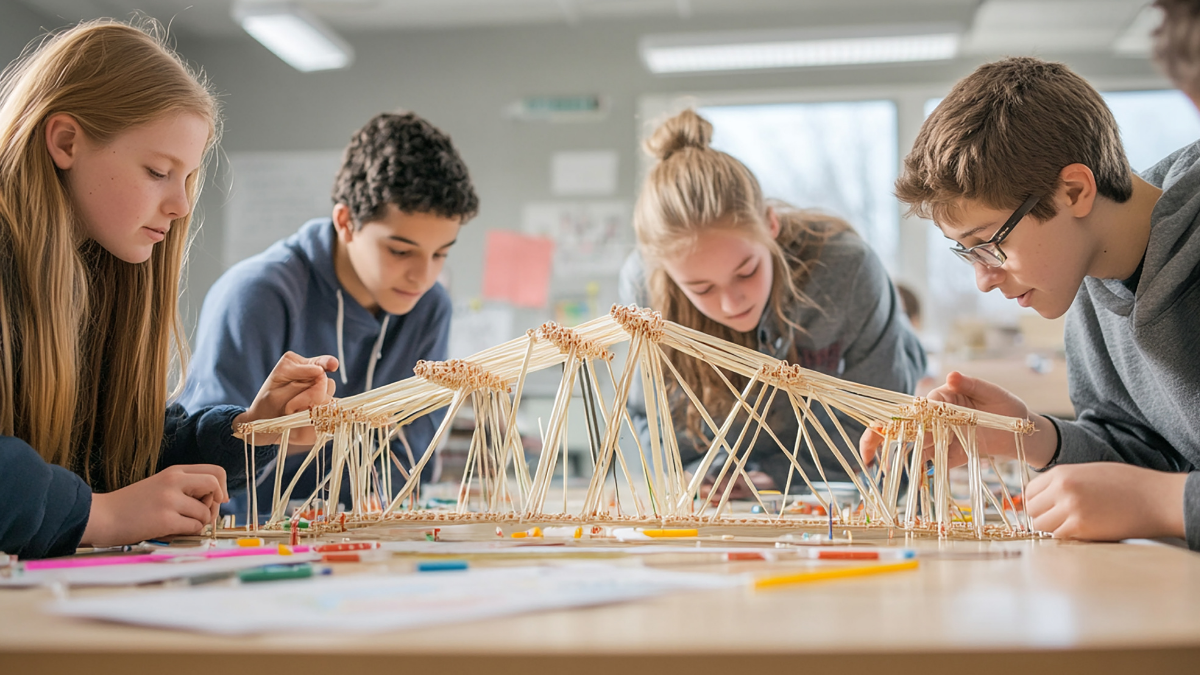
Hands-on learning can include architecture-based projects, engineering challenges, and artistic collaboration that enable children to connect ideas with tangible creation. Activities such as designing model buildings, constructing prototypes from everyday materials, or coding simple animations engage spatial reasoning alongside creativity. These experiences help develop executive functions like planning, feedback processing, and teamwork. For example, children participating in structured workshops or afterschool programs focusing on architecture or STEAM subjects gain opportunities to solve real-world problems actively rather than passively receiving information.
Such practical challenges foster motivation and understanding in ways traditional lectures or worksheets do not. They reveal the iterative nature of knowledge while embedding essential skills in engaging contexts.
How can technology be integrated thoughtfully into learning
Technology tools should serve as means to explore concepts rather than ends themselves. Programs should prioritize software and devices that align with developmental levels and encourage creative use. For instance, using accessible 3D modeling applications can help children visualize spatial relationships and design details while requiring problem solving. Digital tools that enable collaboration extend projects beyond the individual, preparing children for teamwork typical of modern work environments.
However, screen time must be balanced with physical building and face-to-face interactions to cultivate a full range of skills. Thoughtful technology integration supports digital literacy while maintaining emphasis on conceptual understanding and real-world application.
What actions can parents and educators realistically take
Parents and educators can start by gradually incorporating project-based and creative learning activities into daily routines. Identifying local programs or online resources that emphasize collaboration and hands-on making, such as those focusing on architecture education, can provide structured support. Encouraging children’s curiosity, guiding open-ended exploration, and promoting reflection on learning processes also support skill development. Additionally, seeking training or community networks for educators helps maintain awareness of evolving best practices.
For homeschooling families, aligning curriculum choices with opportunities for active design thinking and problem-based projects can bridge gaps between formal requirements and future skill preparation. Schools and community organizations might collaborate with specialists who provide workshops or enrichment programs focused on critical skills. These steps represent practical starting points rather than wholesale curriculum reform, making them achievable within current constraints.
How can families find quality creative education options
Locating programs that consistently offer creative, hands-on learning involves researching providers with proven records and pedagogical clarity. Resources that blend academic goals with real-world skills, such as arKIDect’s offerings, are designed to support this approach. Families should look for enrichment opportunities where children actively design, build, and reflect rather than participate passively. Participation in group projects can foster collaboration and social skills concurrently. Checking for alignment with educational needs and considering accessibility and cost factors remain important.
Trial sessions, parent reviews, and instructor credentials provide additional insight into program quality. Selection based on clear learning outcomes rather than marketing claims leads to better educational investments.
What simple strategies support skill building at home
Parents can engage children in daily problem solving by encouraging curiosity and experimentation with ordinary materials. Asking open-ended questions, supporting trial and error, and celebrating effort over correctness help cultivate a growth mindset. Integrating activities such as model building, sketching ideas, or planning small projects nurtures spatial and executive skills. Setting aside time for collaborative play with peers or siblings develops communication and teamwork.
Balancing screen activities with creative time ensures technology serves learning purposes. Resources like design-based kits or guided tutorials can provide structure, avoiding frustration. These strategies complement formal education and promote transferable skills.
How can educators adapt classroom practices today
Educational professionals can introduce more student-centered, inquiry-based learning experiences by restructuring lessons to emphasize exploration and iteration. Moving from lecture-dominated classes to workshops encourages active engagement. Using real problems relevant to students’ interests and communities helps motivation and context understanding. Incorporating reflection and feedback cycles improves critical thinking skills and metacognition.
Partnerships with creative educators or organizations offer additional resources and training. Gradual integration of project work alongside required curricula fosters balance. This approach requires rethinking assessment to value process, creativity, and collaboration alongside content mastery.
How can professional guidance improve preparation for future careers
Expert educators and consultants with experience in creative learning frameworks aid families and schools in choosing effective strategies and programs. Professionals can assess learners’ needs and design tailored activities that build relevant skills progressively. For example, engaging design educators, who incorporate spatial thinking and problem-solving, provides depth beyond general enrichment. Accessing guidance helps avoid ineffective or mismatched approaches, saving time and resources. Collaboration with experienced providers also enhances sustainability, creating consistent learning environments that evolve with children’s development. To explore expert support in creative education, consider connecting directly with arKIDect.
What role can education consultants play
Consultants provide insight into pedagogical methods that effectively develop creativity, critical thinking, and collaboration. They help families and institutions select appropriate curricula and extracurricular activities aligned with future skill needs. Additionally, consultants offer training workshops for teachers and parents on how to facilitate experiential learning at home or in the classroom. Their external perspective brings awareness of educational trends and challenges, enabling customized recommendations that fit specific contexts. This professional involvement supports more intentional and informed preparation for an uncertain workforce.
Ongoing consultation ensures adaptability as children grow and labor markets evolve, securing long-term benefits beyond immediate programs.
How do partnerships between schools and creative educators benefit students
Collaborations between K–12 schools and organizations skilled in design thinking and hands-on learning create enriched educational environments. These partnerships enable schools to augment traditional curricula with specialized workshops, projects, and mentorship that develop key skills. Students gain exposure to different thinking frameworks and practical applications that standard classroom settings may lack. For example, architecture-based programs help spatial reasoning and collaboration, translating to broader competencies applicable in many fields. Moreover, partnerships increase resource sharing and community engagement, supporting holistic student growth.
Schools leveraging these relationships often see increased student motivation and more meaningful learning experiences while preparing learners for diverse futures.
How can families evaluate the effectiveness of guidance received
Families should monitor children’s engagement, confidence, and progress in creative tasks when applying professional advice. Observing how children approach new problems, collaborate, and persist provides indicators of skill development. Soliciting regular feedback from instructors or consultants enhances understanding. Adjusting plans based on experience ensures responsiveness to individual needs rather than rigid adherence to fixed models. Ultimately, effectiveness manifests in children’s increasing ability to navigate ambiguity, think critically, and work constructively with others.
Clear goal-setting and documented reflection contribute to evaluating the value of professional support over time.
For readers interested in incorporating structured creative approaches into home education, learning about project-based principles can be insightful. Exploring practical steps in design-focused learning helps realize pathways to future-ready skills without overwhelming existing schedules. Additional resources are available for families seeking guidance on homeschooling strategies and enrichment programs tailored to critical thinking development.
Frequently Asked Questions
Why is creative education important for future career preparation
Creative education develops transferable skills like problem solving, adaptability, and collaboration that remain relevant despite changing technology or job roles. It encourages flexible thinking necessary for careers not yet defined.
What types of activities help children develop skills for unknown jobs
Hands-on projects involving design, building, teamwork, and open-ended problem solving help children practice skills they will likely need in unpredictable future careers.
How can parents support skill development outside formal schooling
Parents can encourage curiosity, provide creative materials, engage children in collaborative tasks, and seek enrichment programs focusing on active learning to nurture essential skills.
What role does technology play in preparing for future skills
Technology tools support digital literacy and enable creative exploration when used thoughtfully alongside physical and social learning activities.
How do educators bridge the gap between traditional curriculum and future skills training
Educators incorporate project-based learning, design thinking, and collaboration into curricula, and work with specialists to provide enriched learning experiences that promote creative and critical skills.