Professionals in various fields frequently face challenges rooted in a lack of spatial awareness, creative problem-solving, and collaborative skills. Many companies struggle with employees who can envision solutions beyond traditional approaches, which slows project progress and hinders innovation. These issues often stem from educational gaps that do not emphasize critical thinking around space and design early enough in learning. Introducing children to architecture opens a path to building these competencies practically and meaningfully, supporting long-term skill development essential in diverse professional settings. For parents and educators interested in nurturing design-related abilities, exploring ways to engage young learners through architecture can be impactful. For example, exploring graphic design essentials for kids can complement early architecture exposure by expanding creative digital literacy alongside spatial understanding.
Understanding why children benefit from architecture education requires clarity about what the field offers beyond a potential career path. Architecture serves as a framework for problem-solving, critical thinking, and collaborative creativity. When approached through accessible learning experiences, it supports skills that children can carry into everyday life and future careers, regardless of their eventual profession. This blog looks at the practical challenges many workplaces face, why these often reflect gaps in early education, and what practical steps families and schools can take to introduce architecture as an educational tool. It also considers how professional guidance from instructors familiar with child-centered design learning strengthens these benefits.
Key Points Worth Understanding
- Architecture develops spatial thinking essential for many fields beyond design.
- Early architecture learning addresses gaps in problem-solving and collaboration skills.
- Hands-on projects engage children in practical creativity and design processes.
- Teachers trained in architecture education can guide meaningful skill-building experiences.
- Integrating architecture concepts supports future adaptability in a changing job market.
What challenges do professionals face that relate to early education gaps
Professionals often encounter stumbling blocks when projects require innovative spatial reasoning or multi-step problem-solving. These challenges link back to the kind of foundational education individuals received during childhood, which frequently prioritizes rote memorization over creativity. Many workplaces express a need for employees who can visualize and communicate complex ideas effectively, skills not commonly emphasized outside specialized fields such as architecture. This disconnect can lead to difficulties in collaboration and hinder progress on projects that demand holistic thinking and teamwork.
How lack of spatial skills impacts workplace innovation
When employees lack developed spatial reasoning, understanding and manipulating objects in three-dimensional space becomes difficult. This limitation affects industries beyond architecture, including technology, engineering, and design. Without the ability to visualize alternatives and predict outcomes spatially, problem-solving slows and solutions can become overly simplistic or flawed. Organizations notice delays and increased costs as trial-and-error approaches replace more confident, well-planned actions.
Spatial skills also influence communication within teams, where visualizing shared concepts clearly is valuable. A group struggling to conceptualize layouts, workflows, or prototypes often wastes time resolving misunderstandings that originate in inadequate spatial thinking foundations. Teaching children to strengthen these skills through architectural concepts can provide future professionals with a leg up in navigating spatial challenges in their careers.
Why difficulties in collaboration persist in many sectors
Collaboration stumbles arise when team members cannot easily see their roles in relation to the larger project context. Understanding how individual contributions fit spatially and functionally into a whole requires both empathy and systems thinking—capabilities that architecture education nurtures early. Without this, professionals may work in silos or at cross-purposes, impacting overall outcomes negatively. Many organizations still encounter friction in group dynamics due to people’s uneven skill sets around visual communication and design process appreciation.
Persisting collaboration issues show that workplace training alone cannot fully resolve these gaps. Foundational experiences must include group-based design activities that cultivate listening, negotiation, and iterative feedback skills linked to physical and conceptual space. Children introduced to architecture learn process-oriented thinking combined with social interaction, building habits helpful in professional settings where collaboration is critical.
Missing problem-solving frameworks hinder adapting to new challenges
Many challenges employees face today involve unprecedented or complex scenarios requiring flexible thinking frameworks. When early education lacks emphasis on design thinking principles and hands-on problem solving, individuals rely on established patterns that may not suit evolving situations. Without architecture-related learning, children often miss early opportunities to engage in iterative design cycles where failure becomes a natural step in discovery.
Workforce readiness conversations highlight that adaptability and resilience come from experience with problem-solving that involves physical making, visualization, and revision. Teaching children architecture with an emphasis on design processes supports the development of these transferable frameworks. Real-world learning environments encourage students not to fear mistakes but to learn from hands-on experimentation with structures and plans.
Why do these challenges continue despite advancements in education
Educational systems frequently emphasize standardized testing and knowledge acquisition over applied skills like creativity and spatial reasoning. This systemic focus leaves little room for subjects that promote hands-on, multidisciplinary approaches such as architecture. Additionally, many educators may lack specific training or curricular resources to introduce architecture concepts confidently. This contributes to limited offerings in schools and afterschool programs, reinforcing the existing gaps.
Systemic constraints in school curricula
Standardized curricula tend to prioritize literacy and numeracy, often sidelining subjects considered optional or extracurricular. Architecture, categorized as a specialized discipline, struggles to secure dedicated time in the crowded school day. Students and families thereby miss consistent exposure to design-oriented learning opportunities that foster creativity and complex thinking. Furthermore, the absence of architecture from mainstream curricula means related skills are less likely to develop naturally.
This prioritization impacts equity as well, with students from under-resourced schools having even fewer opportunities for enriched design education. Without access to architecture-based activities, these children face additional barriers in developing skills sought after in higher education and modern workplaces. Advocating for curriculum integration or supplemental programs helps address these systemic limitations and broaden educational reach.
Lack of educator training and resources
Even when schools recognize the importance of design learning, many lack teachers equipped with the necessary background to deliver architecture education effectively. Professional development opportunities for integrating architecture and design thinking remain limited, leaving instructors unsure how to facilitate hands-on projects or explain abstract spatial concepts. This skill gap impacts program quality and the ability to engage students meaningfully.
Educators need resources that blend practical activities with conceptual teaching tailored to children’s developmental stages. Access to clear curricula, project guides, and mentoring from architecture educators can improve confidence and outcomes. Increasing support for teacher preparation in this area will help sustain architecture learning programs both inside and outside formal schooling.
Technology and mode of delivery issues
While digital tools offer new possibilities for architecture education, reliance on screen-based learning can sometimes hinder tactile experiences critical for spatial understanding. Many programs struggle to balance virtual platforms with hands-on model building and drawing exercises. Overemphasizing technology without foundational exposure to physical materials may reduce depth of learning and limit skill transfer outside digital environments.
Programs designed for children should thoughtfully integrate digital and physical learning methods. This hybrid approach ensures engagement while reinforcing core spatial and design principles. Professional guidance helps maintain this balance, supporting learners whether in classroom, afterschool, or home settings.
What does a practical solution for introducing architecture to kids look like
A practical approach to teaching architecture to children involves using hands-on, project-based learning accessible to varied ages and backgrounds. Such programs encourage exploration through sketching, model making, and group problem-solving, blending creativity with real-world contexts. These experiences help children develop spatial reasoning, design thinking, and collaboration skills naturally. When programs incorporate structured guidance and reflect developmental learning stages, they meet learners where they are and build progressively.
Engaging children through meaningful projects
Meaningful architecture projects for kids often start with familiar concepts such as designing a dream home or creating community spaces. These relatable themes motivate children to imagine possibilities while practicing technical skills like drawing and modeling. Group projects add social learning dimensions where students negotiate ideas and share feedback. By working on tangible goals, children recognize the value of iterative design and adaptation in achieving outcomes.
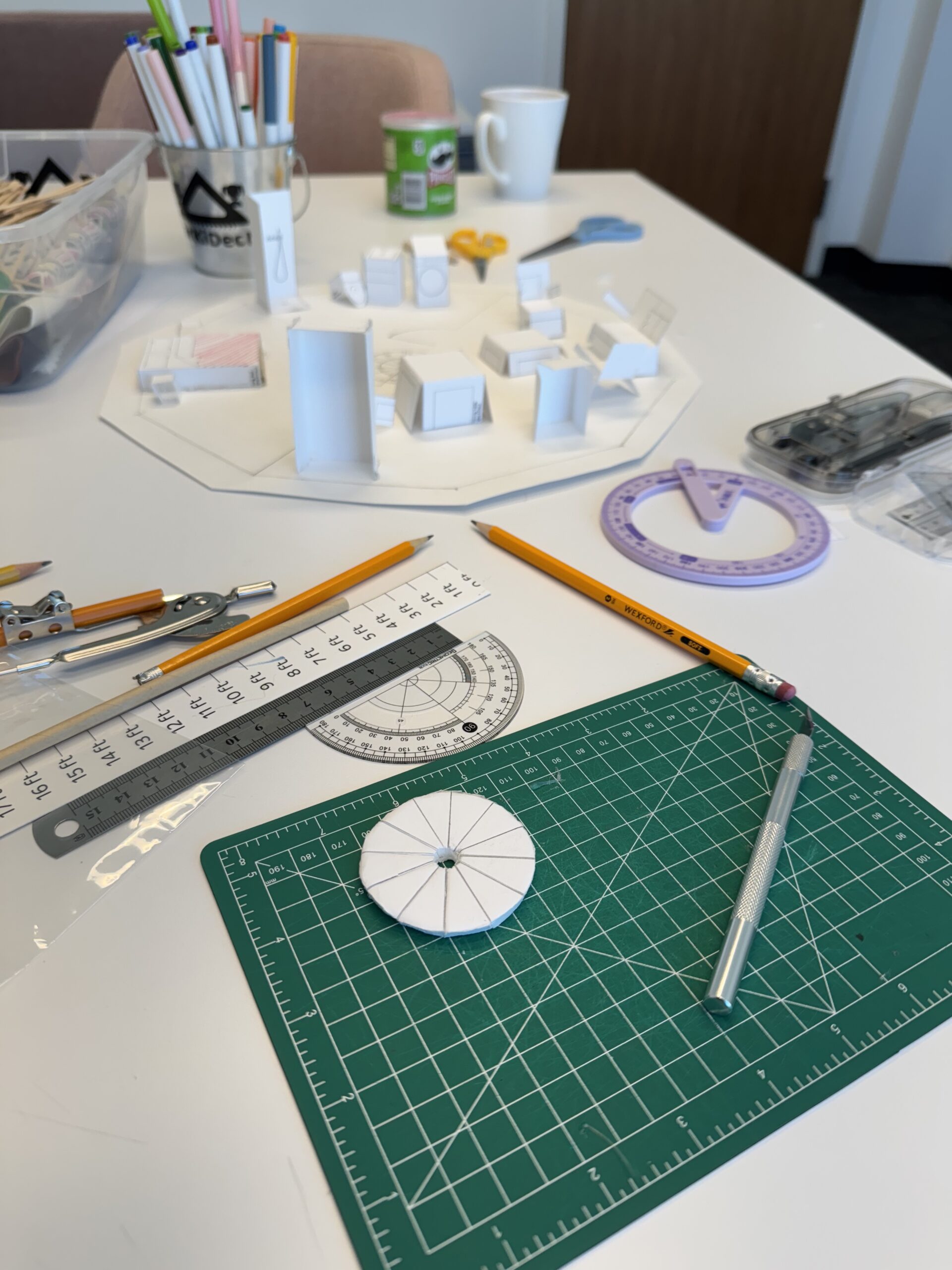
For example, children might build small-scale architectural models from simple materials, exploring structural stability while expressing creativity. Completing a project from concept to model offers a full process experience, ingraining key skills in a memorable way. These actionable learning activities differ significantly from abstract lessons by providing clear, hands-on engagement.
Supporting instructors with specialized training
To implement architecture education effectively, instructors benefit from training focused on child development, design pedagogy, and practical guidance strategies. This equips them to scaffold learning appropriately, manage group dynamics, and incorporate iterative feedback. Well-prepared teachers can translate complex architectural ideas into accessible concepts without diluting meaning.
Training also introduces educators to effective tools and materials suited for children, ranging from sketching supplies to model kits and digital resources. This knowledge enhances program quality and ensures consistency in skill-building. Investing in instructor preparation strengthens the impact of architecture education and supports sustainable program growth.
Balancing digital and physical methods
Integrating digital tools with hands-on activities creates a comprehensive learning environment. For instance, children can draft initial ideas using simple design software before constructing physical models. This combination helps reinforce spatial concepts both visually and tactilely, catering to diverse learning styles.
Programs that thoughtfully use technology alongside manual projects avoid overreliance on screens while preparing children for tech-savvy careers. Balancing modes maintains engagement and supports deeper understanding. Offering this blend requires careful planning led by instructors familiar with both mediums.
What realistic actions can parents and educators take to introduce architecture concepts
Parents and educators seeking to foster architecture skills in children can start by incorporating everyday discussions about space and design. Observing the built environment during walks, encouraging drawing of favorite places, or building simple structures at home builds foundational awareness. Intentionally setting aside time for model-making or design challenges involves children actively in learning.
Families can explore architecture-focused afterschool programs or summer camps to deepen exposure. Selecting programs emphasizing hands-on learning and design thinking ensures valuable skill development. Locally, Miami offers options that combine creativity with structured instruction. To prepare for these experiences, educators might review resources like the model making projects guide, which highlights practical activities suited for various age groups.
Encouraging open-ended building and design play
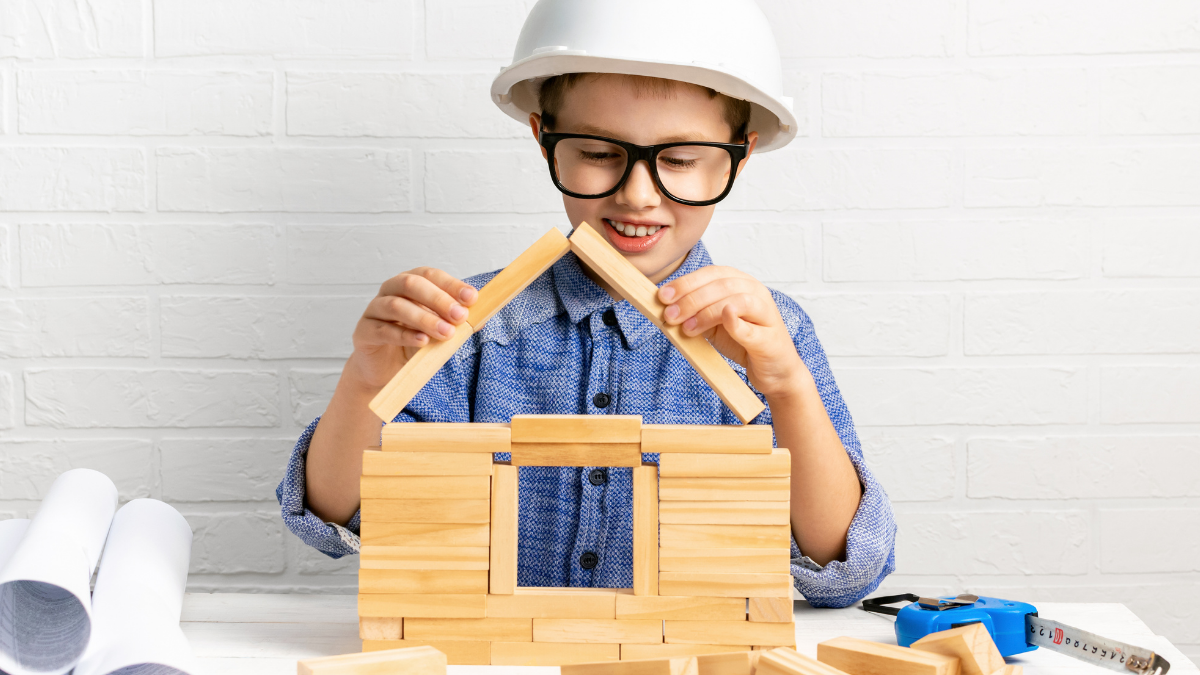
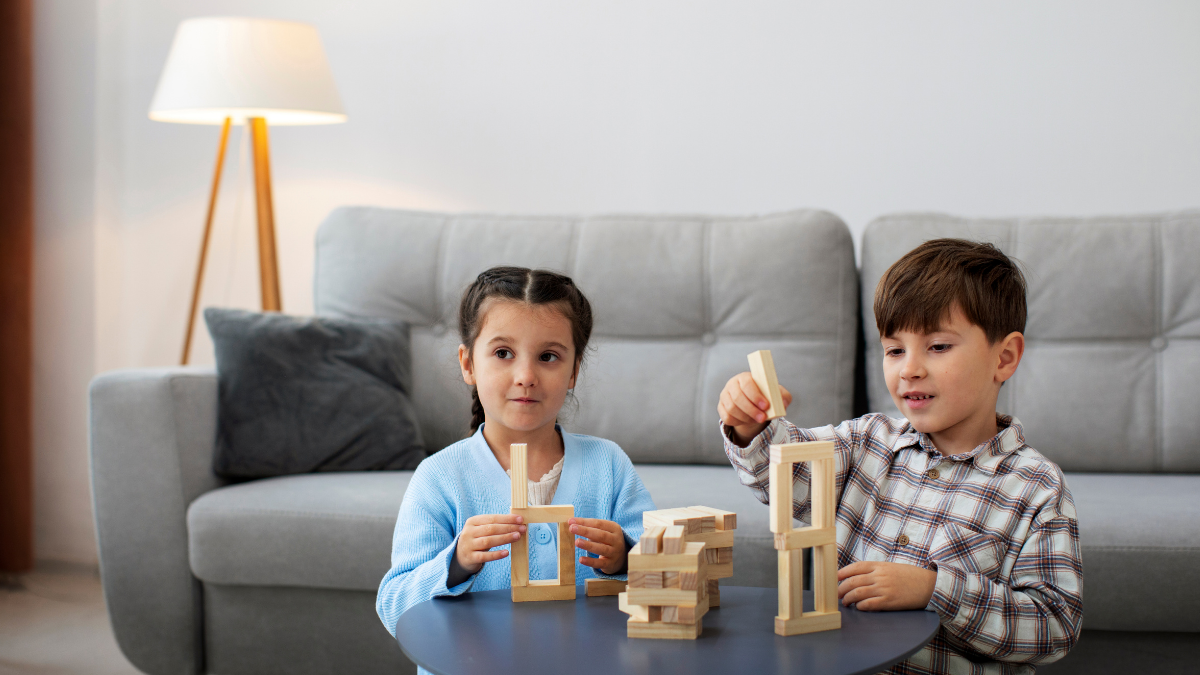
Encouraging children to experiment with materials at home or in class promotes creativity and spatial reasoning. Providing building blocks, recycled materials, or simple tools invites exploration without strict instructions. This freedom allows children to solve problems and express ideas autonomously, developing confidence and intrinsic motivation.
For example, children might create forts, bridges, or imaginative dwellings, learning stability principles and aesthetic considerations intuitively. This type of play underpins later formal architecture education by establishing core curiosity. Parents and teachers can support this by asking open questions about design choices without insisting on correctness.
Using everyday observations for design discussion
Pointing out design elements in daily surroundings helps children recognize architecture’s relevance. Discussing why buildings have certain shapes, how light enters spaces, or ways rooms serve different functions connects observation to conceptual understanding. This practice strengthens critical thinking and vocabulary around design.
Engaging children in these conversations during walks or media consumption makes architecture tangible and sparks interest. These informal discussions create a foundation that formal programs can build upon. Families might document observations through sketches or photos to encourage reflection and awareness.
Selecting quality programs with architecture focus
Researching afterschool or enrichment programs that prioritize architecture and design thinking is a practical step. Evaluating program curriculum, instructor backgrounds, and learning formats helps ensure alignment with educational goals. Prioritizing hands-on activities, model building, and group collaboration supports holistic skill development.
ArKIDect offers programs in Miami tailored to these criteria, providing structured yet playful environments for young learners. Connecting with experienced educators familiar with architecture education increases the likelihood of meaningful outcomes. To explore options or ask about class details, contacting arKIDect via their contact page is recommended.
How does professional guidance enhance architecture learning for kids
Professional educators with expertise in architecture and child development can tailor learning experiences to children’s needs, advancing skills progressively. Their guidance ensures that concepts are accessible yet challenging, using age-appropriate language and activities. They navigate common obstacles such as frustration or stagnation by adjusting approaches and providing encouragement grounded in practical strategies.
Working with trained instructors supports social learning as well, where children gain interpersonal skills through collaborative projects and critiques. Professionals also introduce children to real-world architecture concepts and careers in a realistic way that informs rather than overwhelms. Together, these benefits create a richer, more supportive learning journey.
Customized instruction meeting individual needs
Professional instructors assess children’s developmental levels and learning styles, adapting lessons accordingly. This individualized approach helps maintain engagement and progress, preventing boredom or frustration. Experienced educators employ varied teaching aids from physical models to digital tools to suit different preferences and abilities.
For children with diverse learning needs or those new to architectural concepts, tailored instruction builds confidence. Understanding children’s interests also allows integration of relevant examples and projects. This focus increases motivation and deepens comprehension beyond generic lessons.
Creating meaningful group learning environments
Collaborative projects guided by professionals develop teamwork alongside design skills. Instructors facilitate group discussions, encourage respectful feedback, and monitor dynamics to promote positive interactions. This social component enhances communication, empathy, and shared problem-solving experiences.
Through structured group critiques, children learn to explain their ideas clearly and consider peers’ perspectives. These social skills bolster overall development and transfer to educational and professional contexts later on. Instructors play a crucial role in managing these processes effectively.
Linking learning to real-world architecture practice
Professionals often share insights into architectural careers and processes, helping children connect classroom activities with larger contexts. Exposure to authentic examples of design challenges and solutions inspires appreciation and relevance. Teachers may introduce community projects or visits that complement theory with practice.
This linkage helps demystify architecture and opens awareness of diverse paths within and beyond design fields. Children see the practical value of their skills, encouraging purposeful learning. Engaging with professionals also highlights ongoing learning as necessary in any discipline.
For families aiming to deepen their child’s design thinking skills, reviewing resources on sketching and ideation techniques can support home practice alongside professional instruction.
By grounding architectural learning in realistic challenges and incremental skill development, children acquire useful competencies for school, work, and life.
For those interested in starting or expanding architecture education for kids, professional support combined with practical, hands-on activities offers an effective path forward.
Frequently Asked Questions
What age groups does arKIDect serve for architecture education?
arKIDect offers architecture learning programs designed for children aged 6 to 14 years. Their curriculum is tailored to developmental stages within this range, with beginner-friendly introductions for younger learners and more complex projects for older students. This approach ensures age-appropriate engagement and skill-building.
Are architecture classes at arKIDect offered in-person or online?
arKIDect provides both in-person and hybrid program options depending on location and scheduling. Their in-person classes take place in Miami and surrounding areas, where hands-on model making and collaborative projects can be facilitated effectively. Online components supplement digital tools and design exercises.
How do architecture classes support other STEAM subjects?
Architecture education integrates concepts from science, technology, engineering, arts, and mathematics (STEAM). Classes emphasize spatial reasoning, design thinking, measurement, and creative problem-solving, complementing and enhancing understanding in traditional STEM subjects, while nurturing artistic skills.
Where are arKIDect classes held in the Miami area?
arKIDect conducts classes and camps primarily in Miami and Sunny Isles Beach, locations chosen for accessibility and vibrant creative communities. These environments provide local families convenient options for quality architecture education featuring hands-on activities and group learning.
How can I enroll my child or learn more about arKIDect programs?
Enrollment details and program information can be obtained by contacting arKIDect directly through their official website. Families are encouraged to inquire about class schedules, trial sessions, and age-specific offerings to find the best fit. Professional guidance is available to support each family’s individual needs.