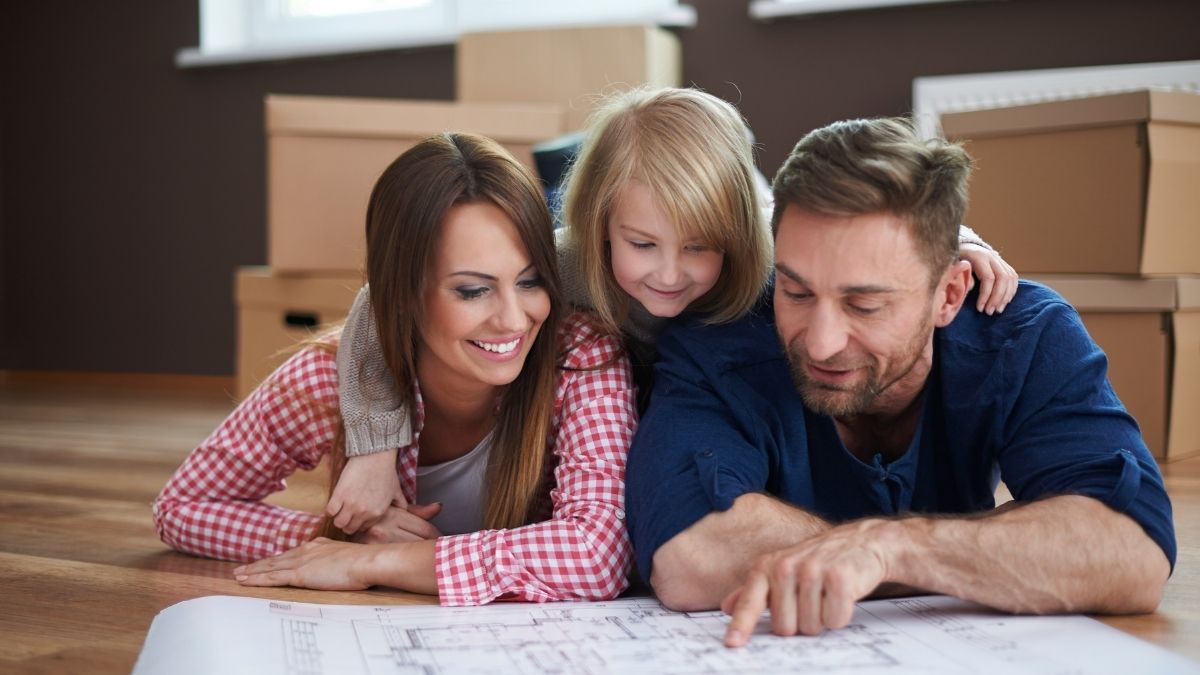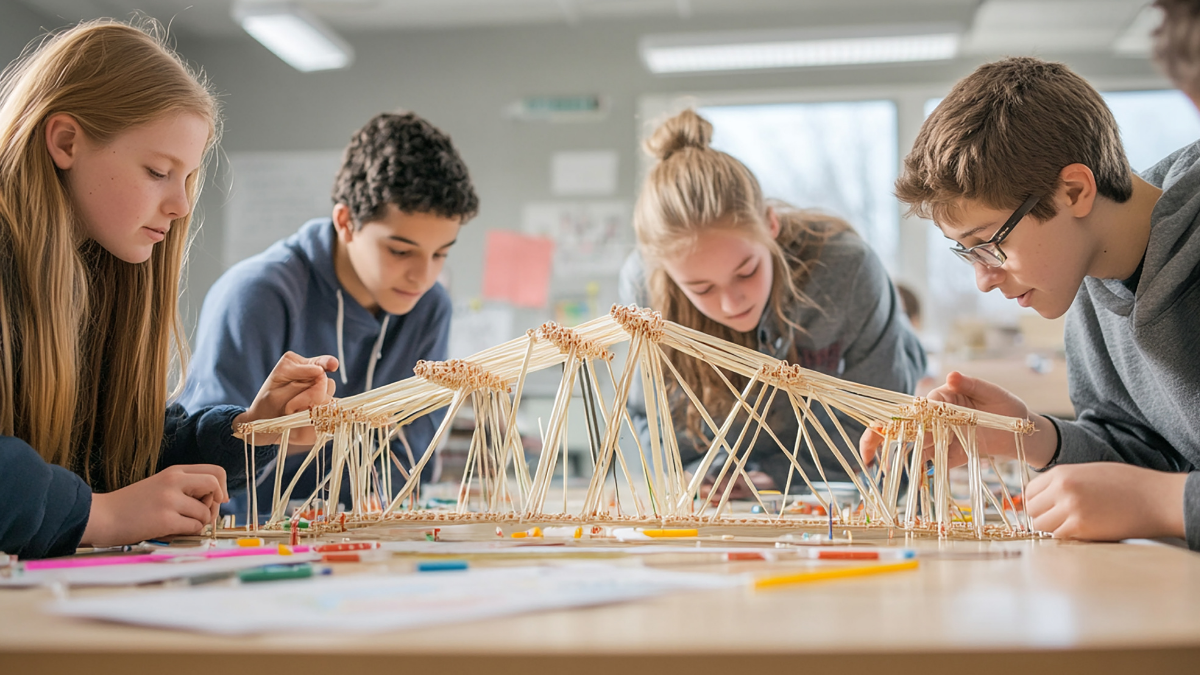
Educators and program coordinators often find that motivating children to engage deeply with learning is a persistent challenge. The shift toward screen-based activities has led to fewer opportunities for elementary students to participate in physical projects, which limits their hands-on experiences necessary for developing motor skills and spatial awareness. Without these engagements, children may struggle with problem solving and creativity later in their education. Fortunately, many educators turn to project-based physical learning as a practical approach to address these challenges, integrating activities that encourage active making and design.
Physical projects provide a direct way for children to connect ideas with tangible outcomes, supporting learning in ways that passive or screen-based methods rarely achieve. As Gökçe Saygın, I see architecture education as a valuable framework that demonstrates how engaging concretely with materials and space helps children develop critical thinking and collaboration skills. This article explores the common obstacles limiting physical project work in elementary education, why these persist, and what realistic actions educators and parents can take to support more meaningful hands-on learning for children.
Key Points Worth Understanding
- Hands-on projects are essential for spatial reasoning and fine motor skill development in young children.
- Digital distractions often reduce time spent on physical learning activities in schools and homes.
- Project-based learning bridges theory and practical application, helping children grasp complex concepts.
- Structured guidance and clear goals improve the effectiveness of physical projects in educational settings.
- Collaboration in group projects promotes social skills alongside cognitive development.
What challenges do professionals face when implementing physical projects for kids?
Professionals working in education and enrichment often experience limited resources and time constraints that hinder the integration of physical projects in elementary learning environments. Many schools prioritize traditional academic subjects, leaving less room in the schedule for hands-on activities. Additionally, lack of training for educators on how to manage project-based learning can lead to discomfort or avoidance of these methods. The result is a systematic undervaluing of physical project work, despite its benefits for young learners.
How do limited time and curriculum demands impact project implementation?
In many elementary schools, curriculum is tightly packed with standards-based lessons focused on reading, writing, and math. This leaves little flexibility for teachers to incorporate extended project work that requires more setup and cleanup time. When projects are rushed or fragmented, students do not get the full opportunity to explore, experiment, or problem solve. This often discourages educators from attempting hands-on learning regularly, creating a cycle where physical projects become the exception rather than the norm.
For example, a classroom attempting to build simple models of community buildings may find that interruptions to meet other academic requirements reduce the quality of the experience. Without dedicated time blocks, children cannot advance through stages of design, construction, and reflection, limiting the effectiveness of the learning.
Why does lack of educator training make a difference?
Many teachers receive limited professional development related specifically to project-based or hands-on learning approaches. This gap can make educators feel unprepared to manage materials, guide open-ended exploration, or assess learning in these contexts. Without confidence and clear strategies, teachers may prefer traditional lecture or worksheet-driven methods that feel more manageable. This limits opportunities for physical project work to be incorporated fully into classrooms.
At times, teachers want to try hands-on projects but hesitate because they are unsure how to tie activities explicitly to learning objectives or standards. A lack of accessible resources and examples tailored to their grade and content area contributes to this weariness. Thus, professional development focused on project-based methods is critical to increasing their use in elementary education.
How does access to materials affect project-based learning?
Physical projects require appropriate materials, tools, and safe spaces, which may not be readily available in all schools or homes. Budget limitations often restrict purchases of supplies or reduce the ability to replace items after repeated use. Schools in underserved communities may face greater challenges in maintaining inventories of construction kits, craft supplies, or building materials, which are essential for hands-on learning. Without easy access to materials, project work becomes harder to plan and implement effectively.
For instance, a group design activity might stall if children lack enough modeling clay, wood pieces, or glue for everyone to participate. Resource shortages can create frustration for both educators and students, which lowers enthusiasm to continue these efforts. Ensuring equitable material access is therefore an important part of supporting project-based physical learning.
Why do these challenges continue to persist in educational settings?
The persistence of these challenges often relates to broader systemic priorities and structural limitations within education. Emphasis on standardized testing directs attention away from activities difficult to evaluate with conventional metrics. Additionally, economic constraints force administrators to make tough choices, often cutting funding for what might be considered non-core subjects or programs. Without strong advocacy and evidence for the value of project-based physical learning, these obstacles remain entrenched.
What role do standardized assessments play in limiting hands-on projects?
Standardized tests prioritize discrete academic skills that are easily measured, such as reading comprehension or math calculations. Hands-on projects, which develop skills like spatial reasoning, collaboration, and creative problem solving, often do not align neatly with testing content or formats. Consequently, teachers feel pressure to focus on test preparation, which crowds out time for open-ended, physical design work. This priority can lead to the perception that project-based learning is a luxury rather than an essential part of development.
This misalignment reduces incentives for schools to invest in project resources or instructor training. Until assessment systems broaden to include diverse competencies, hands-on projects may remain marginalized in many classrooms.
How does funding impact opportunities for project-based learning?
Tight school budgets often prioritize basic instructional needs and technology investments over materials for tactile projects. While digital tools are seen as modern essentials, physical supplies necessary for building, crafting, and modeling are sometimes viewed as expendable extras. This contributes to inequality between schools with ample resources and those without. Families in low-income areas may also struggle to provide materials for home projects, exacerbating educational disparities.
For example, schools may allocate funds toward computer labs while neglecting art supplies or woodworking kits, limiting the variety of hands-on experiences children encounter. Sustainable funding streams dedicated to physical learning initiatives could address these imbalances.
Why is there sometimes a lack of awareness about project-based benefits?
Some educators, administrators, and parents are unfamiliar with research and observations linking physical projects to important cognitive and social skills. Without clear communication about these benefits, stakeholders may undervalue or misunderstand the role of hands-on learning. This lack of awareness contributes to limited advocacy for expanding physical project programs in schools and afterschool environments. Additionally, misconceptions about messiness or unpredictability of project work can create resistance.
Educators who have not experienced project-based teaching firsthand may hesitate to adopt it, fearing disruption or difficulty managing diverse student needs. Increasing visibility of positive case studies and practical guidance could shift perceptions.
What do practical solutions for integrating physical projects into learning look like?
Effective approaches include embedding hands-on projects within existing curriculum frameworks, providing teachers with clear project plans, and ensuring access to essential materials. Solutions also involve professional development focused on hands-on instruction, collaboration between educators and families, and thoughtful scheduling to allow sufficient time for project work. Scaffolding activities to match developmental stages helps students engage at appropriate challenge levels.
How can project work align with academic standards?
One practical strategy is designing projects that naturally incorporate learning objectives from core subjects. For example, building scaled models can involve math skills like measurement and geometry. Writing project reflections connects with literacy standards. Science concepts about materials and forces can be explored during construction activities. This alignment assures educators that hands-on work supports mandated goals and assessment preparation.
By framing projects within curricular priorities, teachers can document relevant outcomes and justify time spent on active making. Clear rubrics focused on observed processes and final products help integrate project learning within formal evaluation.
What types of professional support enhance project-based learning?
Teacher training workshops and coaching focused on hands-on pedagogy increase confidence and skill in implementing physical projects. Peer collaboration and sharing of lesson plans reduce preparation burden. Access to curated resource kits and instructional videos makes adoption more manageable. Support networks for educators encourage problem solving and innovation in project design.
Such professional development also addresses classroom management strategies specific to open-ended activities, helping teachers maintain productive and inclusive environments. Regular opportunities for feedback and adjustment improve ongoing practice.
What role do collaborative projects play in developing skills?
Group projects teach children to communicate ideas, negotiate roles, and solve conflicts creatively. Collaboration mirrors real-world work contexts, preparing students for future social and professional interactions. Through shared physical tasks, children develop empathy and teamwork skills alongside cognitive growth. Structured group design activities foster a sense of community and shared accomplishment.
For example, a class might collectively plan and build a model city, requiring coordination to distribute tasks and integrate individual contributions. This experience highlights the value of cooperation while engaging children in meaningful construction.
What actions can parents and educators take to promote more physical projects?
Encouraging simple project activities at home and in schools can build momentum toward more sustained hands-on learning. Parents can support by providing basic materials and facilitating time for creative making outside of academic pressures. Educators can seek out training opportunities and advocate for scheduling project time. Schools and community programs can collaborate to share resources and ideas focused on tactile education.
How can parents support physical learning at home?
Parents can create environments where children have access to art supplies, building kits, or recycled materials for creative projects. Setting aside regular time for children to explore these options without strict instructions encourages experimentation. Sharing project ideas and showing genuine interest in children’s creations reinforces the value of making. Parents might also connect with local libraries or community centers offering hands-on workshops.
Even small efforts, like assembling simple craft boxes or involving children in household projects, provide important early experiences. Consistent support signals that physical making is a worthwhile pursuit alongside academic tasks.
What practical steps can educators take in busy classrooms?
Teachers can incorporate brief hands-on activities that complement lesson objectives without requiring extensive time or materials. For example, using paper modeling to understand geometric shapes or quick group challenges to build structures with limited supplies. Planning projects that span several short sessions allows deeper engagement without large blocks of time. Collaborating with other teachers to share resources and co-manage projects can lighten individual workloads.
Clear guidelines and preparation before the activity increase efficiency. Involving students in material organization and cleanup supports responsibility and classroom routines.
How do schools and programs make physical projects sustainable?
Establishing dedicated project spaces, investing in durable materials, and incorporating hands-on learning into official curricula help ensure ongoing access. Schools can partner with local organizations to source supplies or bring in experts for workshops. Securing grants or reallocating funds from less effective initiatives can support project development. Regular assessment and reflection on project outcomes guide improvements and demonstrate impact to stakeholders.
Creating a culture that values active making encourages continuous innovation and integration of physical projects into education. Leadership support is essential to provide necessary structures and resources.
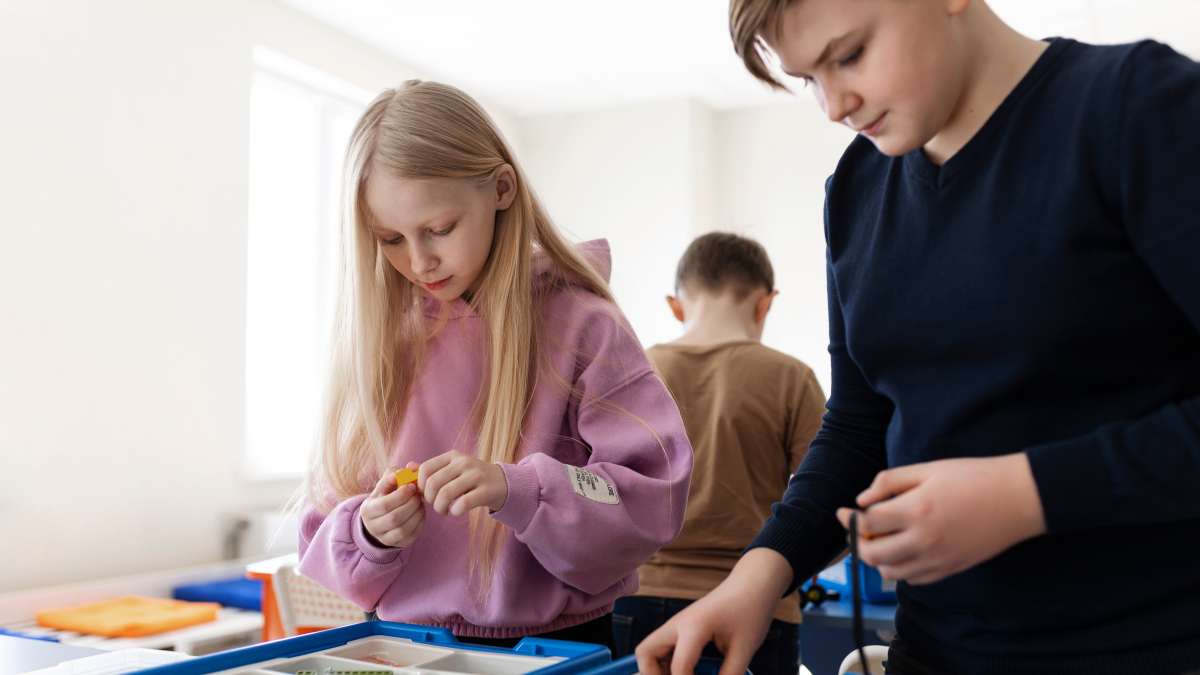
How can professional guidance improve the success of physical project learning?
Professional consultants and educational organizations can offer tailored coaching, curriculum design assistance, and resource recommendations specific to hands-on learning. Their expertise helps educators navigate challenges like aligning projects with standards and managing diverse learner needs. External facilitators can model effective project strategies and provide feedback to improve practice. This guidance accelerates adoption and quality of physical project work across varied educational settings.
For those interested in exploring how architecture and design thinking can enhance project learning, reviewing resources on critical thinking through design activities can provide practical insights and examples.
What benefits come from curriculum design support?
Specialists can help schools develop lesson plans and project sequences that are age-appropriate and connected to academic targets. This reduces uncertainty for teachers and creates coherent learning pathways. Involving professionals in the planning phase also ensures projects are feasible with available resources and timelines. Thoughtful curriculum design anticipates challenges and provides adaptable solutions.
As a result, educators feel more equipped and motivated to implement physical projects confidently and consistently, improving learning experiences for students.
How does coaching influence teacher effectiveness?
Ongoing coaching provides personalized feedback on classroom execution of physical projects. Coaches observe sessions, identify areas for refinement, and suggest techniques for managing materials and student engagement. This support builds teacher skill and resilience. It also encourages reflection and experimentation to optimize project outcomes.
Coaching establishes a collaborative professional culture where educators share successes and challenges, leading to sustained improvements in hands-on teaching practices.
What role do external programs play in supporting project learning?
Community organizations and enrichment providers offer specialized programs that schools may not have capacity to run independently. These programs bring expert instructors, unique materials, and novel projects that broaden student exposure. Collaboration between schools and external partners extends opportunities for hands-on learning beyond the classroom. Such partnerships can also facilitate resource sharing and professional development for educators.
For parents and educators looking to connect children with enriching project experiences, exploring options like creative STEAM programs with funded support might be a practical step.
If you want to discuss how to implement physical projects effectively in your educational context, feel free to reach out to us through our contact page for personalized guidance.
Frequently Asked Questions
Why is physical project-based learning beneficial for elementary students?
Physical projects help children develop fine motor skills, spatial awareness, and problem-solving abilities by engaging them directly with materials. These activities also encourage creativity and collaboration, which are crucial for overall cognitive and social development in early education.
How can hands-on projects be incorporated when schedules are tight?
Short, focused activities that relate directly to curriculum goals can be integrated in small chunks of time. Planning projects over multiple sessions and collaborating with other educators to share resources makes hands-on learning more manageable within busy schedules.
What materials are essential for starting physical projects?
Basic supplies like paper, scissors, glue, recycled materials, building blocks, and simple craft tools provide a foundation for many hands-on projects. Schools and families can gradually add more specialized materials based on specific project goals and available resources.
How can teachers get support to implement project-based learning?
Professional development workshops, coaching, and curriculum resources focused on hands-on pedagogy offer valuable guidance. Connecting with organizations experienced in project-based learning can provide additional support and ideas.
Can group projects improve social skills in addition to academic learning?
Yes, collaborative projects require communication, cooperation, and conflict resolution, fostering important social-emotional skills alongside cognitive development. Working together on physical tasks helps build teamwork and interpersonal understanding among children.
To summarize, integrating physical project-based learning offers many benefits but requires addressing practical challenges with thoughtful strategies and support. Interested educators and parents can find detailed approaches and program options by exploring resources on digital storytelling and creative narratives that complement hands-on work.