Professionals and parents often face the challenge of providing children with summer activities that are both engaging and educationally valuable. Many programs offer entertainment but fall short in fostering skills related to creativity, spatial thinking, and collaboration, which are essential for a child’s growth. Even in Miami, where options exist, finding a summer camp that blends hands-on building experience with an introduction to architecture is difficult. These limitations can leave parents uncertain about how to best enrich their children’s summer months while supporting developmental goals.
Understanding these challenges, offering a clear look at what practical solutions involve helps. arKIDect’s summer camp in Miami stands out by focusing on architectural model making and construction activities that develop critical thinking and creative expression. From my experience working directly with children in these settings, I see architecture education as a valuable framework that combines playful learning with real-world skills. This article outlines five engaging projects children build at arKIDect’s summer camp and explains why parents appreciate the educational depth and collaborative nature of these experiences.
Key Points Worth Understanding
- Children develop spatial reasoning through hands-on building projects that reflect real architecture principles.
- Collaborating on design challenges enhances communication and social skills crucial for group work.
- Physical model making balances digital learning by grounding abstract ideas in tactile experiences.
- Sustainability concepts are introduced alongside construction, inviting environmental awareness.
- Guidance from experienced instructors ensures that each child’s creative thinking grows meaningfully.
What are the common difficulties in finding meaningful summer camps for kids in Miami?
Parents often look for summer programs in Miami that provide more than just supervision or recreation. However, many camps focus primarily on entertainment, missing opportunities for critical cognitive development. Finding offerings that combine hands-on activities with deep learning remains a significant obstacle. The result is a limited landscape where enriching summer experiences that emphasize architecture or design thinking are rare.
Why do traditional summer camps fall short in developing creative skills?
Many summer camps rely on generic crafts, sports, or games that entertain but do not sufficiently challenge a child’s imagination or problem-solving abilities. The absence of project-based activities focused on spatial and design thinking means children miss chances to connect creativity with logical reasoning. Programs often lack structured guidance that links activities to clear developmental outcomes. This can make it difficult for parents to see lasting educational value beyond the summer.
Another issue is that many camps do not provide a collaborative environment that mimics real-world teamwork. Social learning skills can be underdeveloped when activities focus on individual amusement rather than group projects. Children benefit when camps encourage sharing ideas and negotiating solutions, especially in creative contexts like architecture. Without this, camps may seem less enriching or relevant to a child’s broader growth.
How do local educational gaps affect access to quality camps in Miami?
The greater Miami area has a diverse population with varied access to resources. Quality educational summer camps with specialized curricula like architecture-based learning can be concentrated in certain neighborhoods, limiting accessibility for some families. Additionally, information about available programs may not always reach all parents effectively, causing uneven awareness. Financial considerations and scheduling conflicts also play a role in who can participate in these learning experiences.
Because the concept of architecture as an educational tool is relatively new in afterschool and summer enrichment options, many parents and educators remain unfamiliar with its benefits. This lack of familiarity contributes to hesitation or undervaluing of camps that integrate building and design. Raising public understanding about how creative architecture projects support overall development is an ongoing need in Miami’s educational community.
What are the main barriers for companies offering architecture-focused summer camps?
Organizations aiming to provide architecture-based learning face challenges in balancing curriculum design with hands-on engagement. Creating developmentally appropriate projects that appeal to different age groups requires experience and resources. Companies must also invest in trained instructors who can guide children safely through model building while fostering critical thinking. These constraints can limit the scale and frequency of specialized camps.
Marketing these niche programs effectively is another hurdle. Many parents search for camps based on well-known themes such as sports or arts but may overlook architecture camps if the value proposition is not clearly communicated. Additionally, competition with generic camps and entertainment options can make it hard to attract consistent enrollment. Sustainability of such programs depends on addressing these structural barriers thoughtfully.
Why does the focus on building real things matter in a summer camp setting?
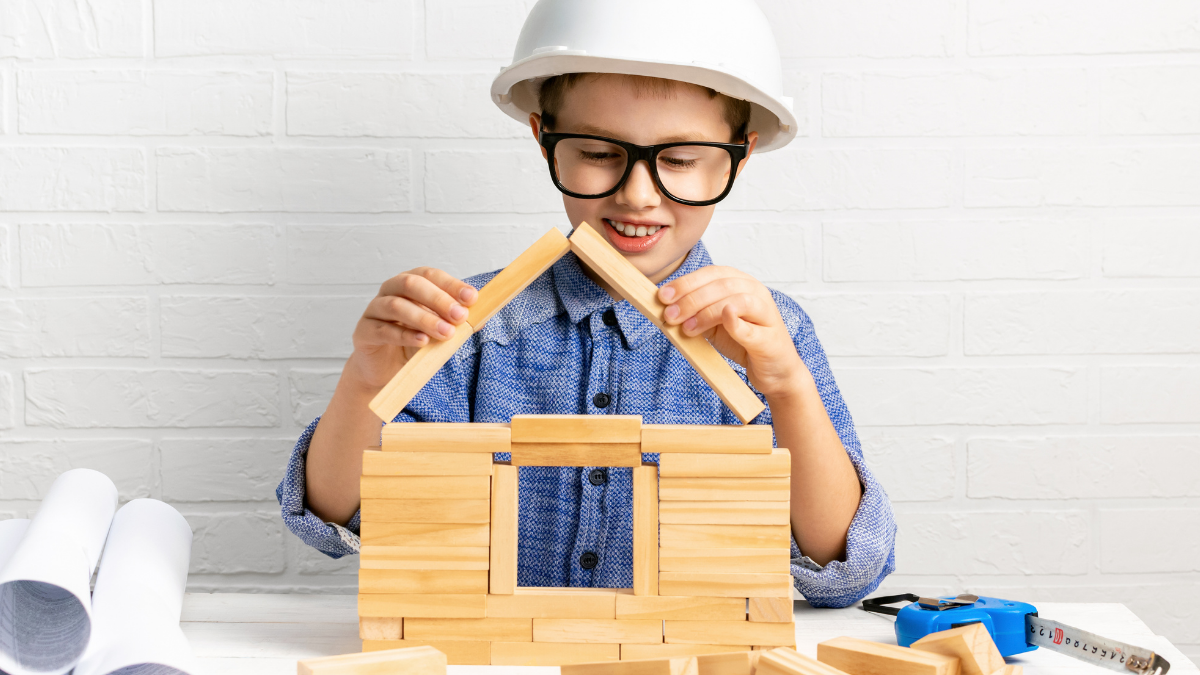
The act of constructing tangible models provides children with a concrete way to understand abstract architectural concepts. This physical engagement supports deeper learning compared to passive observation or screen-based instruction. Children learn through trial and error, which helps develop resilience and problem-solving skills. Moreover, participating in group builds fosters teamwork and communication, essential social skills far beyond summer camp.
How do hands-on activities improve children’s spatial and design skills?
Using physical materials such as cardboard, foam, or recycled objects allows children to visualize and manipulate shapes, volumes, and structures. This kinesthetic learning activates different cognitive pathways, making it easier to grasp spatial relationships and proportions. Repeated practice with these projects improves mental rotation skills and prepares learners for more advanced design challenges seen in school or creative pursuits.
Such activities also make the design process visibly iterative. Children experience firsthand that adjustments and refinements are normal parts of creating something meaningful. This practical lesson on persistence is hard to replicate through lecture or worksheets alone. Building physical models connects theory with action, strengthening comprehension.
What role does collaboration play in construction projects at summer camp?
Building together invites children to share ideas, divide tasks, and negotiate decisions. These social interactions are natural contexts for practicing active listening and respectful communication. In a well-facilitated camp environment, children learn to appreciate diverse viewpoints and build consensus. The collaborative process mirrors situations they will encounter in school and future careers.
Further, working as part of a team increases motivation and engagement. Children often feel proud of collective achievements, which reinforces a positive association with learning. The ability to contribute unique skills and support peers enriches their confidence and social maturity.
How does making sustainable building projects encourage environmental awareness?
Introducing sustainability concepts through camp projects sensitizes children to the impact of design choices on the environment. Simple lessons on reusing materials or considering energy efficiency encourage thoughtful decision-making. These practices link architectural creativity with real-world responsibility, making learning relevant and purposeful.
By addressing ecological topics in a hands-on way, children internalize ideas beyond abstract environmental education. They develop a mindset that values resourcefulness and care for surroundings. These early experiences can shape attitudes toward sustainability that persist through adolescence and adulthood.
What are five specific types of projects kids build at arKIDect’s Miami summer camp?
At arKIDect’s summer camp, projects are carefully designed to balance creativity, skill development, and fun. One example is the construction of miniature community layouts, where children plan and build a small neighborhood using cardboard, exploring spatial organization and urban design principles. Another project guides kids through bridge building challenges that teach structural stability and balance.
Miniature community layouts to explore spatial planning
Children collaborate to design a small-scale neighborhood, arranging buildings, roads, and green spaces. This hands-on task introduces elements of zoning and functional space usage in a playful format. Kids practice scaling dimensions and consider how people interact with environments. It includes discussions about accessibility and public spaces, bringing real urban concerns into their creative process.
These layouts evolve over multiple days, allowing children to rebuild and improve ideas. The project integrates drawing and model making, linking conceptual thinking with tangible outcomes. Camp instructors facilitate by encouraging questions and highlighting design trade-offs, enhancing critical reflection.
Bridge building challenges for understanding structures
Using craft sticks, string, and glue, campers work on building bridges that hold varying weights. This activity highlights principles of tension, compression, and support. Children test their designs to see what makes a structure strong or weak, learning from failure in a constructive way. Problem-solving is central as they iterate and improve their bridges.
The bridge challenge combines science with creativity, making abstract engineering concepts accessible. It also introduces measurement basics and material properties. By presenting the challenge as a game, children stay engaged while honing analytical skills.
Sustainable project models using recycled materials
In this project, campers use collected recyclable objects such as boxes and bottles to create architectural models emphasizing eco-friendly design. The focus is on resourcefulness and connecting environmental values with design choices. Discussions on reducing waste accompany the building process.
Children learn that sustainability can be creatively expressed rather than limiting. This project fosters an awareness of the environment’s fragility alongside their capacity to contribute positively. The tactile aspect also reinforces the value of reusing materials.
How do parents see the benefits of their children’s experiences at arKIDect summer camp?
Parents frequently observe that their children return more curious and confident after attending arKIDect’s summer sessions. They appreciate the balance of playful engagement with meaningful learning objectives. The camp’s project-based structure allows kids to showcase tangible results, which provides parents with visible evidence of growth. This transparency reassures families that summer time is well spent.
Increased creative confidence and independence
Parents notice children expressing pride in their constructions and ideas. This confidence often carries over into other academic or social areas. Having opportunities to make decisions and lead parts of projects supports independence. Children become more willing to try new challenges, knowing they have guidance and room for experimentation.
The camp’s safe and supportive environment enables kids to take risks and learn from mistakes without fear. This nurtures a growth mindset that parents value highly. Rather than relying solely on adult direction, children learn to trust their creative instincts.
Improved communication and teamwork skills
Family feedback often highlights that children talk about their camp projects with enthusiasm, describing cooperation with peers. Observing their children negotiate roles and solve conflicts positively reassures parents about social development. Such experiences can be especially beneficial for kids who are typically shy or struggle with group interactions.
Learning to listen carefully and express ideas clearly during project work strengthens communication skills beyond the classroom. Parents see these gains as foundational for future academic collaboration and relationships. These social benefits add important value to the overall camp experience.
Meaningful exposure to STEAM and design thinking
Parents understand that summer is a chance to deepen learning in areas related to science, technology, engineering, art, and math (STEAM). arKIDect’s approach integrates these subjects naturally through engaging activities. This practical exposure helps children make connections that might be missing in more segmented school lessons.
For those interested in supporting potential future interests in architecture or design, parents appreciate how camp projects provide early hands-on experience. They see it as a foundation for developing skills that combine creativity, analysis, and technical understanding. This alignment with educational and career pathways increases parental support for the program.
What can families and educators do to enhance children’s architecture learning outside of camp?
Families seeking to extend the benefits of summer camp can incorporate simple, creative building activities at home using recycled materials or model kits. Encouraging children to observe and ask questions about their built environment builds curiosity. Schools and afterschool programs can also adopt project-based learning approaches that integrate spatial reasoning and visual problem solving. Such consistent reinforcement supports skill retention.
Creating at-home projects to strengthen concepts
Parents can offer children opportunities to design and build small models or dioramas inspired by favorite places or imagination. These hands-on tasks develop motor skills and allow for creative experimentation without rigid expectations. Supporting these projects with open-ended questions nurtures reflection and analytical thinking.
For example, building simple structures with household objects can simulate lessons in balance and weight distribution. Discussing what makes a design stable encourages scientific observation. Flexibility and accessible materials keep activities enjoyable and stress-free.
Encouraging outdoor exploration of architecture
Exploring local buildings, parks, and urban design invites children to connect camp learning with real-world observation. Asking kids to notice shapes, materials, and layouts contextualizes their model making. Caregivers might prompt reflections on how spaces are used and why certain design choices matter.
Field trips or neighborhood walks offer natural occasions for such discovery. Documenting findings through sketches or photos extends visual literacy skills. This practice helps children recognize design principles beyond the classroom environment.
Integrating design thinking in everyday learning
Introducing children to the broader concept of design thinking—for example, identifying problems and brainstorming solutions—encourages a thoughtful mindset. Parents and educators can facilitate simple challenges that invite ideation, prototyping, and evaluation. This reflection process enhances critical thinking applicable across subjects.
Activities like redesigning a room layout or imagining new playground equipment connect creativity with purpose. Encouraging children to share their ideas and receive feedback supports communication skills. These steps form a bridge between casual play and structured learning.
How does arKIDect’s professional guidance support children’s development during summer camp?
arKIDect’s experienced instructors provide valuable support by carefully scaffolding projects to suit different ages and skill levels. Their role includes recommending appropriate materials, fostering safe collaboration, and posing questions that provoke deeper thinking. This expert facilitation differentiates structured camps from casual building play, adding educational richness. As a result, children gain confidence in their design and problem-solving capabilities.
Expert supervision that balances freedom and structure
Instructors monitor the work process while allowing children freedom to explore creative solutions. They intervene to guide rather than direct, ensuring children remain challenged but not frustrated. This balance encourages ownership of ideas and builds persistence through manageable setbacks.
Teaching assistants help maintain a supportive environment, promoting inclusion and positive peer interaction. Adults also ensure safety standards during use of tools and materials, giving parents peace of mind. The presence of knowledgeable staff enables meaningful learning to flourish within a joyful atmosphere.
Curriculum design grounded in developmental appropriateness
arKIDect’s camp curriculum is intentionally designed to match cognitive and motor skill levels for various age groups. Projects build sequentially in complexity, allowing children to develop mastery at a comfortable pace. This progression supports steady growth in abilities without overwhelming young learners.
The curriculum incorporates visual arts, engineering basics, and environmental education in an integrated manner. Combining these disciplines fosters holistic understanding. The tangible outcomes of projects make abstract concepts more accessible and memorable.
Building long-term skills through reflective practice
Throughout the camp, children are encouraged to reflect on their design choices and processes. Instructors prompt discussion on what worked well and what could be improved. This reflection fosters metacognition and design thinking skills essential for future academic success.
The focus on documenting and sharing ideas supports communication and critical assessment abilities. Children learn to articulate concepts clearly and appreciate iterative learning. Over time, these habits prepare them for more advanced projects and collaborative work.
For families interested in further details on how to support their child’s development through architecture education, connecting with arKIDect’s knowledgeable team can provide personalized guidance and program information. Contact arKIDect to explore how summer camp opportunities align with your child’s interests and growth.
Frequently Asked Questions
What age groups does arKIDect’s summer camp serve?
arKIDect’s summer camp welcomes children primarily between ages 7 and 14. The program is structured to cater to beginning and intermediate skill levels within this range, offering differentiated projects appropriate for development stages. Younger participants are guided closely, while older campers can take on more complex challenges.
Where in Miami are arKIDect’s summer camps located?
The summer camps take place in accessible locations around Miami, including areas like Sunny Isles Beach. These settings provide safe, well-equipped spaces for hands-on learning. Location details and schedules are available through arKIDect’s website to assist families in finding convenient participation options.
Are the summer camp classes group-based or individual?
Classes at arKIDect’s summer camps are primarily group-based to foster collaboration and peer learning. Small group sizes ensure personalized attention from instructors while encouraging teamwork during projects. This format supports social skill development alongside individual creativity.
What kinds of design and construction projects will my child complete at camp?
Children engage in projects like miniature community layouts, bridge building, and sustainability-focused models. These activities integrate concepts from architecture, engineering, and environmental science to develop spatial reasoning and creative problem solving. Projects result in tangible models that campers can share and discuss.
How do these summer camp activities support STEAM learning?
The summer camp curriculum deliberately combines elements of science, technology, engineering, art, and math (STEAM) through hands-on design challenges. Activities stimulate critical and creative thinking while teaching basic engineering and environmental principles in an accessible way. This interdisciplinary approach strengthens skills useful in school and beyond.
For additional details about program offerings and enrollment procedures, visiting arKIDect’s contact page can help families connect with staff and clarify any questions about summer camp and related architecture classes.