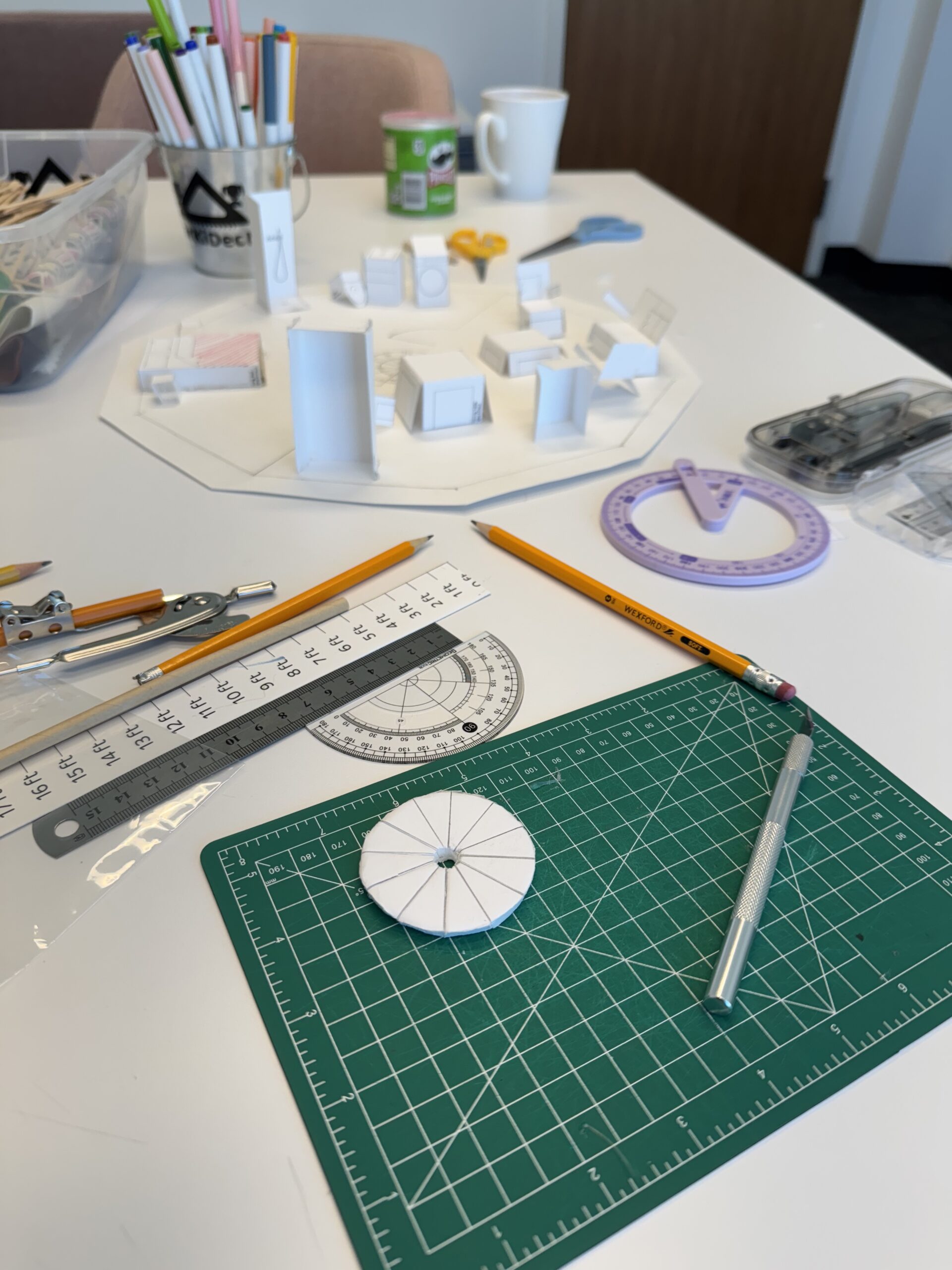
Many professionals in arts education and audition preparation recognize a persistent difficulty: children aiming to succeed in the DASH audition process often struggle to develop the critical thinking and design assessment skills judges expect. Aspiring young artists frequently face challenges in understanding how to evaluate their work beyond surface aesthetics, impacting their ability to present and refine their projects effectively. These issues are compounded by the abstract nature of design concepts and the limited opportunities to practice judgment skills in typical classroom settings. For families and educators in Miami and surrounding areas, finding programs that simulate the audition environment while fostering these thinking abilities is an ongoing quest. Incorporating thoughtful design challenges into learning can bridge this gap, as seen in successful models that align closely with DASH audition criteria through hands-on, project-based approaches focused on composition and spatial reasoning.
At arKIDect, we frame design challenges not only as creative exercises but as structured opportunities for children to cultivate the evaluative mindset used by DASH audition judges. This approach provides clarity on what these professionals seek and offers a practical, accessible way for kids to engage deeply with design principles. Through targeted activities that combine creativity with critical analysis, we help learners build skills that extend beyond audition preparation and into broader areas of problem solving and visual thinking. From my experience working with children preparing for DASH, I see these challenges as vital for helping them understand project strengths and areas for improvement, making the criteria more approachable and the process less intimidating.
Key Points Worth Understanding
- Children often lack structured opportunities to think like design judges during art and audition preparation.
- Design challenges that mimic DASH criteria help bridge the gap between creation and critical evaluation.
- Understanding how to assess work using clear standards improves children’s confidence and project quality.
- Hands-on project engagement coupled with reflective questions deepens learning and skill retention.
- Professional guidance can align practice with real-world audition expectations effectively.
What are the common challenges in preparing kids for DASH audition assessments?
Many children find it difficult to internalize the criteria that DASH audition judges use when reviewing portfolios and drawings. Without this insight, their projects may miss the elements that stand out or demonstrate the depth judges seek. The complexity of spatial reasoning, composition, and design intent can seem overwhelming, and conventional art classes often do not emphasize these evaluation skills explicitly. This leaves young learners uncertain about how to self-critique or respond to feedback, which is essential for growth and success in competitive audition contexts.
Why do children struggle to understand evaluative criteria?
A key reason children struggle is that evaluative criteria are often communicated in abstract terms or professional jargon that feels inaccessible. Educators and parents may find it hard to translate these standards into age-appropriate language, resulting in a disconnect between what judges look for and what children practice. Moreover, without guided opportunities to apply criteria actively, children rarely develop the habit of critically examining their own work. This creates a cycle where feedback is passive rather than formative, limiting the potential for improvement and deeper comprehension.
For instance, when a child completes a design project but cannot articulate why certain compositional choices were made or how spatial relationships contribute to the overall effect, the thinking process remains surface-level. This gap hinders the reflective skills crucial for DASH auditions, where judges evaluate both creativity and concept clarity. Developing these meta-cognitive skills requires deliberate practice and supportive feedback loops that many traditional settings do not provide.
How does anxiety affect children facing DASH auditions?
Performance anxiety can be significant for young artists preparing for auditions like DASH, particularly when they feel unsure about how their work will be judged. The lack of familiarity with judging standards often contributes to stress, as children may focus on perceived flaws without understanding the broader strengths of their portfolio. This anxiety can interfere with their ability to present ideas clearly and respond constructively to critique.
Stress around auditions also tends to narrow attention, limiting children’s openness to experimentation and risk-taking—qualities that DASH judges value. When preparation doesn’t include coping strategies or simulated judgment experiences, children may approach auditions with hesitation rather than confidence. Educators who understand this dynamic can scaffold experiences to reduce anxiety by building familiarity with evaluation processes in a low-stakes environment.
What role do parents and educators play in addressing these challenges?
Parents and educators serve as key facilitators in helping children decode audition expectations and practice critical assessment skills. They can provide encouragement and structure, translating professional standards into manageable learning goals suited to each child’s developmental level. However, without clear tools and frameworks, many adults feel uncertain about how best to support this process effectively.
Additionally, communication between home and learning settings is vital to reinforce consistent messages about design quality and evaluation. Encouraging children to talk through their project decisions, ask questions, and reflect on feedback nurtures an evaluative mindset. This support needs to be informed by both knowledge of professional criteria and practical approaches that engage children meaningfully.
Why do the problems in audition preparation and design thinking persist among young learners?
These challenges persist largely because audition preparation programs and general art education often operate separately, leaving children without integrated opportunities to develop design thinking aligned specifically with DASH assessment protocols. Curricula may focus heavily on skill acquisition or creative expression independently, rather than fostering the reflective and analytical skills that connect the two. This fragmentation results in uneven preparation.
What systemic gaps contribute to this ongoing issue?
One systemic factor is the limited availability of specialized instruction that bridges creative practice and critical evaluation tailored for young DASH candidates. Many programs focus mainly on technique or portfolio assembly but overlook the importance of teaching how judges assess work critically. There is also a gap in teacher training focusing on architecture-based design thinking as a lens through which children can learn to analyze their work effectively.
Furthermore, constraints such as class size, scheduling, and resource availability often limit the depth to which educators can engage students in reflective evaluation exercises. Without dedicated time and materials to explore these layers, children miss structured chances to develop the skills necessary to think like audition judges.
How does the complexity of design thinking affect sustained mastery?
Design thinking is an iterative process involving understanding problems, experimenting with solutions, and evaluating outcomes. For children, mastering this complexity requires repeated, scaffolded practice over time. Without ongoing guidance that connects projects explicitly to evaluation criteria, learners may build habits of creation without critical reflection, which impedes progress.
This is particularly evident when learners move from basic ideas to more sophisticated design challenges that require nuanced judgment. The mental effort involved in balancing creativity and analytical thinking can be daunting. Hence, without structured repetition and professional support aligned with audition standards, these skills often develop unevenly or too slowly for some students.
Why are isolated skill drills insufficient for DASH preparation?
Traditional skill drills focused solely on drawing technique or manual dexterity may improve specific capabilities but do not cultivate the holistic thinking judges expect. DASH auditions assess not only technical skill but also design intent, composition quality, spatial awareness, and the ability to communicate ideas clearly. Isolated practice often fails to bring these elements together in an integrated manner.
Without contextualized challenges that simulate real auditing conditions, children struggle to see how individual skills serve bigger design goals. Consequently, their portfolios may look polished but lack coherence or depth in concept development, which are essential for positive evaluation by DASH judges.
What does practical support for thinking like DASH audition judges look like in learning environments?
Effective support combines hands-on design challenges with guided reflection centered on DASH judging criteria. This means structuring projects to encourage children to consider composition, spatial reasoning, and clarity of communication while creating. Age-appropriate discussion prompts and feedback sessions help learners internalize evaluative standards and apply them independently.
How do design challenges enhance critical thinking skills?
By engaging children in design challenges that mirror audition requirements, learning environments provide authentic contexts for meaningfully applying critical thinking processes. These challenges require students to solve problems, prioritize elements, and justify choices, mirroring the judgment calls made by DASH audition panels. For example, tasks focusing on composition balance or spatial organization prompt children to evaluate how different parts of their work interact rather than treating components separately.
Beyond simply creating, students learn to analyze strengths and areas for improvement, making design thinking a dynamic part of the process. This iterative practice builds confidence and competence more effectively than passive instruction on judging criteria.
What role does feedback play in practical support?
Feedback acts as a bridge between student effort and professional expectations. When delivered constructively and based on DASH standards, feedback guides children’s reflection and adjustment of design decisions. It should be specific, highlighting how well a project meets composition, spatial reasoning, and communication goals, and it should invite students to think critically about next steps.
Regular opportunities for peer review and instructor critique develop habits of open, analytical discussion, essential for internalizing how judges assess work. This cyclical interaction between doing, reflecting, and revising echoes professional creative processes, preparing students for real audition experiences.
How can project-based learning be structured to simulate audition conditions?
Project-based learning that integrates clear objectives aligned with audition criteria creates simulations that prepare children effectively. For instance, timed challenges that require quick yet thoughtful decisions develop skills in balancing creativity and constraint, a key aspect of DASH auditions. Presenting work to panels or in group critiques mimics real audition settings and fosters confidence in public presentation.
Moreover, incorporating materials and tasks that reflect the style and complexity of DASH projects familiarizes students with expectations. Using architectural design principles or spatial composition exercises related to audition themes provides relevant context and meaningful practice.
What realistic steps can parents and educators take to support children in thinking like DASH judges?
Parents and educators can start by introducing clear, age-appropriate explanations of what DASH judges look for in portfolios and drawings. By breaking down criteria into understandable parts such as balance, proportion, and idea clarity, adults make these concepts more accessible. Encouraging children to use simple checklists during project reviews supports independent evaluation habits.
How can adults foster a reflective mindset at home or in class?
Adults can model reflective questioning such as “What do you think works well in your design?” or “How could you make your composition clearer?” These prompts encourage children to think beyond aesthetics and consider function and communication. Setting aside time specifically for reflection, separate from creation, reinforces its importance within the design process.
In classroom or afterschool settings, educators can integrate group discussions where students articulate their choices and receive feedback. This practice normalizes reflective thinking and helps students hear different perspectives, enriching their understanding of standards applied by DASH judges.
What resources and activities can support preparation efforts?
Utilizing design challenges that align with audition goals provides tangible ways for children to practice critical evaluation. Activities like spatial composition exercises, model making, and design revision based on peer input mirror the skills needed for DASH. Supplementing these with access to reference materials or example portfolios clarifies expectations.
Parents seeking structured programs may consider specialized classes that focus on these elements explicitly, combining coaching on design thinking with practical applications. This approach reduces ambiguity and fosters steady skill development mapped to audition demands.
How does expert guidance from arKIDect enhance children’s readiness for DASH auditions?
arKIDect offers targeted support through design challenges specifically developed to cultivate the thinking skills DASH judges value. These challenges are crafted to help children understand the criteria and practice applying them in projects that build portfolio strength. The inclusion of composition and spatial thinking exercises strengthens the foundation for successful audition presentations, as explored in detail in arKIDect’s learning frameworks focused on spatial reasoning techniques.
What unique perspectives do arKIDect instructors bring to the learning experience?
Instructors at arKIDect draw on extensive classroom experience and architectural thinking to guide children through the evaluative process used by DASH judges. Their approach emphasizes understanding design as a thinking framework, helping children not only create but also critique their work thoughtfully. This dual focus supports deeper learning and preparing candidates with confidence.
By facilitating hands-on projects and reflective discussions, instructors help students grasp the reasoning behind judge expectations. This clarity reduces intimidation and improves performance outcomes by making abstract concepts approachable.
How do arKIDect design challenges connect to real audition practices?
arKIDect design challenges simulate key aspects of the DASH audition process, from conceptual planning to portfolio presentation. Children engage in projects that require planning spatial layouts, balancing elements, and presenting rationale, mirroring audition tasks. This alignment ensures practice translates into meaningful readiness rather than generalized art skills.
Repetitive exposure to these challenges, paired with expert feedback, builds proficiency and self-assessment habits essential for audition success. The program’s structure encourages continual refinement, fostering resilience and adaptability critical in competitive creative environments.

How does arKIDect support families navigating DASH audition preparation?
Beyond instruction, arKIDect provides families with clear explanations of audition criteria and practical tools to support learning at home. This guidance helps parents understand what their children are developing and how to reinforce skills effectively. arKIDect also facilitates communication between educators and families to coordinate consistent learning experiences.
For those interested in further information or assistance, arKIDect maintains an accessible contact point where questions about programs, schedules, and personalized support can be addressed promptly through direct communication. This connection enhances the partnership necessary for thorough audition preparation.
When combined, these elements form a comprehensive approach to helping children think like DASH audition judges by focusing on design challenges tailored to their developmental needs and audition requirements.
To explore additional strategies related to developing spatial thinking and composition skills for DASH auditions, consider reviewing specific content on composition and spatial thinking techniques. For practical tips on reinforcing a portfolio through model-making projects, resources on model-making development offer useful insights. Finally, if you want to understand the coordination of creative learning opportunities beyond standard classrooms, information on expanded learning environments and support can be helpful.
Frequently Asked Questions
What age groups does arKIDect serve for DASH audition preparation?
arKIDect serves a range of young learners typically from elementary through middle school ages, focusing on developmentally appropriate design challenges that build the specific skills needed for DASH auditions.
Where are arKIDect’s classes held for students preparing for DASH audits?
Classes are offered in locations accessible to families in Miami and Sunny Isles Beach, providing convenient options for in-person engagement with programs focused on DASH audition readiness.
Are the design challenges suitable for beginners interested in DASH?
Yes, arKIDect designs its challenges to be beginner-friendly, introducing foundational concepts clearly before progressing to more complex tasks, ensuring all students can develop confidence and competence progressively.
What kinds of skills do children develop in these design challenges?
Children build critical skills including composition, spatial reasoning, creative problem solving, and analytical thinking aligned with the expectations of DASH audition judges, which contribute to more effective portfolio presentations.
Do arKIDect programs offer group classes or private sessions for DASH preparation?
arKIDect provides primarily group-based classes that encourage peer learning and collaborative critique, while also offering options for more focused guidance when individual attention is beneficial for the child’s growth.