Many education professionals and program developers find that fostering genuine curiosity in children can be difficult, especially within conventional curriculum structures. Standardized learning often leaves little room for exploration or questions, which limits opportunities for children to engage creatively with their environment. Without deliberate frameworks that invite inquiry, it is common for learners to become passive consumers of information rather than active explorers of ideas. A well-known struggle involves balancing curriculum demands with allowing time and space for open-ended investigation, which is a challenge seen across schools and learning organizations. Developing children’s natural curiosity requires more than occasional encouragement—it calls for thoughtful integration into project-based learning activities that motivate meaningful engagement. In this context, educators need strategies that drive inquiry while supporting clear learning goals, a topic also discussed in approaches related to leadership and teamwork within creative projects.
Understanding why curiosity often wanes in structured learning environments is fundamental to addressing this issue effectively. A key factor lies in the limited opportunities for children to pose and explore ‘what if?’ questions, which are central to creative thinking. When learners are confined to predetermined steps or outcomes, their impulse to experiment or wonder is stifled. Additionally, time pressures and rigid assessment standards reinforce a focus on correct answers rather than exploration. As a result, this environment can hinder the development of critical problem-solving skills. From my experience working with children, I think creating learning spaces where questions are the starting point delivers a more lasting and authentic investment in learning. This perspective shapes how project-based methods can be structured to encourage curiosity naturally.
Key Points Worth Understanding
- Curiosity thrives when learners are invited to ask open-ended questions without fear of being wrong.
- Project-based learning offers a natural context for encouraging creative exploration and problem-solving.
- Balancing curriculum goals with inquiry requires flexible planning and responsive facilitation.
- Encouraging ‘what if?’ thinking supports deeper engagement and helps develop critical thinking skills.
- Professional guidance can help educators design projects that integrate curiosity effectively into learning objectives.
What challenges limit creative curiosity in educational settings?
Many teachers and program developers face pervasive challenges in cultivating curiosity within their groups, despite recognizing its importance. The organizational focus on achieving measurable outcomes sometimes restricts experimentation or deviating from lesson plans. Children may feel their questions are unwelcome or irrelevant if the environment emphasizes speed or accuracy over exploration. Furthermore, educators themselves may lack training or support on how to incorporate curiosity-driven elements meaningfully. These conditions create barriers to nurturing an inquisitive mindset systematically.
How do rigid curriculums affect student questioning?
Curriculums with strict timelines and defined content often leave minimal flexibility for digression or inquiry-based activities. When teachers feel pressured to cover material quickly, time for open exploration gets squeezed out. Students internalize that asking questions outside of the set agenda is less valued, discouraging their natural curiosity. Over time, this conditioning can make learners hesitant to pursue their own lines of thought, getting accustomed to passive reception of information. This systemic constraint is a major factor in diminishing creative questioning in classrooms.
In many educational systems, assessment methods reinforce this tendency by focusing on standardized testing and right or wrong answers. The consequence is a classroom culture where creative curiosity loses ground to performance on tests. Without institutional support for inquiry-driven learning, educators often feel limited in how much ‘what if?’ thinking they can encourage. This situation illustrates why curricular rigidity and testing frameworks remain significant obstacles.
Why do educators sometimes struggle to integrate curiosity?
Even well-intentioned educators can find integrating open-ended inquiry challenging, especially without adequate preparation or resources. Incorporating curiosity-driven activities typically requires a shift in teaching approach, moving away from lecture or rote methods toward facilitation of student-led exploration. This shift demands not only time but also skills in managing unpredictability and guiding reflection. Some educators may also worry about classroom management or meeting administrative expectations while allowing more freedom to learners.
Another common difficulty is finding developmentally appropriate ways to encourage curiosity without causing frustration or overload. Supporting inquiry effectively means balancing guidance with autonomy, which can take experience and thoughtful planning. Without training or peer support focused on these skills, teachers may hesitate to change their practice. Professional development opportunities focused on inquiry-based learning are therefore vital for overcoming these challenges.
How do social and cultural factors influence curiosity?
Social dynamics and cultural expectations can affect how children express curiosity and how adults respond to it. In some communities or classrooms, children may be taught to respect authority by not questioning adults or established knowledge, which may inhibit spontaneous questioning. Language barriers and differences in communication styles can also impact how curiosity is displayed or encouraged. Additionally, expectations around gender or personality may shape which students feel comfortable engaging in exploratory behaviors publicly.
Such factors highlight the need for culturally responsive teaching practices that acknowledge diverse ways of expressing curiosity. Creating inclusive spaces where all learners feel safe to ask ‘what if?’ questions supports broader participation. Awareness of these influences helps educators recognize and address limitations to curiosity that extend beyond individual willingness to inquire.
What does effective encouragement of curiosity through projects look like?
Projects that successfully promote curiosity often share common features: they start with an open question or challenge, invite learners to generate ideas without immediate judgment, and provide hands-on opportunities to test and revise concepts. Such projects focus on the process as much as the product, emphasizing discovery and reflection. When designed thoughtfully, these activities engage children in meaningful exploration that connects with their own interests and experiences.
How do open-ended questions drive project engagement?
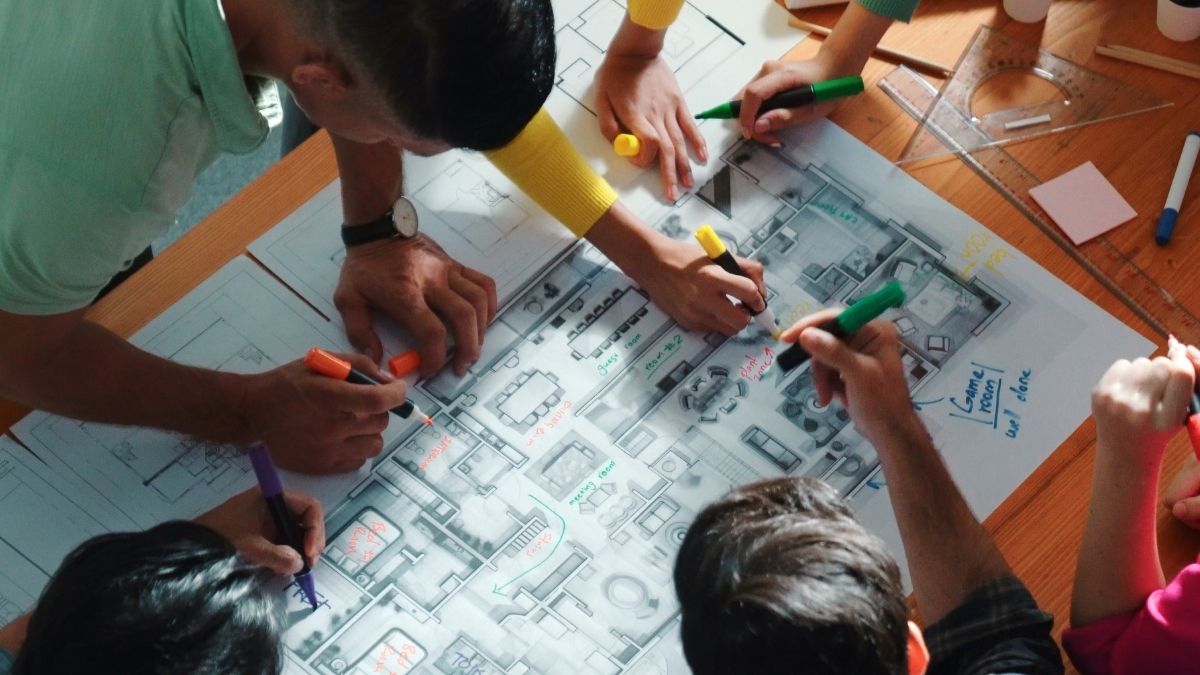
Beginning a project with a question like ‘What if we redesigned this space to serve a community need?’ or ‘What if this object could do something unexpected?’ invites learners to think beyond existing assumptions. These questions are neither too broad to be overwhelming nor too narrow to limit creativity. They create cognitive space for divergent thinking, encouraging multiple ideas and approaches. This questioning technique models curiosity and helps learners feel ownership over their investigations.
Examples from classroom practice show children enthusiastically pursuing diverse solutions to such prompts, often surprising educators with their originality. These moments demonstrate the power of framing projects with thought-provoking questions that ignite inquiry naturally.
Why is hands-on experimentation important in curiosity-driven learning?
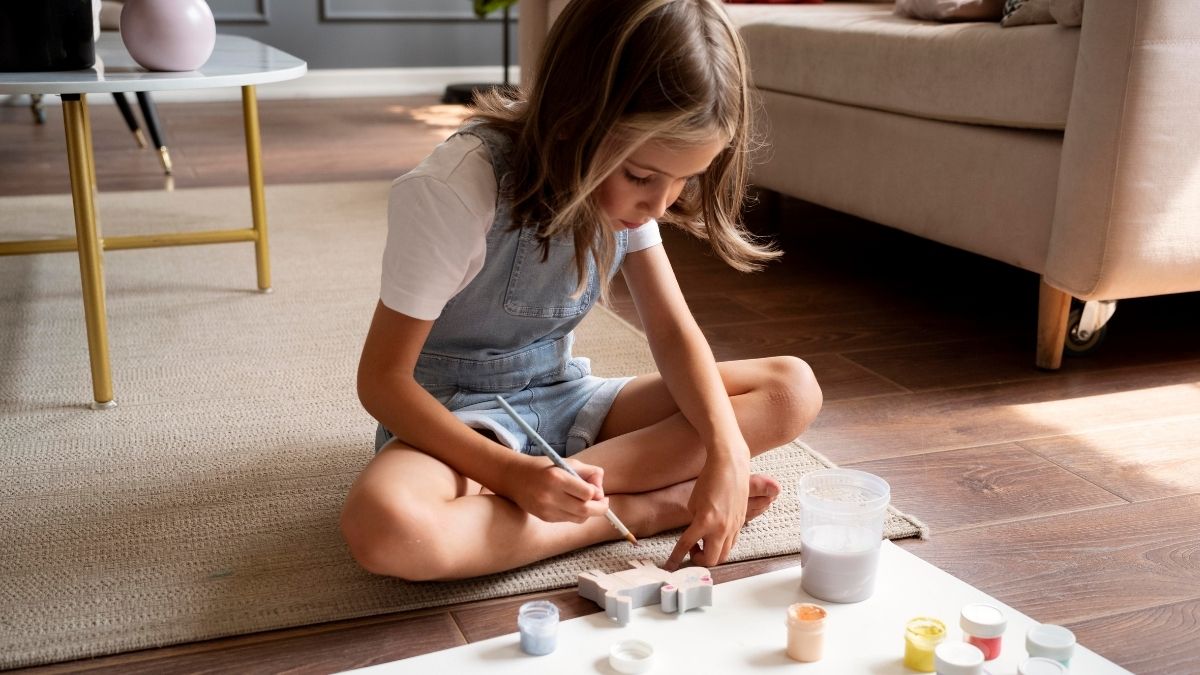
Tangible, hands-on activities allow learners to test their ‘what if?’ questions directly, making abstract ideas concrete. Physical manipulation of materials or building models enhances engagement by providing immediate feedback and opportunities for iteration. This cycle of trying, observing, and adjusting deepens understanding and sustains motivation. Such embodied learning experiences complement cognitive processes, supporting development of spatial reasoning and problem-solving skills.
For example, children working on a design challenge may build prototypes, observe effects, and refine their models based on outcomes. These iterative steps mirror real-world creative processes and foster a mindset where questions lead to investigation rather than static answers.
How can reflection support deeper curiosity?
Reflecting on the process and outcomes of a project encourages learners to consider what worked, what surprised them, and what questions remain. This metacognitive step strengthens connections between ideas and builds awareness of their own thinking. Encouraging journal entries, group discussions, or presentations provides platforms for reflection. It also reinforces the value of curiosity by showing learners that questions themselves are valuable and ongoing.
Educator prompts like ‘What did you discover today?’ or ‘What new questions do you have?’ help sustain curious thinking beyond a single project. Reflection thus becomes a vital component in embedding curiosity as a habit rather than a momentary spark.
What practical steps can educators take to foster curiosity regularly?
Introducing small but intentional changes can make a significant difference in encouraging creative curiosity through project-based learning. Planning lessons that begin with open-ended questions, allocating time for hands-on exploration, and building reflection into routines are actionable steps educators can take. Selecting flexible project themes that resonate with children’s interests increases relevance and engagement. Providing resources and materials that invite experimentation rather than prescribing exact outcomes supports autonomy.
How can lesson planning accommodate inquiry?
Rather than scripting every detail, educators can design lesson plans that outline guiding questions and possible investigation paths. This approach allows responsiveness to learner interests and emergent ideas during class. Setting clear objectives balanced with flexibility equips teachers to adapt while maintaining focus. Incorporating checkpoints for assessing learning progress along the inquiry journey assures that curriculum goals remain visible but do not overshadow exploration.
For instance, a project on community spaces might define the goal of understanding design principles while leaving the specific questions and methods open to student choice.
What role does classroom environment play in curiosity?
A supportive and safe environment is essential for children to take intellectual risks and express their questions freely. Creating physical spaces stocked with diverse materials or displays of ongoing projects signals that exploration is valued. Establishing social norms that respect questions and treat mistakes as learning opportunities helps build confidence. Educators’ own attitudes toward curiosity and willingness to model inquiry set the tone for the classroom culture.
Practices such as regular brainstorming sessions, shared idea walls, or project showcases reinforce a community of curious learners. These elements contribute to sustained curiosity by embedding it in daily classroom life.
How can technology support curiosity without overwhelming?
When integrated thoughtfully, digital tools can expand possibilities for investigation and creativity. Applications that allow digital modeling, simulations, or collaborative idea sharing can complement hands-on projects. However, it is important to avoid overreliance on technology at the expense of tactile and interpersonal experiences. Balancing screen time with physical engagement preserves diverse learning modes.
Educators can select tools that promote active learning and curiosity, such as simple design software adapted for children, while encouraging offline reflection and dialogue. This balanced use of technology serves to enhance, not replace, inquiry-focused learning.

How can seeking professional support improve curiosity-driven education?
Engaging with experienced educators or programs dedicated to inquiry-based learning provides valuable guidance in designing and implementing curiosity-centered projects. Professional development workshops, coaching, and access to researched methodologies help educators overcome uncertainties and refine their practice. Collaborations with specialists in creative education offer insights into managing challenges and sustaining student engagement. For example, connecting with organizations that focus on creative thinking and project learning can introduce fresh perspectives and proven tools, such as strategies related to critical thinking through design projects.
What benefits arise from professional development in inquiry methods?
Training focused on inquiry-based techniques builds educators’ confidence and skill sets to facilitate curiosity effectively. Such instruction often includes practical examples, adaptable frameworks, and opportunities for reflection. Educators learn to scaffold questions, encourage exploration, and integrate assessment thoughtfully. This preparation reduces hesitation and enriches classroom experiences for both teachers and learners.
Over time, regularly updated professional learning communities help maintain momentum and share best practices, creating a supportive network for sustained improvement in curiosity-driven education.
How can specialist organizations enhance project design?
Partners specializing in design thinking or architecture education bring unique approaches and resources that align with fostering curiosity. Their frameworks often emphasize user-centered problem solving, hands-on model making, and iterative design, which naturally embed ‘what if?’ questioning. Such collaborations can provide ready-to-use curricula, materials, and training suited to diverse groups. Working with these organizations also introduces learners to real-world applications of inquiry and creativity.
These partnerships expand educators’ capacity to deliver meaningful, curiosity-focused projects with practical impact. The specialized knowledge supports deeper learning and engagement for children.
How does ongoing support maintain curiosity initiatives?
Initial training and resources are helpful, but sustained success depends on continued support and adaptation. Professional guidance that includes follow-up coaching, assessment tools, and forums for sharing challenges helps educators refine their approach over time. This ongoing collaboration encourages problem-solving around inevitable obstacles and promotes innovative thinking. Maintaining a curiosity-friendly learning culture benefits from dynamic input and shared commitment among educators.
Access to contact points, such as through direct communication with experienced program leaders, ensures educators can seek timely advice and resources as needed to keep curiosity-driven learning thriving.
In sum, nurturing curiosity through project-based learning requires addressing structural and cultural challenges, employing flexible and inquiry-centered strategies, and accessing professional support tailored to creative education. Such efforts result in learning environments where children actively engage, question, and develop skills that support lifelong learning.
For educators interested in exploring how to integrate curiosity effectively into their practice, connecting with resources on coordinating creative teams and engaging critical thinking can provide helpful next steps.
Frequently Asked Questions
Why is curiosity important in project-based learning?
Curiosity motivates learners to explore beyond surface knowledge, deepening understanding and fostering creative problem-solving. In project-based learning, it drives students to experiment, ask questions, and seek new solutions rather than simply follow instructions.
How can educators create space for ‘what if?’ questions in structured lessons?
Teachers can introduce open-ended prompts, allocate time for brainstorming, and encourage multiple approaches to problems. Balancing curriculum requirements with moments of exploration helps integrate ‘what if?’ thinking into lessons without sacrificing learning goals.
What challenges might children face when encouraged to explore creatively?
Some learners may feel uncertain without clear guidelines or fear making mistakes. Educators can support by framing experimentation as a positive process and providing appropriate scaffolding to build confidence.
How can reflection enhance the learning experience in curiosity-driven projects?
Reflection helps learners connect experiences to concepts, recognize discoveries, and formulate new questions. It fosters metacognition, enabling students to become more aware of their own thinking and learning processes.
Where can educators find resources or support to implement curiosity-focused project design?
Professional development programs, educational organizations specializing in design thinking, and communities of practice offer practical tools and training. Reaching out to experienced providers can also provide tailored guidance and materials.